
Navigating False Summits with Ben Silton, CEO @ TrelliSense
Ben Silton built TrelliSense's laser-based methane tracking by treating every sales call and forklift shift as founder training.
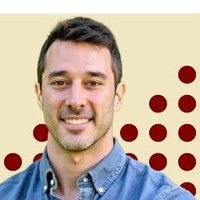
The Consulting-Startup Pendulum as a Deliberate Career Architecture
Ben Silton has cycled between consulting and startups at least twice, and he treats that rhythm as a feature rather than indecision. His framework is simple: consulting is a controlled re-entry point. It expands your problem set, expands your network, and creates optionality when a compelling startup opportunity appears. The trap, Silton found, is that consulting always ships you off a project at the moment you want to go deeper. "The more I liked a project, the harder it was to move on from that project," Silton said. That friction became diagnostic. When leaving a client engagement felt painful, it was a signal he had found the kind of problem worth owning.
The corollary to that lesson is what he calls the ownership pull of a startup. "A startup is a pain in the ass, but it's refreshing to come back to a startup and say, here are things that aren't going to get done if I don't do them," Silton said. The consulting stint before TrelliSense was the direct on-ramp to his current role, giving him both the relationship network and the pattern recognition he needed to walk into a ground-floor founding team. The framework for founders considering this path: use consulting as reconnaissance, not as a resting place.
What Getting Forklift Certified Taught Silton About CEO Behavior
Roughly ten years before TrelliSense, Silton was at Divert, a food waste and renewable energy startup, where he scaled the analytics and operations team from 7 to approximately 100 people over five years. Early in that tenure, he was running a pilot with a large Pacific Northwest grocery chain, personally hauling and cleaning bins of food waste. He got forklift certified. The CEO of Divert was out at the site at night too, mopping up food waste runoff.
That image became a permanent reference point for what competent CEO behavior looks like at the zero-to-one stage. The lesson Silton drew was not motivational. It was structural: there are tasks that will not get done unless a founder does them, and a CEO who ranks tasks by title rather than by necessity will leave gaps that compound. The forklift certification is a literal data point, but the underlying principle is that early-stage founders earn credibility with customers and teams by demonstrating that no task is beneath them. Silton carries that posture into how he runs TrelliSense today, which sells laser-based methane emissions monitoring technology into oil and gas, agriculture, and landfills, all industries where operators respect technical and operational fluency over polished pitch decks.
Selling Into Risk-Averse Buyers: The Video Call Discipline Framework
Silton's second formative experience came from observing a consulting partner selling into utilities during 2020 and 2021, when video calls replaced all in-person enterprise sales. Utilities are structurally risk-averse buyers, and the shift to video removed many of the ambient social cues that salespeople typically use to read a room and adjust in real time.
What Silton observed was a discipline of purposeful sequencing. Every call started with a defined Point A and a defined Point B, and the partner held the thread across the full meeting regardless of distractions or tech interruptions. The lesson was not about charm or persuasion. It was about preparation architecture: knowing in advance what outcome you need from a given meeting and structuring every question and response to move toward that outcome within the available time. Silton now applies this directly to TrelliSense, which sells a technically complex monitoring product to operators who are skeptical of new emissions technology. In that context, an unfocused discovery call is not just a missed opportunity; it can permanently close a door inside a risk-averse organization that only grants one meeting.
The practical takeaway Silton offers: treat each video call with a customer as a finite resource with a specific conversion target, not an open-ended relationship conversation.
TrelliSense's Waste Reduction Thesis Across Food, Methane, and Landfills
Silton describes his career arc as an accidental but coherent through line in waste reduction. His undergraduate research examined economic damages from air pollutant emissions. His first major startup role was at Divert, reducing food waste. His current company, TrelliSense, builds laser-based methane emissions tracking for oil and gas operations, agriculture, and landfills. The three verticals are connected by a single analytical lens: waste carries both an economic cost and an environmental cost, and those two costs point toward the same solution.
For TrelliSense specifically, this framing matters commercially. Methane is not just a greenhouse gas; it is a product that oil and gas operators lose money when it escapes. Landfill operators face regulatory pressure on emissions. Agricultural operators face increasing scrutiny on livestock methane. Silton positions TrelliSense's laser-based detection technology at the intersection of regulatory compliance and operational loss recovery, which gives the company two distinct purchase rationales depending on which buyer concern is more immediate. That dual framing is a go-to-market asset in an industry where selling on environmental benefit alone rarely closes deals.
Frameworks from this conversation
- The Consulting-Startup Pendulum: Reconnaissance Before Ownership
- Forklift Certification as CEO Credibility: No Task Below Title
- Point A to Point B: Purposeful Sequencing in Risk-Averse Enterprise Sales
- Dual-Cost Waste Framing: Economic Loss and Environmental Burden as One Argument
Full transcript Click any timestamp to jump to that moment in the video.
-
Today on the show is Ben Silton, CEO and co-founder of Trellisense. Trellisense is a company that is developing a laserbased methane emissions tracking technology that they're applying to oil and gas agriculture and landfills. Before Trellisense, Ben spent time hopping between startup industry, consulting industry, advisory roles, uh like we speak about a little bit. Uh one
-
of my favorite stories of his is being at Divert, a renewable energy and food waste company where he scaled the uh analytics and operations team uh from 7 to about 100 in his uh 5-year span. In the conversation, we get into uh not only his personal journey, but also uh tactics and playbooks about how to go
-
from absolute zero to.5 to one to 1.5. Uh selling into tough industries, complex industries such as oil and gas, such as uh utilities, and uh how getting forklift certified uh informs how he runs 12 sense today. Uh thank you as always to our partners uh Clean Techch Growth Lab. If you're looking to grow as
-
a clean tech company, you want to work with them. Uh and if you're looking to grow in any other industry, it's Craz Friends, the producer of this podcast. And now for Ben. Ben, are you still with me? I am. You uh was there for a second. I think the uh advertising gods didn't
-
want me to hear that one, but I think I'm back with you. Yeah. Yeah. Well, this is awesome. Uh I was just telling Ben how excited I am uh for this episode. Uh I'll spare the details of how we met of uh how we went over um his experience. It it really resonated with a lot of my interests as
-
far as uh um you know, bringing uh ideas that are valuable in climate tech and clean tech into the world. Uh but before we get into the rest of it, uh Ben, if you could give a brief introduction of yourself and what you're building.
-
Sure. Yeah. And yeah, first of all, thanks for having me on, Blake. It's great to meet you couple months ago. I'm glad we're finally able to line this up and excited to chitchat and see where this conversation goes. So, um, you know, as a a brief intro to myself, um, a numbers nerd, my background, um, my
-
real my career has kind of been consulting and then startup and then consulting and then startup. Um so I obviously very different uh roles working in consulting versus working in a startup and in both startups I've been in have been you know essentially ground floor um you know singledigit uh number of FTEEs upon joining and uh yeah all of
-
it you know does roll up into climate somehow. also you know all the consulting was you know energy utilities or um you know kind of environmental economics um and then both the startups I've worked in now actually kind of been reducing waste um you know formerly at a startup reducing food waste and now a
-
startup reducing essentially gous waste and methane waste um so it's there's a yeah I just kind of fell in love with waste reduction as both an economic problem and an environmental problem and it just kind of makes a lot of sense to me to keep pushing on it because there's also no shortage of ways to go around.
-
Um, so there's kind of always always more work to do there. So yeah, happy to dive in deeper anyway. So before we get into uh Trell Sense and your current solution and and the methane waste that you're speaking to, I'm curious, you personally did you wake up when you were 3 years old and say, I can't wait to
-
start a company, you know, be an entrepreneur. Like at what point was uh this lifestyle something that you knew you wanted to do? Uh, I mean, I I still had dreams of playing in the NBA a lot older than I care to admit. Um, dream sort of died a lot earlier than it did. But, you know,
-
I even when I was in college and and facing graduation, I I still wondered about what I would do. when I I remember interviewing for finance jobs, like one interview in part in particular, talking to a woman, reading my resume and asking me questions. And at one point in the interview, she just put my resume down
-
on the table and said, "If money was no object, what would you do? Like, would you be here?" And I was like, "I don't think so." And the interview was over and I stopped applying for finance jobs. And it was just like that moment that I do. And it that sort of prompted me to
-
just think a little bit more about, you know, I'm jumping into a career. I'm I'm about to spend the next 30, 40 years on something. I might as well care about it. What are the things that I care about the most? And I I remember like locking myself in my house and like
-
laying on the floor for what was probably more than an hour and just saying and just thinking about, you know, what can I see myself doing? what do I care about? Um what makes the most sense to me in terms of things that have to be done in the world because there are ways to make
-
money doing anything. You just have to go find them. Um it was really just there in that moment I decided what I cared about and and I had seen enough uh case studies, success stories, role models who had done well working in reducing you know the environmental burden that our daily practice and
-
economics place on the world and um I yeah just kind of decided that's what I wanted to do and um I think it's too hard to be restrictive about where within you know what we might call the broad umbrella umbrella of sustainability.
-
I I should work and want to work. Um there's a lot of different ways to attack that problem and there's a lot of other problems in the world too. But I knew what I wanted to do was had to be in some way directly or indirectly in support of a more sustainable world. And
-
I've you know I have also been lucky to find that. I think it was like anyone a combination of active pursuit plus you know dumb luck you know getting jobs and meeting the right people and um finding opportunities along the way. So I you know I have been both thoughtfully and lucky about staying in the space.
-
Well that went right into my next question. I was curious if um you know in a similar way if this idea of sustainability uh the environment this you know this this sector this space has always been um something that uh you that you were interested and passionate about and for a brief moment. Thank you
-
to that interviewer who asked you that question who uh indirectly created this moment. But yeah, has it always has it always been sustainability, the environment? Um or did that happen at some point too? Oh yeah, always. I mean it's um yeah, I would say the more I got into it, the more passionate I became. I think the
-
more I cool believed that both believed and also understood just the myriad ways that anybody's career can uh improve sustainability in their own whether it's their own life, their own community's life, the the way of the world. Um you know it's um you can you can make a company that's totally unrelated more
-
sustainable. you can go into a, you know, sustainability focused company and just make it 1% better. There's a lot of sort of ways to to attack the problem. And you know coming into the working world as a you know brighteyed 22-year-old who didn't know anything uh it it sort of you know the the
-
portrait of the world you know started filling in in front of me as I you know did more work listened to more podcasts read more books um and just kind of learned both the scale but but also the diversity of the problem. Um, yeah, I think it it I fell more in love
-
with it as I learned more about both the nature and the urgency and the diversity of the problem. Yeah. So, uh, have have you, so I know titles, but by title, I guess, you know, this would be an easy question to answer, but have have there been other roles that you've held um, in the past
-
that are similar to what you're doing now with Trellisense, or is this completely different? Um yeah, I mean, yeah, there's there's definitely similarities to all my past roles. I I I draw on like in today's role, I draw on both knowledge and networks and expertise, you know, from from previous roles. Um it's it's
-
actually sort of an interesting combination of all of them. what I am doing now. Um I've definitely you know on any given day I'll draw from skills and expertise from certain pockets of my career but I honestly I mean even go back to research I did in undergrad on the economic damages due to air pollutant emissions
-
and and now I'm leading a methane emissions monitoring company. It it's kind of a funny um you know sort of through line through all of it learning about how the EPA works when I was first in consulting and working in food waste and we we do a lot of work now in landfills that throw sense. So I feel
-
right at home walking into a landfill you know throwing my boots on and um my my previous consulting role before this actually is kind of what led me to sense. Sure. Um and so it's yeah it's it's there really kind of is a winding strain through all of that.
-
Yeah. So what is is there I guess in in all the things you've done let's say are there two and you can choose any of them are there two specific experiences that have uh significantly impacted how you've uh how you decide to navigate uh leading trellisense two experiences um excellent question I I gee one would be
-
a lot easier but let me See if I can do this. Okay. So, I think the first Oh, it's always one at a time. Yeah. Startup lesson number one right there. So, I I think the first story probably like what comes to mind is um working at um the food waste startup um
-
probably about 10 years ago now, maybe even to the most. Um I I was at a a startup called Divert and we were working with a large grocery chain in the Pacific Northwest run essentially running a pilot simulating what would it be like you know to work with us. And so we were taking these
-
bins full of food waste and um you know disposing of it and bringing the bins back to the stores to fill them up. And um you know then this was like raw like we did it ourselves. I got forklift certified to do this and my sort of like the CEO of a business at the time was
-
out there too and I remember working with him at night at the site dumping these bins and cleaning them and like watching him you know mop up the juice of food waste that was like you go home and you shower that's the first thing you do after this and he was the CEO of
-
this business and he just didn't even think twice about doing what had to be done dude to tilt serve this customer, get the business to grow, I think. But I'll always remember that vision of like there are people who want to be a CEO and you know sit on the throne and you
-
know make the big sale and go in and it's like you I think the successful CEOs were the ones who just like really get into the um nitty-gritty but like the day-to-day and they're just they're not above any task because they know that everything has to be done and there's it's not an option. And I think
-
that was a really good lesson for me, you know, as a 25-year-old seeing that um you just have to do what you have to do, no matter what your title is. I think that the second the second experience that comes to mind is in in my previous role in consulting working hand inand with one of the
-
partners of the business um who was a an amazing guy and just also like really great salesperson the wrong word but just like a really good question asker and he he ended up bringing in you know the majority of revenue into the business and it was all virtual You know, like this was early 2020 is a
-
few years ago. Everybody was conducting business over video call. It's not something that people were really used to doing, you know, 2021, 2022. And we'd go into these calls with like relatively senior people at utilities, which are relatively riskaverse companies, and just observing him being so focused all the way through the call. This was
-
another lesson from a a friend of mine that a leader of his sales team would say, you get the meeting, you prepare for and I he told that to me sort of as I was sort of going through some of these sales calls where I just fortunately I got to observe the partner of this
-
business in these sales calls with utilities and how just on task, focused, curious, like always on the point he was on these video calls when it's just naturally harder to do that. I think that was just a really good lucky experience for me to have and observe of like, you know, like it or hate it. A lot of
-
business today is down on video calls. You have to be good not just with conduct on video calls, but staying on task and knowing, okay, we're walking into this meeting with point A, like where is point B and how do I use the 29 minutes I have or 23 if you're talking Vilton and he has tech issues. How do I
-
get to point B at the end of this call so that we can right stay on our sort of, you know, track towards whatever project we want to build with this customer. Um, so I I I think if I were to draw similarities between those two, sorry they were probably longer stories than you guys were asking, but all of it
-
is just like what do I have to do to earn this customer's business? And then once I have it, how do we deliver it? All right. Well, I'm glad we did two instead of one because those two those two are awesome.
-
Very different. Yeah. Yeah. No, but but they're but they're both um uh seriously important things uh at least in my in my opinion running companies to to to keep in mind and they're and they're easy things to have slip as well. So they're good reminders.
-
Um so you you had mentioned that your uh your involvement with Trellisense had started uh you know in one of these like um um pendulum swings from consulting back into the startup space. So, can you talk about how what that journey was like, how you got um doing what you're doing now?
-
Yeah, definitely. I mean I like I like you I a lot of people um talk to folks coming out of undergrads you know starting their careers and they're off looking for advice and you know the ones who really want it are you know proactive and they reach out to you and say I I almost always advise like consulting
-
is a really good way to start a career and it's a great place to be in sort of career transition moments where you just sort of step back take a high level book, learn about a bunch of different problems, meet a bunch of people, engross yourself in new problems, and it it's yes, it's there's nothing like it,
-
right? You get to see different problems all the time. I have learned working in multiple consulting roles that it was tough for me to stay in though because the more I liked a project, the harder it was to move on from that project. And that move on moment always came because it was consulting, right? Like client
-
goes on to do whatever it is. And so yeah, it's just I I learned about myself like it when I fall in love with something, I want to keep working on it. I don't necessarily want to move on, you know, and it's it's one thing for your own role to evolve, but you're still
-
working on the same problem. It's another to like just close the door on something and or deliver a report to a customer and then just kind of move on. Um, so yeah, I mean in a word it's refreshing. I mean a startup is a pain in the ass, but it's refreshing to come
-
back to a startup and say like here are things that aren't going to get done if I don't do them. Because of that I have also a lot more ownership over those things and I can do them how I want to and I can work as hard or as not hard as I want and like I
-
can form myself into this as much as I want to and I want to, right? Like I when I really get into something like I find myself like anyone does like you know spending more time on it thinking more about it um trying to do it better every day in a position to receive that from you
-
at the end of the engagement uh yeah so my my previous role with um in consulting was we did a lot of like venture consulting we would call ourselves venture capital but that's the capital so like we often helped launch businesses okay in exchange for sweat equity so it I had already been working with Charles Sense
-
for a, you know, an hour or two a week. Okay. Helping them get off the ground, build a website, start customer conversations, you know, raise their first money. Sure. Um, so I was familiar with the business, knew Alex, the team is super smart, too.
-
It's like the It's like the dream combination of like super smart scientists who like know the technology really well and like need a business person to help commercialize it. And you know that's that's kind of what I knew I I wanted to do next after this consulting role. Um so it it was
-
sort of an easy transition. I had already been working with them, right? And so I sort of understood the business. I knew where they needed help. I knew even my first day with Trellisense was like, "Okay, I know the stuff I need to go do, right?" And it's um you know, like like any startup, it's
-
we need money, we need customers, right? We need to get our product out there. Yeah. Yeah. Um Yeah. So, it was um like any new role, it's always like jumping onto a moving skateboard, you know, when you're like, okay, like where does the line between what I do and you do and you know, what are the real
-
priorities for business versus priorities for me? And um there was absolutely some of that um off the bat, but there was also I knew that there I had already been working with the business, but there was so much of the fire hose left to drink from. So I I did also in the early days
-
spent a lot of time on the road conferences, you know, meeting customers, going to customer sites, asking as many questions as I could like what is your real problem and like why are you willing to pay us any dollars to help solve that? Like I I had to wrap my head all the way around that
-
in the early days. Oh, this is exciting for me because you said exactly what I love to hear, which is you take this incredibly talented, smart uh group of people that have come up with this awesome idea and you help bring the idea into the world. And so I wish we had, you know, three more hours to discuss
-
your experience with that and maybe we will in the future. But uh but so you know the the Okay. So the the way that I want to do this is first from your perspective if you could give a highlevel uh timeline between when you became full-time with Charles Sense and uh and you know you could
-
change the timeline. You could start it you know back when you first engaged with them as a consultant. But I just want an idea of when you got involved and where you're at now as far as uh the go to market commercialization side that you've been working on. You know, between those two points, how long has
-
it been? Two two and a half years. I think you can correct me. And inside of that timeline, what are the major milestones that you would say are the different phases that you've worked through? So high level and then we'll dive into Sure. Yeah. It's I let me try to draw out this the most
-
interesting point so your your readers have a more succinct listen. I mean it it's been we're coming up on two years with the business not including the sort of external great scaffolding that I was doing while in consulting.
-
Um I had sort of started I think we called me the chief operating officer. So it was just like here's all the stuff you do and call yourself what you want and y um you know there was no it wasn't like a formal you know the board voted on and stuff. It was just
-
like we need help. You want to help us? Let's go do it. Um and then in and 80 plus% of my focus in the early days was customer acquisition and and that's I I should say relationship building because that's how it always starts especially like you're selling into infrastructure heavy industries, landfills, oil and gas like
-
they don't make decisions quickly and they want data. And so a lot of it was just starting conversations, building building relationships and saying you what do we need to do before you know we're in a room talking about what a project looks like. So it was all that that's the only way to get feedback and
-
bring it back to your product development team and say here's what we need to do. Here are the metrics we need to hit. Right? Here's we're starting to realize what point B looks like. You know like let's go in this direction.
-
Forget that feature. They don't care about it. Right? It's it's bringing that feedback from target customers not necessarily actually customers because we didn't have any you know revenue when I joined and um although we were working towards our first project over time we had to raise money um so I I sort of
-
shifted more of my time to focus on fundraising building relationships with investors what do we you know what milestones do we need to hit before you consider us you know an investment worthy startup and Um I think over time I would say my involvement in product has increased. Um you know because there's a there's a natural
-
there has to be a bridge between the product development you know engineering and and scientific development function and the customers and when you're the it's like right now I am the only one of company who leads interactions with customers. I have to be the one bringing that feedback. sure back to that team and helping to
-
prioritize not just feature development but project development and everything. So um so I myself playing a little bit more of that internal role. Yeah. Um is it was was there a first was there a milestone as far as first project first investment first you know iteration of the product that was uh certain you know
-
what was there kind of a milestone last two years like that? Uh yeah, I mean handful of milestones certainly. We we launched our first like you know paid commercial project uh in July of last year. So we're we're kind of coming up on it 16ish months of no that's great of revenue and um every project is a
-
learning experience. So you know going to two and three is okay we figured this out but now we you know here's an unexpected issue whatever. So um yeah, first revenue last July and then I I think sort of the biggest milestone on the fundraising side was this uh June. So five months or
-
so ago um we closed a seed round and we had closed a preed back in the summer late summer of 2023. Um but this sort of seed round this summer was sort of the kind of first proper round that had you know gave us enough capital to get going while we had a commercial product that could actually
-
be put in the field. So, you know, kind of now we're um we have revenue and we have, you know, funds in the bank and then we we brought on a few um new team members. So, we actually had a staff of seven now, myself included, and we're um the snowballs rolling a lot
-
faster and also it's been super fun to you get, you know, but everyone on the team's an all-star like you can't be a team that's seven and a4 with someone who's not. Yeah. Right. So you it's all hands on deck all the time.
-
Like Indian Alvia uses like a tiny little baby can't tolerate five pounds of fat. Yeah. Right. An adult might you know you could be a big corporation and you have few people who aren't really contributing but if you're a tiny little baby like fat weighs you down.
-
So I feel great about the the team we have now. And so we're sort of now in execution mode um today of like building more customer relationships, launching new projects, right? and and um I don't know turning ourselves into a a faster flywheel.
-
Well, congratulations. Thank you for laying out those milestones because that's really helpful. And so uh my next question again, you know, just uh uh I'm excited for the time when it's right to go really in depth with this, but a lot of the conversations that I have with people are uh especially when they're
-
early stage when they have these ideas is going from uh the absolute zero. Like you said, you you were you were doing the early scaffolding and talking about a website. uh you know from in your opinion how would you frame uh like like you know act like you're speaking to somebody who is at the idea stage that
-
it has this idea that they want to pursue and they are at where trial sense was when you began to engage with them uh as a consultant. How would you frame the time spent between you know coming up with that idea and have feeling passionate about it and then the first project that you launched um the first
-
paid paid project just going from absolute zero to one because to me one is that that first paid paid pilot the first customer and going from absolute zero like website you know how do I allocate my time where do I you know from a go to market standpoint um how should someone think about going from
-
zero to Sure. Yeah. Um, it depends. I'm still a consultant at heart and I'll still say it depends. Um, nice. That's not true. I'm a I'm a startup guy at heart. But, uh, you can take the guy out of consulting, but not the consulting out of the guy. I I think that the um,
-
no one ever really starts from absolute zero. I mean, it's and anyone who feels like they're at zero right now listening to this, like look around. You have assets and you need to figure out how to use them, right? Whether they're your friends, your rich uncle, your you know a guy who works at a company that you in
-
the customer target industry you want to sell to. Like those are assets and figure out what they are and go use them. um you'll be surprised at how quickly those decimals start to add up and round up. I think that the, you know, you also need to be realistic about what does one really mean because
-
it the way I feel about like going from zero to one in the early days or just being in a startup in the early days, it's it's just a long series of false summits. like you'll talk to a series C founder, tens of millions of revenue, whatever, but they haven't IPOed yet. And so that
-
founder feels like they're still on this uphill climb that they haven't really made it right. And so it now, you know, but we're we're post seed. We are still very much in an uphill climb. It's maybe not as steep as it was going from zero to one, but I'm still looking up at the,
-
you know, summit of this mountain I'm on, and I'm like, that is really far away. So, it contextualizing like what one really means is important because it you're never going to feel like you got there. Um, that said, maybe let's say one is, you know, your first commercial project. You got some revenue from a
-
customer. There's a real d-risisking of your market. So let like for the sake of this conversation, let's call that one. I would recommend to any founder that they have a pretty good idea of where that number one is going to come from before they start the business.
-
Like have that relationship already. Do so much customer discovery before you incorporate your company. Try to talk to many people who can. Hey, I'm thinking about starting this business. talk to experts in the field, second degree connections. Hey, what would you do if you wanted to solve, you know, problem X, get that idea together and know your top
-
target list of customers, potentially have agreements signed with it, like we had NDA signed with eventual customers before we incorporated business. We had LOIs with customers who went away, didn't hear from them for two years, and now we're talking to them again. LOS before we incorporated the business.
-
Like there's no reason you can't do that before you're a business. Sure, signing NDA might be weird who's signing. You might have to sign yourself, but you have to do that kind of stuff to build your pipeline. Learn about these customers and then when you are building your product, you have something to
-
build to. You have to know the problem you're solving before you build your solution. Right? And it's sounds so trit, but it's honestly often hard advice even for myself to follow because you get so obsessed with your product and oh hey look what this could do. This could do this like this could solve that
-
problem. This could solve that problem. Look at all these features we could build. And you forget that like just beline the one. Find your customer willing to pay the most of anyone you talk to to solve the problem that your product most easily solves and just get there as fast as you can because that is
-
what gives you gasoline in your tank to go raise money from investors. Build a product development roadmap that you know is going to solve the problem even better. Hire people to build that product. It makes everything else easier. So, I'm I'm sure that didn't really answer your question, Blake, but hopefully that was a bunch of words out
-
of wisdom. No, there's there there's awesome stuff there. I'm really glad that you went that direction uh with it. And my followup is um for for that for that initial stage of uh I mean getting all the way to signing paperwork with somebody with no product and it's just conversation, it's just idea at that
-
point, which I think is is really great. uh advice all by something extremely difficult. Do you have any advice about how to a get in contact with those potential customers if you don't really have an idea of like the direction you're going and then also how to navigate those conversations when you don't really have a product yet?
-
It's a really good question and I I wish I had more prescriptive advice. I was actually talking to an adviser just this morning about how to start conversations when, you know, like why should anyone talk to me? Like everyone has so much noise today with all these AI bots, you know, sending you messages about things
-
that are totally unrelated. How do you sift through that noise? I think you have to start with your own network. You have to get warm intros wherever possible. Intros to intros every time you talk to somebody. Hey, who should I talk to, you know, about this the thing or this was really compelling? Like,
-
where do you recommend I go research that more? Who should I get in touch with? There's no substitute for in-person meetings. People know you're not a boss. They shake your hands. You have to go to conferences. Like, we met at a conference, right? Like, go, wasn't really conference, but it was an inerson
-
event. Go to those events, right? Show up. Give people your contact information. Hey, can we follow up and talk about this? Right? And it's like actually asking you this question because you you did that masterfully and I I think you know how do you communicate the value of something when you don't have a product?
-
I think that's the kind of thing you have to kind of build your conception of in parallel with the information you get about the problem that you need to solve. Right? So um and and understand that your product will even when you build your product like it's going to evolve and 10 years
-
down the road it might look nothing like it did at year two but you have to say okay if this is the problem we want to solve what are what is everyone else getting it wrong. Got it right? There's that great book uh steal like an artist like Austin Cleon, right? It's just like
-
just take what someone else did, do it better, do it differently, figure out what they did wrong, right? Use the the benefit of starting from scratch. You know, you're not a Titanic that has to swerve. You're a tiny little speedboat. Like, do something a little different. Build your concepts and find one or two
-
trusted people to give you feedback on that as you build it. And if it's digital, that's even easier because you can AP test that all you want, right? But if it's hardware, then you have to be a little bit more careful about like, do we really need to build this feature, right? Or is like, does it really
-
enhance the product if we did it this way or that way? Then you need to talk to like real customers to get that kind of feedback. Got it. Well, it's super again super helpful. I think uh well, thank you, I guess, for the shout out there. It's some something something in addition to
-
that I get I brought to our initial conversation that I hold to myself is the you have this this concept of false summits because really it's that that's there's so many of them when you're still trying to figure out what exactly your product is and what it does. Uh and it's it in my opinion it's impossible to
-
get to the next false summit if you don't act like the false summit that you're on even if you know that it's a false summit is the real one. like you have to go into the next conversation isn't like hey this is the product this is the solution now I'm go you know I
-
have the confidence to ask you all these all of these questions even if in the back of my mind I'm like you know this is not real or or whatever it is like there's you know there's a certain level of confidence that you need to go into these conversations with potential clients with um in addition to um to
-
like you're saying uh you know getting the warm introductions once that happens and everything like that. So, um, totally. Yeah, I couldn't couldn't agree more. So, two I mean it just kind of kind of kills me, but uh I have two last questions for you and with with Charleston at the moment um what is your
-
biggest hurdle and how is it also an opportunity? Excellent phrasing of the question. I probably the biggest hurdle is um and this might be some recency bias talking but in a lot of applications we're pursuing they essentially require that your so and we haven't even explained what I what thread lens does. So we measure
-
methane emissions using optical sensors. So it's continuous measurements. It's long distance. We use invisible lasers to do this. And we have a um sort of passive sensor as well that uses the sunlight to measure methane emissions. And we do this for um leak detection mitigation. We do this also for um measuring mitigation reduction of
-
methane emissions. Um different customers have different uses for this but the sort of practice of metam measurement is is roughly similar across sites. What we're learning in in the case of you know one example here is agriculture. If if we want to use our sensors to measure methane reductions on farms, you you have to do peer-reviewed
-
studies, right? So that that's kind of the only way to really get industry validation be written into carbon credit methodologies. That's not something you can do in a week. It's not something you can build into your product. It is something you still just have to do. And so what we have to go do now and and this is not
-
you know if you paid it's not super lucrative, right? It's it's you just have to do it and it takes months if not years to do this. Um we have to go get that validation. If now not every single project's going to require it, but sure broad industry obviously will. Um we have to go do that and and that it the
-
same is true of leak detection in oil and gas. Like there's controlled release studies that you have to participate in because people will ask show us your control release data and unless you have you know recent data and high fidelity data and you know then it's uh either the conversation ends or it's you know
-
um unlubricated shall we say. Why is that an opportunity? Um well it's if we do that in partnership with potential customers that's a good way to build a relationship right and sort of get their feedback along the way help them you know help them build the design criteria for the studies help them
-
um sort of tell the story of the measurement as well where do we want to measure what are we going to use this for? How do we tighten the confidence bands as much as possible with the data we get?
-
Um so yeah the opportunity is saying who wants to partner with us on these initial studies and sort of be with us on the ground floor and grow with us from there. Uh I think that's always an opportunity you know there's a anyone will find customers who are excited to be a first customer and those are worth
-
their weight and goals. Nice. Uh with all this work left to be done and uh this uh the significance of what you're building what inspires you? What inspires me? Um, a million things I would say. Um, I mean, I'm I'm inspired by the absolutely tireless work of the rest of my team, you know? Like, you look around
-
you and everyone's working hard and like really cares about what they're doing. Like, that's just inherently inspiring. Um, I'm inspired by my one-year-old who's making pterodactyl noises from the room next to me who um, sorry if there's background noise because of that, but yeah, I mean, I want to give him a, you know, case
-
study, role model, someone to say, you know, here's my dad did in his career. Yeah. Um it's inspiring to think about it in those terms as well when you work in sustainability of you know I'm I want him to be proud of what his dad did or does. Um so there's also two very
-
different examples but both things that give me inspiration every day for sure. Well that's wonderful Ben. This is uh thank you for the work that you're doing. I appreciate Thank you so much for your time. If there's anyone else that was inspired to follow along with your story, what's the best way to do
-
that? Yeah, thanks for asking. Um, you can check us out at threllisense.com. Um, you can email me, benthtrellisense.com. Um, usually responsive unless it looks like a bot email. Um, and yeah, we've got a LinkedIn page. Shoot us a follow there and see latest news and updates from the page because uh trying to get
-
better at keeping the public informed on our progress. So yeah, um, more followers give us more reason to do that. But um but Blake, thank you for for hosting me today and for the conversation. You got it, Ben. Well, I'm excited to stay in touch, see where you guys go.
-
Definitely uh speak more about this. I feel like we only touched surface on all of this uh uh commercialization talk. So, thank you so much and I'll be in touch. Thank you, Blake.


