
Water, Risk & Climate Capital with John Robinson, Partner @ Mazarine Climate
John Robinson, after 17 years in water and wastewater, argues the industry's biggest obstacle is that everyone already thinks they understand it.
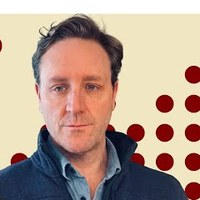
Why Water's Universality Is Its Worst Marketing Problem
John Robinson opens with a paradox that shapes everything Mazarine Climate does: water is simultaneously the most important resource on the planet and the hardest sector to get investors or customers excited about. His explanation is direct. "Everyone knows what it is. They know the right temperature. They know the taste. They've used it a few times. Like, I already know water. I'm good there," Robinson said.
This familiarity creates a perception gap. Sectors like semiconductors or autonomous vehicles carry an implicit signal that specialized knowledge is required, which draws capital and talent toward people who hold that knowledge. Water carries no such signal. The result, in Robinson's framing, is that the engineering complexity hidden behind a working faucet stays invisible until something catastrophic, a flood, a contamination event, a utility failure, forces attention.
For founders and investors working in the space, this means the first job is not technical. It is definitional. Before a solution can be sold, the buyer has to accept that a problem exists in a domain they assumed was already solved.
The Three-Market Framework for Water and Wastewater
Robinson structures the water sector into three distinct markets, a framework that drives how Mazarine evaluates and categorizes its portfolio companies.
Market A covers utilities: the sellers of water to residential and commercial customers. This market is large but slow, bureaucratic, and heavily politicized because water pricing touches on public health and equity in ways that invite regulatory friction in almost every city.
Market B covers asset owners and operators who use water to accomplish a separate primary goal. Robinson draws the boundary clearly here. Farmers are not in the water business. They are in the business of growing crops. But water is the single most important input they have. Thermal electric power plants, including coal, gas, and nuclear facilities, are similarly dependent. "You go to any power plant, they're always next to rivers. Always. Or next to the ocean," Robinson said. Households, industrial manufacturers, and data centers all fall into this category: entities for whom water is operationally essential but not the product they sell.
Market C, implied through Robinson's framing of Mazarine's second fund, covers the climate adaptation layer: companies building technology to manage water risk specifically, including both scarcity and flood exposure, as climate patterns shift those risks onto infrastructure and assets that were not designed for them.
This segmentation matters because each market has different buyers, different sales cycles, different regulatory environments, and different technology requirements. A sensor company selling to a municipal utility operates in a completely different commercial reality than one selling to a large-scale irrigated farm operation.
How Robinson Built Credibility Before He Built Revenue
Robinson's path into water investing ran through commercial real estate and then a Deloitte strategy role before he founded his consultancy. Living in China for several years exposed him to severely degraded air and water quality, which converted an abstract awareness of environmental risk into a personal and professional focus. A conversation on an airplane with a senior figure from a major engineering firm helped him see water consulting as a viable career track.
His advice for others making a similar transition away from corporate careers reflects a lesson he learned the hard way. In his early consulting days, he priced his services at what he believed they were worth before he had the track record to support those prices. Clients pushed back, and he lost engagements. His retrospective take is precise: "Get reference is more important than revenue early days. Eventually revenue becomes everything. Yeah. Or profit becomes everything but like don't over obsess with revenue in the first few months."
The practical instruction Robinson draws from this is to cut prices aggressively in the early stages, complete the work, build a reference set of five to seven engagements, and then price to value. The framework prioritizes market entry over margin optimization, with the assumption that credibility compounds in a way that early revenue does not.
Mazarine's Fund Progression: From Water Tech to Water Risk
Mazarine Climate's first fund invested in 15 early-stage companies building technology to help customers manage some aspect of water or wastewater. The portfolio included companies working on sensors, monitors, pumps, filters, membranes, and valves. By the time Robinson described the fund in this conversation, at least one company had been acquired and another had generated a liquidity event.
The second fund, launched the year prior to this recording, represents a deliberate thesis shift. Mazarine moved from water technology broadly defined toward climate adaptation viewed specifically through the lens of water risk. This reframing is significant because it repositions the fund's investment case. Rather than asking whether a technology manages water more efficiently, the second fund asks whether a technology helps an asset owner, infrastructure operator, or financial institution understand and respond to water-related climate risk, whether that risk takes the form of scarcity, flooding, or water quality degradation under changing precipitation patterns.
This evolution from operational technology to risk-oriented technology tracks a broader shift in how institutional capital is beginning to price physical climate exposure into asset valuations and insurance underwriting, creating a new buyer class for tools that Mazarine's earlier portfolio companies were not primarily targeting.
Frameworks from this conversation
- The Three-Market Water Segmentation (Utilities, Users, Risk)
- Familiarity as a Commercialization Barrier in Known Resource Sectors
- Reference Before Revenue: The Early-Stage Credibility Ladder
- Fund Thesis Evolution: Operational Tech to Climate Risk Positioning
Full transcript Click any timestamp to jump to that moment in the video.
-
Oh, today on the show we have John Robinson. John is a partner at Mazarine Climate. They are a VC firm in London that specialize in water and wastewater. Now, a question you might ask yourself is what does that mean? What does it mean to specialize in water or in wastewater?
-
That's exactly a question I had before this conversation and that is exactly what we talk about. Uh a quote from John that you you'll hear a lot is that uh it's difficult to be in the water industry because everything is the water industry. It's hard to get people excited about water because everyone
-
knows water. Very interesting uh concept about the idea of water given uh an example that John gives uh is the agricultural industry. People describe crop growing and farms and things to be within this umbrella of the agricultural industry. But the agricultural industry would be nothing without water. So are they also in the water industry? Are
-
they not? Uh from an investment, from a a technological advancement, from an evolution uh standpoint, definitions like these are very important. and uh having language to describe uh different problems uh enable society to come up with uh different solutions and then bring people more sustainable, clean uh dependable water and these types of
-
things. And so very interesting conversation uh about how to understand water as an industry and as it breaks down into different markets. Um, so if you're interested in that type of stuff, get ready cuz you're going to learn a lot. Um, thank you as always to our partners, Crazy Friends, Clean Tech Growth Lab. If you're looking to grow in
-
clean tech, you work with Clean Tech Growth Lab. If you're in any other industry, you work with the producers of this podcast, Craz Friends. And now I bring you John. Oh, welcome to another episode of The Grove. Thank you to our sponsors mentioned just before uh the start of this episode here, but without them it
-
would not be possible uh to interview awesome people doing awesome things like John. Welcome. Hey, it's great to be here, Blake. Thanks for the invitation. Oh, absolutely. So, as people uh that have been listening and previous guests know, water is one of my favorite things to talk about and uh anyone that has
-
spent any amount of time on any of your profiles know that you spent a lot of time in the area. And you actually just said something very interesting before we even uh just started this conversation. I'm excited uh to learn more about. So, for anyone that doesn't know yet, if you could give a brief
-
introduction of yourself and what you're building now. Uh, yeah. Uh, John Robinson. Um, uh, I've been in the water/wastewater industry for about 17 years. Um most of that time actually now that I'm getting deeper into the industry into into my career in the space half the time I I ran a consultancy um that was rendering advisory services
-
to um companies with technologies that manage water or waste water. Sensors, monitors, pumps, filters, membranes, valves, the equipment and technology of managing water and wastewater. advising them on strategy specifically for Asia. And then uh a few years ago I got together with some friends in the water wastewater industry and we decided to
-
form an investment group uh entirely focused on backing early stage companies inventing and bringing to market technology solutions that help their customers manage some aspect of water or waste water. Uh we invested in our fund one into 15 companies. Um all of them were were young and now they're growing. Uh one of the companies has
-
been acquired and then another company we had a liquidity event. So, we've had a couple uh interesting events in that fund. And then last year um we decided to launch a new fund um which is a slight modification of our thesis um that takes us into the climate adaptation uh world specifically through the lens
-
of of water risk. Um uh yeah, and so that's who I am. I live in London, but I'm originally from Chicago. And uh little known fact is I speak Mandarin Chinese relatively fluently, which which I also saw on your profile, which I which I think is is crazy. I mean, that takes a while to uh to
-
acquire, right? Yeah, it was fun. I lived in in China and picked up um a foundation for it and then just built on top of that and it's been been a lot of fun um being able to converse in in a foreign language fluently. So, so have have you always um there's there's a a massive theme water
-
you made the the uh you distinguish between water and wastewater which I think is very interesting but before we get to that have you always envisioned yourself in clean tech climate tech in water um 10 or or or was you know was there uh something that happened at some point where you said this is
-
I think it was living in living in China for so many years one becomes comes aware of environmental and health related pro risks relating to air and water and food. Um, not that the rest of the world doesn't have contaminated air and water and food, but China, the air pollution used to be and it
-
still is pretty pretty challenging. Um, and so anybody paying attention is going to be like this is probably not good for me and the air looks bad, but the water's probably bad too. How do I test it, monitor it?
-
Okay. And so I I became aware of the water as a health risk when I lived in China and I didn't know what to do with it. I was working in another sector uh then I was working in commercial real estate and I didn't know what to do with that insight or that passion and then it
-
was when I moved back to the US uh I was at Deote in a strategy role and I sat next to a um a senior a senior individual at a big engineering house and he really um helped me catalyze that um interest and turned it into a new career path. So I left Deote. I
-
strategized my way out of Deote's strategy group and I created my own new career within water and wastewater as a consultant. Um and I haven't looked back. Um so it really took being living in a place that had very compromised and impaired water for me to get awareness of it. And then it took uh an an
-
impromptu kind of conversation, a serendipitous conversation as to say on an airplane to really get clarity into this is actually a path I should pursue. um and then built a consultancy and then on top of the consultancy now run a a venture fund.
-
Well, so so so what is it that um is there some something I love to ask people is anything before you made that transition into running your own um running your own practice, you know, the the lifestyle of entrepreneurship, all of these things, transitioning from corporate to that headsp space. Was there anything from your career
-
beforehand that uh you found specifically uh influenced the way that you navigated? I I guess the the the first one um first project which was the consultancy. Um, I think uh me me getting on an airplane and flying to the other side of the planet and figuring things out over there.
-
Um, learning and translating challenging new world into things I could understand gave me two things. One is uh the entrepreneurial uh uh sort of toolbox to figure things out, gritty and finding finding ways to get stuff done. And then also the ability to translate the nebulous and the the foreign into something that is like easy for anybody
-
to understand toolbox. So entrepreneuring your way forward in life, figuring things out and like identifying opportunities and then the translation of um confusing into clarity were two things that I developed by going over to Asia and and living there.
-
And then when it came time to leave Deote and start my own thing, um I was able to entrepreneur myself into a new track fearlessly. Didn't mean it was easy, but like I was like, I'm going to do this. And then the first few clients um they wanted to get into China and
-
sell their wares there. It's all water and wastewater related technologies. And I was able to translate what looked like a big market and like oh there's billions of people and they're buyer things into something more bite-size that they could go after. And so translating the the confusing into clarity for clients was what they were
-
paying for. I think going over there with the CL going over there with the clients and helping them navigate the world that I had already navigated. Yeah. Was something that I could do um easier than other uh consultants cuz I had already done it and helping them do it was something I could share.
-
Yeah. Part of the reason I ask you is because I think there's a number of people that um well I mean I know a number of people personally so that means there's a lot of people I think that are in corporate environments or in steady careers that have this aspiration uh that have the drive that you did that
-
have a passion about something that matters and have the capability to uh go off on on their own and really make an impact in that in that space but um just haven't made that leap yet. And so I think stories like yours um are helpful because they they show people that it is
-
possible even if it is hard like you're saying. So uh is there any specific advice uh if you could talk to yourself or something that that um that person that you spoke to uh anything specific that you would tell yourself uh right before you made that journey?
-
Um, don't get don't get caught up on on price tag um for whatever you're selling. Get some reference. Get some experience. It it's tempting to be like, "This is valuable what I'm offering you, whether it's a product or service. This is worth $10,000.
-
You need to pay it or otherwise I'm not doing it." Um, what's more important in the early days than making money is getting some reference, getting some traction, getting a couple of them done. Even if they're for free or pro bono, go out there and say like, I've already done a couple or I've done 10. And then you get
-
deeper along, then you can start to like be pretty rigid in your pricing and be like, "This is what it costs to do this." But what the mistake I made was um sticking to my guns on pricing and I think I lost some opportunities because I was like, "Nah, this is $100,000 to do all this stuff." And the
-
guy was like, "That's too expensive." And he really don't you've never done this before except like once. And I was like, "Yeah, but it's expensive. You got to I valued my services in a way that narrowed the market demand narrowed the demand in the market down for what I was doing because I didn't
-
have the cred." And I thought I did, but I didn't. Got it. So, if I could do it over again, I would have just slashed that price in half and be like, you know, man, I'll do this for 50 50,000. And you'll be like, okay, great. And then off and running, less margin,
-
less self-worth. I'm worth more than this. Yeah. Yeah. But then over time that then you've got a track record of five or six or seven different things and then you can go out and charge what you want. I didn't know that. So I think the advice I'd give myself back then is like get reference
-
is more important than revenue early days. Eventually revenue becomes everything. Yeah. Or profit becomes everything but like don't over obsess with revenue in the first few months. That's assuming you have some cash to like make it through the first year.
-
Right. Right. You know you got some savings and if you don't have the savings and like then starting a business then it does become about like you've got to put food on the table, you got to sell. Yeah. and generate income to pay for your mortgage and your rent or your food.
-
Great. Well, I I mean I I think uh you know regardless of how you know because because you mentioned for free um you know there there's still a potential uh to make some revenue but um you know underell uh in in your own perspective.
-
Anyway, I I just think that's a great point. I appreciate you bringing that up because that's uh um that's really useful. So uh something that we mentioned a bunch already uh that I would like you to get into is can you first to lay a foundation what is the difference between uh the water industry
-
in your mind or uh in your guys's uh definition and wastewater is is is complicated because everybody on the planet knows what it is. If you say cryptocurrency or um semiconductors or autonomous vehicles, that's like foreign and confusing. I don't really know what that is. Like if you talk to my mom or a child like what is um
-
antibiotics or something like that you get technical terms that people don't know and it becomes valuable as a domain of knowledge because they don't know what it is and that means it must be hard to access. Every single human being has used water already today. They know what it is. They know the right
-
temperature. They know the taste. They've used it a few times. Like, I already know water. I'm good there. Let's get back to cryptocurrency and driver's vehicles. There's way more interesting. So, the challenge with water, I'll start with water first, is that even though it's the most important thing in the world, it is life.
-
Um, it's hard to get people's attention unless they're like there's a flood coming at them and they're running away from the flood. then obviously you get some people's attention, but um it's it's hard to to to get people excited about something that they're already an expert in. Everyone knows what it is.
-
Even kids know what water is. They know what and they know it immediately works. You put it on a plant, it grows. You put it in your body, you feel hydrated. You take a shower, you're clean. You wash the dishes, you're clean. Like water works without any engineering. But that's not true, though, because behind
-
the scenes, there's tons of engineering to get it to you and then render it. So that it it's it's an industry that is is hard to communicate because everybody already knows what it is and they want to talk about things that are more nuanced and complicated.
-
Number two, aisle six in the supermarket, Fiji water, glacier water, Perry Avenue. That's the is that the water industry? Yeah, that's water. That's the water industry. But people, no, no, that's not the water industry. That's drinking water industry. It's like ah confusion.
-
Then you've got the utility in your town and they're selling you water. That's the water industry. And so you have different water industries. That lays on another bit of complexity there. So essentially for your audience, you've got three different markets relating to water.
-
Um, you have the sellers of the stuff, utilities, and they they they have inefficiencies and risks. They need technology and tools to sell water to your house or to commercial customers. That is a massive business, but it's bureaucratic and slow and political cuz it's so politicized. Water should be free. And any city in the
-
world probably has some politics around water and raising rates and all that whole world. Let's call that market A. The rendering of water as utility for people. Number two, let's call it market B is the use uh owners and operators of of of assets that use water. Farmers, they're not selling water. They're not a utility,
-
but guess what? The most important input in farming is water. It's like the whole business. But they're not in the water industry. They're in growing peanuts and carrots and whatever business, but they need water to generate. In my home, water is used for hygiene. Water is used for health. Water is used for cooking.
-
We're not in the water business, but water is core to operating of my household. It's kind of in water even though we're not in the water business. You talk to guys in power plants, thermal electric power, coal and nuclear, gas, they will tell you in the very first sentence, the whole business of
-
generating power relies on water, cooling. It's crucial. Not solar and wind. But you go to any power plant, they're always next to rivers. Always. Or next to the ocean. And then you get into hydro power, damning up rivers, the whole business of that business.
-
So, so how do you define the industry with all So that's that's users of water to accomplish some other goal. Energy, hygiene, crops. They're using water to accomplish some other goal. So water is the most important thing in my house for hygiene.
-
Water is the most important thing powered. Water is the most important thing for farmers. And then you got fish farming and aquaculture like those crabs and shrimp and everything. It's all in. They're all they're in the using of the water business to accomplish some other goal. Traditionally, that's how you made your money in in broadly defined water
-
is sell hardware and software solutions to people and companies and organizations that are using it to accomplish something else and they have inefficiencies and risks in that whole process. Like you have a leak in your house or your dishwasher doesn't work or your water smells, your water's dirty, like you need to buy a filter, you need
-
to buy a new dishwasher. Like dishwasher and washing machine that essentially is water tech. Th those the whole business of dishwashing and washing clothes is water. But like that no one would think of that as the water industry. It's like the use of water to accomplish some other goal.
-
So that's market B. Massive market. Think about how many agriculture, think about power gen. Think about how many billions of people in the world use water to accomplish hygiene goals every day. The third and final market is the indirect ex exposure to water risk.
-
Insurance. You talk to guys who work in insurance. Guess what the number one claim globally is in the world? Not burglary, not fire, flooding, water damage, a leak on the second floor. Guess what? You can't rent out the first floor. or in my own home. A leak in the kitchen means the basement has to be remodeled,
-
paint job, the carpet, like super disruptive and expensive. Claim, claim, claim, claim, claim, claim. So, if you're insurance, you're like, whoa, I got to keep on top of this. Like, water leaks in property and then it flooding externally.
-
And then that gets into financing. All right. So, you want to borrow how many million to build what? You want to build a a a condo a right next to the river? Yeah. Yeah. It's a great place for a condo. It's like I think that river floods. It's like, nah, it doesn't flood. It floods. we're not loaning you
-
the money. So all of a sudden bankers, they're not sellers of the stuff. They're not using the stuff unless in the bank and the toilets. Obviously they're using water for flushing in the bank toilets, but like they're not using water to accomplish their lending goals.
-
Water becomes a headache for and then you got guys who are long short traders, derivatives traders. They're trying to long corn, short soy, long in a futures, derivatives, futures. Rainfall over Iowa all of a sudden matters. But what's rain water?
-
Mhm. So if it's a very dry summer, you can start to short egg futures or long futures if it's whatever you're how you're playing the futures. So that those guys aren't using water, that's selling water. They have exposure to water risk in their holdings.
-
And then you get comp companies who have manufacturing facilities around the world and like they have a straw in the ground to get groundwater to manufacture their product like like a food and beverage business or pulp and paper business or any apparel manufacturing.
-
They need sunset water. They're not in the water business. Um but they have exposure to water risk in the basin of the water should they operate in headaches. So so three different markets. So you're already like have your hand on your head. You're like I'm confused because water just means the water business. But the reason water is
-
so complicated is because you've got different water industries and then layer on top of that the wastewater side of things which is a whole different industry. Whole different industry. So in the in So you said there's there's there's three markets in water on and water in water.
-
Water. Water. Correct. So what you just said was was insurance and investment and things like that. No, no, no, no. Sellers of the stuff is market A, right? Market A. Utilities. Utilities. Market B or consumer. Market B, market B is users of the stuff.
-
Okay. And then C and market C is exposure to the stuff. Good. So, so this is how you guys uh you or at least your frame water frame your fund. Okay. Understood. Oh, we frame water and then wastewater, right? So now you can lay on you can lay on a similar a similar uh framework. So there's no
-
one's selling waste water really. It's dealing with it and managing it. the city or the utility that takes it from your toilet and from your house and from the industrial like they're dealing with it. You pay them to deal with the wastewater. So that is a utility that's rendering a service. No one's using
-
wastewater. It's just it's like I want to send it to somebody. I'll pay them to deal with it. And so the wastewater business is really like garbage collection. It's a super valuable service, but like there's no usage of the stuff and there's very little.
-
I mean, I I guess the the the risk there is that if sewage gets into the drinking water, then it's a public health and safety risk. Okay. So, you so you have a company that that that uh for example um says that they're in the wastewater industry, what does that mean? How do you make sense? Are
-
they just selling to wastewater facilities? Is that the only uh in the wastewater? So, a company that is in the wastewater business. So there's there's there's the the companies that actually own the wastewater treatment plant. Mhm. That is that is a company. They need to buy pumps and valves and pipes, chemicals and biological activity to
-
render their service for their customers. Okay. So you've got solutions providers, service providers, vendors who sell to the wastewater attribute plant and they're buying hardware like a pump and then like software to manage the operations of the plant that gets into data. Um so if someone's in the wastewater business, they are in the
-
business of selling goods and services to wastewater treatment plants and the wastewater treatment plant is selling remediation or treatment to their customers who have wastewater disease. Understood. Okay. So, so now that we have this foundation, is there anything else you'd like to add? Cuz that was that was wonderful. I really appreciate that that walk through. So, we have
-
three, you know, subsections of water, we have this uh understand this high level understanding of wastewater, you know, selling into these companies. I mean, that's one way to sort of one way to to to frame Yeah. sort of like that's the landscape that's the landscape landscape of discussion.
-
Good. Good. So, I got the landscape. So, I'm looking out. I'm looking around. So, when you guys So, you guys are in it, right? And so you've already raised the fund. You said you invested in several companies. Uh you can go anywhere you want with this um uh this question because I think we could talk for hours
-
probably about it. But I guess one of the first things that come to mind uh when I ask this question, what's happening in these industries? What's happening in water? What's what's what's something to be aware of, concerned of?
-
What's a you know a topic of conversation right now? I I I think what a few things um three things. Number one is is the um the technology breakthroughs of the last 10 or five or two years. AI has brought efficiencies to um the production of data on water. So what's in the water? How much water is
-
there? Like level of water and availability water and rainfall and then like what microbes and chemical um pollution or analytes are in the water that I'm drinking. That used to be how much water and then what's in the water used to be a very complicated expensive question to answer. You send water to a lab to see something like
-
rely on some complicated modeling to understand rainfall and ground water availability. Um the industry 4.0 Zero toolbox has brought that the cost of understanding water way way way way way down. Let's call it like almost full democratization of water quantity too much too little and water quality.
-
What's in it? That used to be an expensive question. Now it's much cheaper than it's ever been in humanity. So if people in pick your disadvantaged neighborhood are concerned with or country are concerned with flooding quantity or PAS or lead led in the water, it's never been cheaper than it is today to understand
-
the the answer to those two questions. That's number one. So the question is as an investor in a business, how are you exploiting that or how are you leveraging that to generate impact for people who can't help themselves? So it's it's the democratization of tools, software, analytics and hardware is the biggest opportunity happening in
-
the space right now. And if you were money trying to figure out how to play all water, I would look at some of the inflections going on around us and AI and remote sensing. I mean, I'll give you an example like Earth observation satellite.
-
Everyone knows what a satellite is and it takes pictures of the Earth. You get a black and white photo of your property, whatever. Like that's not new. the cost of of using high resolution synthetic aperture or just imagery or any other sort of satellite generated insights of water used to be expensive. It's now
-
become very cheap. Okay, very cheap. Maybe a farmer in the middle of like I don't know no like they're going to be hard to afford this stuff but like more of humanity now can benefit from satellite tech relating to water quantity and quality than ever they ever have before.
-
Okay. So, so that's what used what used to be expensive is now convenient and easy. That's trend number one. Gotcha. And as a fund, as a fund, we have built our thesis around that. Okay. Yeah. You said there were two more. I didn't want to cut you off. You The second one, the second one is um
-
in our house, we have a uh a a home a water filtration um device in our kitchen. Everyone kind of knows what a brida filter is or you can get something that connects to your sink or under the sink or whole home fridge filter.
-
I would think of that as health tech. Okay? Not water tech, not the water industry. The reason you filter water in your home, whether it's activated carbon or reverse osmosis, is all about health. That's it. There's no other reason to filter it. Not I mean, I guess aesthetics or whatever, but like it
-
really is health. the the residential water business in the next 5 years will transition from being plumbing and kind of dinosaur old equipment to being much more pelaton. Ah, the exercise bike, it's in the basement. You ride the exercise bike, boom, pelon comes along.
-
Mhm. Totally re reimagines the way that exercise bikes and exercise equipment work for people. So the p let's let's call it the pelatonization of drinking water in our homes. So the so the first one let's call it the quickbookization of um testing and monitoring tools to understand what's happening.
-
Second one is the pelatonization of water in the home making it easier for people to and kind of sex sexier and more sophisticated than like I got a plumber coming in to install something in my basement. So, it'd be it'd be like the rise of people being interested in in monitoring, I guess, because you're
-
saying cheap health. People are interested in health. Always have, always will be, but it's like, I don't know, water. How do I what do I So, there's there's a crop of companies coming up in the next few years that will pelatonize this to make it cool.
-
There's a company that I'm invested in in London called Skuma, S Ku Ma, that is like one of the one of the upstarts that's trying to make uh drinking water in the kitchen more of like an espresso machine, more cool, more interesting, more stylish. When people go to your kitchen, they're like, "Whoa, what is this?" It's like, yeah,
-
it's a it's a health technology. Well, I I feel like I've seen um uh at least expensive water machines happen in like corporate offices. So, well, they maybe look big and expensive, but like who knows what's going on inside there.
-
Yeah. So, but but but bringing it to the human I mean at Pelon like those things are not cheap. Yeah. Yeah. Yeah. So, I've seen expensive like stair master machines and gyms like how can I get them my home? Like Pelon comes along. So it's it's I mean the average person maybe can't afford a Pelaton but
-
like increasingly people want sophisticated exercise equipment in their homes and the cost is coming down. Cool. What's the what's the third the third and final the third and final area of of of opportunity in this whole water broadly defined thematic area is the too much water problem. flooding, sea level rise is way more problematic for humanity
-
than oh my god, we're running out of this stuff. And that's the counter counterintuitive. It's counterintuitive. The reptilian brain that we all have is like I'm running out of time. I'm running out of money. I'm running out of resources.
-
running out, running out, running out, which like over hundreds of thousands of millions of years, humans have like been honed in on like the running out of things problem because that's survival. Um, Arizona, Utah, California, yes, there is scarcity in the world and it's a problem.
-
Mhm. But if you look side by side with flooding and too much water, the the thing that will bring humanity to its knees is too much water. So is that the adaptation angle that we that you were saying?
-
That's adapting. So adapt adaptation adapting to um preparing and adjusting and dealing with too much water is something that humanity will have to come to grips with. It doesn't mean we It doesn't mean we don't have to come to grips with not enough water. If you're in Saudi Arabia or Kuwait or Kad, they
-
have to come to grips with like they just don't have enough water. So, there is a market for scarcity and and drought and there's technologies that can render that. Um whether it's atmospheric water generation or desalination of seawater, water recycling, like there is a business there.
-
I would argue as a checkbook that the too much water problem and the business investment opportunities in the too much water problem are way more compelling than the scarcity problem. And I would debate that with anyone. So let's call this third bucket the um too much water problem.
-
The too much water headache is bigger than the scarcity. The too much water problem. That seems very descriptive. I mean I think that too much water. So and and then and then it's not to pay short shift to the quality problems.
-
So there's there's the problem like the thing about like so many other industries is like they're kind of onedimensional like wind. You've got wind, you don't have wind, you got wildfires. Obviously, no fires is better than fires, right?
-
You've got wind. Like, no wind is better than too much wind. And you've got like heat, like, oh, you don't you don't want too much heat. You want just water has the problem of like it's too um it's a two-headed monster. And and one of the heads has two heads. Three heads.
-
It's quantity, the quantity head, which is too much. Mhm. That will screw you. And too little that will screw you too. And the other head is impairment polluted contaminated that screw you too. In fact, every day something like 7,000 people die every day from contaminated water globally. That's the biggest killer.
-
Um the second biggest killer is the second biggest killer is too much and the third biggest killer is not enough. Well, so to and um just ju just just quickly because I know we're coming up on time with with a with a problem like and I guess the same goes for quality, but as far as the the too much
-
water problem, I mean, who would be the uh the beneficiaries or are the the humans that whatever are benefiting from that technology, that adaptation technology? But ultimately, if if you're a company and you're developing a technology, are you just looking for government uh you know um I don't know, insurance like who who
-
Yeah, insurance. So, so a few different so a few different industries. The the first industry that has the biggest headache here is what we call linear assets. Roads, rails, pipelines. These are assets that go on for hundreds or thousands of miles. Like a hospital, a hospital has a footprint. There it is.
-
Yeah, there's some quality risk, maybe a little flooding of the hospital, but like the footprint is what it is. And you can kind of see and understand what the problems this asset has from a financing and insurance health and safety perspective. This is the hospital or this is the house. Here's the risk.
-
You get a road like a highway, it goes on for hundreds of miles. Every single mile has a slightly different risk profile or a rail line or a pipeline, whether it's gas pipeline or water pipeline. So you're going around mountains, you're going around hillsides, like like you go this side of the mountain, that side of the mountain,
-
very different risk profile for that. The water risk for linear assets is flooding, but it's also landslides and rock slides and mudslides that are triggered by massive rain events. Mhm. If it rains over a mountain side and you've got like a pipeline or a rail line or a road going in it that the the
-
rain's going to loosen up the rock and loosen up the land and you get a collapse of the hillside. Not great for the road, rail or pipeline down there because they're and if there's people down there, they die.
-
And then you got to reconnect the rail. You got to reconnect the road. You got to reconnect the pipeline. So owners and operators of linear assets are on the very front lines of the too much water problem. And additionally the insurance companies that that under Yeah. the underwrite. So yeah the owners and operators and then their
-
stakeholders which is the financing of and the insurance of. So if you're an owner pipeline or you own a rail line and you're like yeah we're worried about landslide. The insurance like I want to listen to this conversation cuz like if you're making claims like it was a landslide and now we got to re it's
-
going to be 10 million to repair this thing. The insurance company doesn't want to hear that. They want to hear that you're proactive on this stuff. Yeah. Number one linear assets are are in big trouble in the next decade because of too much water. No, they know that and they're using tools to see and understand where and how they
-
have exposure to risk. Cool. That's a technology that's a technology that will be in high demand for the rest of time. Well, um, number two, coastal infrastructure, ports, harbors, and marinas. If you own a port or you operate a port or harbor or marina, the owner of it and then the boats themselves are have their own
-
owners whether it's like a yacht or like a massive containership because of sea level rise and storm surges and problems with the ocean because of climate change. Warming ocean means more algo blooms and more a change in water chemistry which means like the scaling and fouling of your boat's going to change.
-
They have a lot to lose in the next decade. So they are looking for technologies to see and understand where and how um the ocean becomes a problem for their asset whether it's the port and the harbor itself or the assets within it the floating assets within it they have headaches and they will spend
-
a lot of money to manage that risk. Interesting. So these first two industries I talk about private sector, private sector, private sector. Yeah, there's some arenas that are publicly owned but you're always like what are the government? I mean you ask me like isn't the government those two the let's talk about power generation
-
private as well. I guess in some countries like China that's like publicly owned or whatever but like most hydro most power um power plants and rivers they suffer from the scarcity problem. Not enough snowpack in the mountains, not enough water in the river. You got to take tower two down because we can't produce enough power.
-
That's bad for the customers who rely on the power. You have brown outs and blackouts because like not enough water in the river means not enough draw for cooling which means you can't produce as much power as you're able to which means a problem for the the grid.
-
Mhm. So that's a scarcity issue. Um which is still a problem. It's just we happen to extend uh water um too much water problem. But then the last and and the probably the big one here is what we call the fire sector. finance insurance and real estate globally owners and operators of real estate and their finance insurance
-
which gets into uh coal infrastructure and linear assets as well but like we kind of separate this into like fire sector finance insurance real estate it's one big industry okay macro industry because they all are so interlin they have the need to see and understand what the risk is for x y and z asset or
-
their portfolio of things they own whether it's a small landlord like a Well, let's say I own five properties around Cleveland, Ohio. Like, I need to know the flood risk of those five properties. Or I'm a bigger player and I'm like, I own 4,000 properties around the country or I'm a resort owner or I
-
under own the land beneath all the McDonald's in New York. Like, what's my exposure? So, they need data and analytics on their exposure to flooding risk. And if it's not a flood risk, then they can go to the insurance guy and they go to the financing guy be like, "This is not risky. Look, I've got the
-
data." Um, and then it's even stuff like um, yeah, so it's it's it's finance insurance, real estate related. I I it's instead of being longwinded on this, finance insurance, real estate probably has the most at stake in the next decade related to flooding. And they will tech up and they will use 2026 tools to see and
-
understand where and how they're in trouble and then they will navigate out of that trouble once they have the data. Well, John, I I mean, I guess similar to what we've been talking about, I feel like there's too many questions that I have for the amount of time allocated for this episode at the moment. So, we
-
might have to do uh you know, a lot of these cuz I think uh a lot of what you're talking about as far as framing uh the problem, framing the industry and bringing it from this abstract thing like you were speaking to at the beginning, framing this this abstract thing, water, and making it very
-
tangible, working down the framework, working down the lines of thinking. I really appreciate that you did that. My two favorite questions to ask everybody is at the moment what is the biggest hurdle that you feel like you're facing uh you know within the fund or or anything and how is it also an
-
opportunity? The biggest challenge I have right now is as as a as a manager is deciding what what what opportunity to focus on. We have probably 25 deals on on our desk right now and they're all run by smart people who are well-intentioned and creative. Can't invest in all of them. And so narrowing
-
that down to like five, it's hard. And then narrowing the five down to like one or two even harder. So you just so the problem is separating the this is narrowing the narrowing problem and you AI is helpful but you you you never have complete data on on these companies to understand the the the
-
prospects for growth. All of these companies say they'll do well. Oh, we're going to double our sales next year. So, so you got to prioritize and you got to spend the limited hours you have every day to figure out which of the ones require me to to spend a few hours in this and which ones warrant further
-
investigation, which ones are like I just don't think it's worth their time. That's the biggest hurdle and I would say every fund manager in the world has the same problem. It's figuring out what to prioritize. And the second question was on Well, I mean, you answered it. I mean, that that is an opportunity in itself.
-
That was that's what I'd asked. The opportunity the opportunity is for for sellers of AI tools to pitch me and say we have a tool to help make that problem go away. Yeah. And so and so uh the the the final question uh with with all the work that you're doing the questions uh that you
-
know we've discussed and things curious what inspires you my children and leaving a legacy that they can be proud of. um thinking about what world they're going to inherit. And then as they come get older and they start to come up out in the world and like there's so much bad in the world and
-
there's so much like just [ __ ] in the world, pardon my French, but there there there's good and um I I want to be um a force for good. I know it sounds cliche, but I want the my career to to help um make things a little bit better than than how I found it. And again, that
-
sounds cliche. Everyone tries to say the same thing, but like I really genuinely think that one can do that if you focus on something you're passionate about and you can make some incremental improvements. And so undercutting under the bedrock of our whole fund is democratization of tools, helping more of humanity manage their water headaches. Mhm.
-
A farmer in Bangladesh or like a business owner in Baltimore, like water's coming for them. And I'll leave you with this one final metaphor. Like water our protagonist, the giver of life. Water's the planet. Our bodies are 7% water. Like water is the protagonist in our story. It's like communities were always built on water. And like the
-
early hydro power like hundreds years a few hundred years ago was always water and the navigation was water. Water was like the hero in humanity's story. Still is. But Water, the antagonist, the anti-hero, is quickly rising up on stage to disrupt our story like any antagonist does.
-
To keep water, the antagonist off stage. We've got technology. It's 2026. This isn't 1986. Human beings have created all kinds of interesting tools to manage that water the anti-hero and keep it off stage as much as possible. People have always died in floods. The Bible like just like people have always died in floods and they will probably
-
always die in floods unfortunately. I know that sounds dark but you come back a thousand years from now people will be killed by water. It's so that's a constant. Flooding is always killed, but it's getting worse because of climate change and because of like how we built cities and bad public policy and people live next to rivers and they
-
live like in like in the cement everywhere is like putting water. It's getting worse, but what's getting better and the the one step um on the the climate staircase that doesn't creek is technology enables us to manage that risk to to to to keep water the antagonist off stage.
-
Water the protagonist and water the antagonist. I mean water every but you you talk to people out of main street like water is life. Water's our most precious resource. Water is everything. Factual. Yeah. But not helpful in as a business or investment professional. Like it's like saying honesty is important. Yeah. Yeah.
-
Honesty is important. Like we need to be more honest. Yeah. Yeah. People need to be more honest. Yeah. What are you going to do with that? Oh, health. People need to be more healthy. They need to exercise more and eat better. Yeah.
-
Yeah. Yeah. People need to like water's life. Yeah. So what? Well, we need to value it more. It's like not if there's a wall of water coming at you and you're running away from a flood water. Like water's therefore is death.
-
Water's death for you. Like, well, but you know what I mean. Water's life. We're running out of it. So, it it's it's it's a it's a it's a nebulous going back conversation. It's a nebulous space that everybody already knows water, but but and so therefore, they're not that curious about it because they already
-
know what it is. and it doesn't really matter to them until they have a wall of water coming at them or or they just don't have it or it's like boiler, don't drink it and then all of a sudden it matters for a few minutes and then they go back to whatever they're
-
doing and they focus on their checkbook problem and their weight problem and their friend problem and their bank account problem and their Yeah. Yeah. All these other more immediate problems until it becomes a problem. But well, John, this has been awesome. I mean, I think I think you definitely did justice to the idea of at least, you
-
know, um, anti- villainizing or at least, you know, clearing the clearing the story of of what, you know, it's funny you say things like people know water and I think that's true. And, you know, I'm the per a person you would be speaking to. I mean, I have water next to me. I used water this morning. Like,
-
I'm alive. And you say people know water. And I feel like after this conversation, like I don't know water, you know, at the same time. It's Yeah. I I I mean I can't put it any uh uh any better than that off the top of my head, but I do feel like that's true. It's
-
like yeah, people know water, but there's a lot that people don't know about water. So, it's it's like you said, there's uh there's multiple heads with that. I I you know, I think Blake that the the problem is it's so esoteric.
-
I I'll give an example and I know you might have to like limit this down a little bit. We're a little bit over but my my next call is I just have to prep for it. But um you got it. Go for it. When it comes to water, everyone knows what energy footprint is or carbon footprint is. You
-
say that, everyone's like, "Yeah, carbon footprint. Turn the lights off and like use less fuel." Like carbon footprint. Got it. Water footprint. So, what is your water footprint in every given any given day? It's like, well, I took a shower, flushed the toilet, drank some water, washed my hands. Like, I don't know. You
-
calculate up. It's like, yeah, I use like I don't know 10 20 gallons of water in the US or liters. I use like 40 gallons of water. Like, that's only about a fifth of your water use every day. And people like shower, wash the dishes a fifth. It's like where's the rest of my water use? I didn't wash my
-
car. They're thinking direct water use. Most of your water use is actually indirect or virtual water. Like power plants use water. So if you switch on the lights and you run your you run your HVAC in your house, that's pulling water. It's pulling pulling uh power from the grid. And that power is generated by using tons and
-
tons of water. Power is a big part of your water footprint. Every time you turn a light switch, that's a water decision. But that's so abstract, right? The second thing is the second thing is um food. The second thing is food.
-
Okay. They want to be part of the conversation. They know you're saying something important. Ve vegetables don't really require a lot of water to grow, but meat requires tons of water. So every time you have a piece of meat, you're talking thousands of gallons of water to grow. It's not the cow drinking water. It's the water put
-
on the soy and the corn that the cow ate. So you eat a cheeseburger, that's about a thousand gallons of water. Yeah. You eat a steak, that's about 3,000 gallons of water. And then the cotton, it's in your bed sheets. You buy a new set of sheets, that's a 4,000gallon decision right there.
-
Yeah. So abstract. It is. This is so that people people are just thinking direct water use. So I don't expect most most people to ever really understand all the nuances water. They're going to focus on cryptocurrency and driverless cars and like their favorite sports team and their checking accounts running down like things that
-
are more immediate. I the the one message I would leave to your audience, one suggestion is test your tap water. Okay? test your tap water. And if if somebody wants to uh test their tap water, there's a company called My Tap Score.
-
My Tap Score. It's the best water testing technology company solution in the US. Mytapcore.com. Go on there, create an account, swipe your credit card, a box comes in the mail, you fill it up with your tap water, put the jar back in the this comes with the postage, you send it to a lab. About a week
-
later, you get back an email that tells you exactly what's in your water. And it scores, use an algorithm to score it one to 100. Mhm. So, you got a 95, that's really good water. you got a 65 m there's some badness in your water. So that is the if I'm just the if I'm you and I'm thinking
-
I want to get on top of my water for water usage is hard to control because it's so like the virtual water of like power and meat and all these things in my fridge. But what you can control is test your tap water that you're using for cooking and drinking. And once you find out
-
what's in it, then you can call a solutions provider, a plumber or Culligan or Brida, and be like, if you got a 97 on your water, like you probably don't need much filtration, unless you don't like the taste, but like there's nothing in the water that'll make you sick. Just keep drinking it all day long. But if you got
-
a 52, I guarantee you there's lead in that water and that will make like that will give you neurological problems. It's like you got to know. What was that what was that company called again? Mytapscore.com. myapscore.com. Cool. Well, it's not it's not it's it's not free, but like like the city the city that you're
-
buying water from, you go online, they'll be like, "Our water's compliant." It is probably at the plant, but by the time it gets to your house and up to your like there's no guarantees. Yeah. Well, if anyone was uh if anyone else is interested, you know, inspired by the conversation, is there a best way
-
to get in touch or follow along with the work that you're doing? Yeah, just find find me on LinkedIn and reach out and I'd welcome the opportunity to continue this disc discussion with anybody one-on-one. Great, John. Well, thank you so much for your time. I know you got to go. I would be very interested in continuing this.
-
So, I'm excited to do that. But, thank you. Yeah. Great. Thanks, Blake. Appreciate all the hard work you're doing in the space and spreading good good messages to to a broader audience. Well done. That's right. Just like we did today.
-
Yeah. Cool. Love it. Thanks, man.


