
Rethinking Water with Quantum Wei, Founder @ Harmony Desalting
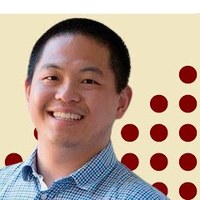
Quantum Wei built Harmony Desalting's first prototype over a year of trial and error, then validated it at a 2019 conference in New Orleans.
From Kenya to MIT: How Personal Water Scarcity Sharpened an Engineering Focus
Quantum Wei's entry into water research was shaped before he ever set foot in a laboratory. During a gap year before his undergraduate studies, Wei spent six months teaching at a high school in western Kenya, where the community relied entirely on rainwater collected in a cistern. "We never ran out of water fortunately. But the system got low at times," Wei said. That experience did not point him directly toward desalination, but it built a durable intuition about freshwater's fragility that informed his later research choices.
When Wei arrived at MIT for graduate school around 2015, he was drawn to macroscale thermal-fluids engineering over the nanoscale work dominant in other research groups. Joining Professor John Lienhard's group gave him the subject matter that matched his skills and a problem with real-world weight. The combination was deliberate. Wei had the engineering aptitude and, from Kenya, a reason to care.
Two Problems That Define Desalination: Energy and Membrane Fouling
Wei frames the desalination challenge through two distinct failure modes, and understanding both is necessary to appreciate what Harmony Desalting is attempting to solve.
The first is energy consumption. Thermal desalination, the dominant method for much of the twentieth century, requires evaporating water and condensing it again, a process Wei describes as inherently energy-intensive. Reverse osmosis (RO), which pushes water through a membrane under pressure, was developed in the 1960s and 1970s and offered roughly an order of magnitude improvement in energy use. By the early 2000s, pressure exchangers and energy recovery devices made RO substantially more efficient by recycling energy from the pressurized brine stream. These improvements, combined with better membrane materials, made RO the industry standard for large new plants. The Carlsbad desalination plant near San Diego, which opened in 2015, stands as the largest seawater desalination facility in North America and represents the state of commercial RO at scale.
The second problem is membrane fouling. Membranes separate salts effectively when clean, but they clog under real operating conditions. Wei identifies fouling as the problem many non-specialists underestimate. A membrane that works perfectly in a lab degrades in practice, and that gap between controlled performance and real-world performance is where operational costs accumulate.
These two problems together explain why desalination, despite decades of refinement, remains too expensive for many applications, particularly inland deployments where there is no ocean to receive the concentrated brine byproduct.
The Batch Process: From Model to Bench Prototype Between 2017 and 2019
Wei's direct contribution began in 2017 when he took ownership of a project on batch desalination, a variant of reverse osmosis that prior students had modeled theoretically. The model indicated that this process could be the most energy-efficient path to desalination available. Wei's task was translation: moving the idea from a computational model to a working bench-scale prototype that fit on a six-foot lab bench.
The process was slower than expected. Wei had not previously operated pumps, motors, variable frequency drives, or the associated piping and instrumentation. "I think it took me about a year," Wei said. "I wasn't starting from nothing. Basically, all the equipment was there. But it probably took me about a year to get the thing up and running and then starting to collect data."
By 2019, the prototype produced results that matched the theoretical model, validating both the prior students' work and Wei's experimental execution. Wei brought those results to the American Membrane Technology Association's annual conference in New Orleans that year. The conference mixed academic researchers with industry practitioners, and Wei encountered presentations focused on brine disposal, the expensive and often intractable problem facing inland desalination plants that cannot discharge concentrated saltwater into the ocean. Seeing startups attempt to commercialize competing approaches, and believing his process could outperform them, was the moment Wei's thinking shifted. "I remember yeah very first thing I told him," Wei said of the conversation with his adviser after returning from New Orleans, "was yeah I want to go and commercialize this."
The Inland Brine Problem as the Commercial Entry Point
Harmony Desalting's commercial framing is built around a specific pain point: inland desalination. When a plant operates far from a coastline, the brine it generates has nowhere obvious to go. Disposal is expensive. Regulators are tightening. Chemical treatment companies and process startups have been competing to reduce brine volumes, which is precisely the problem Wei watched industry address at the 2019 conference.
Wei's batch process positions Harmony at the intersection of energy efficiency and brine minimization. The theoretical advantage of the batch approach, validated by the MIT prototype's matching of its model, is that it can push water recovery rates higher than conventional continuous RO. Higher recovery means less brine per unit of clean water produced. For inland operators, that translates directly into lower disposal costs.
This framing gives Harmony a specific, quantifiable value proposition for a customer segment with a recognized and expensive problem, rather than competing on energy efficiency alone against utilities that may have lower tolerance for switching costs.
Frameworks from this conversation
- The Two-Problem Filter: Energy and Fouling as the Lens for Evaluating Desalination Technology
- Model-to-Prototype Validation: Matching Experimental Data to Theory Before Commercializing
- Inland Brine Disposal as the Commercial Wedge for Batch Desalination
- Pre-Technical Context as Engineering Motivation: Personal Scarcity Before Graduate Research
Full transcript Click any timestamp to jump to that moment in the video.
-
Oh, welcome to the Grove. Shout out to our sponsors, Crazy Friends and Clean Tech Growth Lab. Thank you for making this possible. But without them, it would not be possible to interview awesome people doing awesome things like Quantum. Welcome.
-
Thank you, Blake. Hello, everyone. That's right. So, we're here in Boston in the place that it's all happening. uh ran into a couple technical difficulties, but we're making it happen because we solve problems and that's what we do. Uh this has been an episode in the making for about seven years.
-
Not that Quantum knew that, but um uh so I'm very excited to get into your story. I think what you guys are building is uh really inspiring and really awesome um that you're deciding to uh tackle the problems you are. So, uh, for everyone that doesn't know yet, if you could give a brief introduction of yourself and
-
what you're building. Yeah, sure. Uh, well, my name is Quantum Wei. Uh, founder and CEO of Harmony Dalultting. I'm a mechanical engineer by training. Uh, grew up in Virginia, moved up to Massachusetts, uh, for school back in 2011. And uh at Harmony Dulttting, we are making water desalination more affordable, more reliable, and more
-
accessible. So, and also thanks for uh uh you know, we're sharing a mic, so this feels even more intimate as a conversation. So um I think before we get into uh harmony and um that whole journey for you, what were you doing before um before this became uh your life? Uh you said you had gone
-
into school? Is this something that spun out of the research? What were you doing uh before Harmony came uh into your life? Yeah. Um I mean so just about 10 years ago I started graduate school uh at MIT and joined a research group focused on deselination. Uh so harmony didn't really come about until 2019 2020 but
-
I'd say I feel like the question is pre- desalination potentially. Uh I guess before then I mean I was a student uh mechanical engineer. I did some work uh you know I joined the race car team at MIT. Uh I had a couple internships at Microsoft working on their Xbox thermal team. Uh did a short internship at NASA
-
Gutddard. Uh but generally I was working on heat transfer, heat and mass transfer uh fluid mechanics that that type of thing. So, so then, so then was it specifically um and had you always wanted to be an engineer and uh Oh, welcome. Got more of the team.
-
What's going on? Hey, good morning. Um, so before you got into dissalination then, uh, it seemed like you were very heavily into engineering. Is engineering something you've always wanted to do? Did you get into that at some point?
-
Uh I mean probably from pretty early on uh I'd say I mean I declared mechanical engineering as a major uh I think my freshman year at MIT. Uh back in high school we had these senior tech labs. So I was in the robotics senior tech lab.
-
Uh I always liked you know math and physics liked making things like doing things with my hands. So yeah, I'd say engineering is pretty strong part. So then, so then when it came to joining um the the research group around desalination, was there a specific decision to do desalination or was it just uh did it feel like a natural
-
progression of where you're at with your um career in engineering? like did you did you have a vision for where you wanted to go um with engineering or was it specifically delaw? What was that time of your life like?
-
Yeah, I'd say um did not have this really vision of going into desalination but I think there's sort of two parts. One was you know during my undergraduate studies you know mechan mechanical engineering is very broad. I think there I think of that decision to join uh John Lehard's group uh he was my adviser
-
really two big things one uh you mechanical engineering is very broad but I was drawn to we call it thermal fluids engineering but basically thermodynamics heat transfer fluid mechanics so I was looking for research I I knew I wanted to do research I didn't know in exactly what but I knew you know those are the
-
subjects I was good at that I enjoyed uh that I was passionate about um I think water deselination appealed to me for a couple of reasons. one a lot of the other research groups were doing like micro nanocale research uh you know stuff that you can't really you need to look through a microscope or rely on um
-
you know sensors to understand what's going on and I really like you know macroscale stuff stuff that you can see uh and hold with your hands um I think the other thing uh just before college I actually spent Uh I took a gap year uh spent half a year in western Kenya. I
-
was teaching at a high school and I I lived there and we had no running water there. So we were reliant on rainwater. We had a sistern to collect that rainwater for all of our you know drinking, cooking, cleaning, uh showering. Um and you know we never ran out of water fortunately. But the system got low at
-
times. So I think that you know sort of gave me a taste of some basic understanding of you know how precious uh our freshwater supplies are and and uh and you said that that uh that gap year was before your grad school.
-
Uh that was actually before undergrad. Um yeah so yeah. Okay. So with that context then so then desalination wasn't something that was on your radar when you were experiencing that and so uh and so you had this context about the importance of fresh water and the difficulty to get it to uh some communities. So then when it
-
came to um this research group that included the the pieces of mechanical engineering that you were really interested in um it seems like it seems like uh desalination just was a thing that felt like it satisfied this macro uh interest of yours to have to have impact and also this importance in water
-
and also um the engineering aspects to it. So when you started with this research group uh again before I guess uh uh the the research happened that that spurred this company what was the state of desalination at the time to whatever extent um you were aware of.
-
Sure. Yeah. Um I mean I think when I first got involved I unders you know I understood that the two problems our group was focused on broadly speaking one is deselination uses too much energy. Uh and I think that's something I probably knew beforehand going in uh just from sort of general knowledge. Uh
-
but the second problem which I probably knew less about going in was something called membrane fouling. Uh deselination you're often using a membrane to separate the salts. Um and these membranes work great while they're clean but the real challenge is the fouling.
-
These membranes get clogged and then they don't work so well. So a lot of work was focused focused on this and there you know all sorts of other uh problems and challenges but I'd say those are the two biggest ones were were there uh how long if if you could give some context to um a little
-
bit of the history behind uh desolation at least in the market. So, you know, at the time that you'd entered um uh you know, just to give context again to when we get into uh your our baby here, um when so where was the nation at? You spoke a little bit to where the
-
technologies were at, but were there large scale deployments? Were there any um you know, countries or or states or regions of the world that were uh using this uh to any really important degree? Yeah, these these types of things.
-
Yeah. So, I'd say I mean if we take a step back to 2015, uh you know, in 2015, uh you know, deselination is not a new technology. Uh but it, you know, back in 2015, we know how to deselinate water.
-
Uh it's being done all over the world. uh you know actually back in 2015 was right when the Carl'sbad deselination plant uh just north of San Diego in the states opened up and that was uh still is the biggest seawater desalination plant in North America uh if not the western hemisphere. Um if we look back at the history of del um
-
I'm a little rusty on the dates but basically the first yeah the first big desalination plants were thermal thermally based so basically you'd use heat to evaporate water uh you know the salts get left behind and then you condense the pure water uh to a liquid form which is then uh used you're able
-
to drink uh and these were the very first plants were these thermalbased systems and there was a lot of work done to make them more and more efficient. Uh but at the end of the day uh you are evaporating water and condensing it. Uh that is inherently a very energyintensive process.
-
So uh in the 60s and 70s 1960s and 1970s uh the modern reverse osmosis membrane uh was invented developed and commercialized. Uh and this was you know this is a fundamentally different process where you're not evaporating water but you are pushing with pressure fresh water through a membrane which rejects the salts. And you know, at first those RO
-
membranes weren't so good. Um, you know, it was still quite energy intensive, but it was, you know, probably an order of magnitude lower energy compared to the thermal methods. Uh, and, you know, that technology got better and better. And I'd say starting in the early 2000s is when you start to see these massive
-
deselination plants started to shift over from the thermalbased methods to reverse osmosis. So now in and you have other you know innovations along the way energy recovery devices came about in the 2000s. If we step to 2015, reverse osmosis is now king and basically all big new desolination plants use reverse osmosis. Uh but you know the name of the
-
game is still it's still too expensive in some places. So everyone is focused on making reverse osmosis deselination more affordable and you know there are various angles to that. Uh and I'd say yeah that's sort of where things are at.
-
Well done. That was awesome. So um the the last question that I have uh about that whole arc is just so within the evolution of uh how the technologies got better. Uh are there any uh major milestones, you know, dates? Don't have to worry about that, but are there any other major milestones other than um the
-
San Diego uh application that uh that spoke to people actually putting this into practice um outside of 2015? Or is that San Diego plant uh globally one of the biggest um applications of of del at this point? Uh, I mean I actually wouldn't characterize the San Diego plant as maybe I think that's sort of relevant to
-
I mean here in Boston here in the states that's relevant to us as an audience but if you look at the desolation industry it's maybe not that important. Uh it's I mean certainly it's the biggest plant seawater plant in the states but I'd say we think about advancements in reverse osmosis from a technology point of view.
-
The membranes got much better. Uh I mean they were sort of uh really invented in the 70s but they were pretty crappy compared to today's membranes. And I think that was you know a bunch of study improvements. There are a couple big improvements which again a little rust on so can't speak uh
-
to that but essentially the membranes from the 70s to now have gotten loads better and that was that is probably the biggest impact globally globally yes early 2000s uh were when these energy recovery devices or pressure exchangers uh started to see a lot of improvement and essentially Maybe to take a step back
-
in the 70s, you know, reverse osmosis was extremely energy inefficient compared to now for two reasons. One is the membranes uh were poor. Uh the second one is there was a lot of brine energy that was being wasted and you know there were you can recycle that Brian energy. Uh but it was really in
-
the early 2000s that these pressure exchangers were invented and they really stepped up the efficiency of recycling that Brian energy. Uh so that to me in terms of seawater desolination really the biggest step change outside of the membranes being improved. Yeah.
-
All right. So then so thank you for that context. So, uh, I thought it was really important to get an understanding of where things were at by the time that Quantum joined this, uh, this research group and was, uh, researching this, uh, new technology, I assume, or, uh, some attempt at, um, furthering the the the
-
DEL technology that was out there. So, so at the point in time where you were there and you joined this group, what at what point did uh did it turn into okay, we have something that could make uh an impact? Uh and also I think an interesting caveat, I uh as a college
-
student, I got to watch Quantum present on uh the early versions of what this technology is at an MIT water summit. So uh so that's really cool for me. I've been a fan for a long time. But um so so at what point um you know either at that point that I got to see you um or at
-
some other point when you were doing the research when did this turn into something where you said you know maybe this is uh a company maybe this needs to be commercialized um yeah we and we'll start there. Sure. So uh I started working on this technology uh this batch desaltting process in 2017. So I joined the
-
research group for a couple of years. I worked on another variant uh this two-stage process for the first couple years. really sort of learned about reverse osmosis fundamentally uh but then finished up my master's degree and then you know picked up this new project uh which was kind of related to what we're working on and for me 2017 that
-
was a transition from really theoretical work to experimental work so basically my task you know I I inherited this project from students before me uh they you know had invented the process they'd modeled the process us and they had their model found that you know this was an this was the most energy efficient
-
way to do deselination. So my task was then to uh take this bench scale prototype that would fit you know 6ft lab bench and get it up and running. So basically translate the idea from paper uh to prototype.
-
So, and I had never really, you know, operated a pump or a motor or VFD before. All this piping and plumbing was new to me. Uh, you know, we had sensors, valves, and decks. So, it went pretty slowly. I think it took me about a year.
-
Uh, you know, I wasn't starting from nothing. Basically, all the equipment was there. Uh but it probably took me about a year to get the thing up and running and then starting to collect data. Uh but by 2019 uh had some results which I then you might have seen some of those earlier
-
results uh if I presented in 2018. Uh but in 2019 uh went to a conference. It was the American Membrane Technology Association their annual conference in New Orleans. Um and I presented these results uh basically on the energy uh efficiency of our prototype showed that they matched the model that the students before me had worked on. Um
-
and you know the results were good. Uh but you know more I think more importantly at this conference it's an interesting mix between academia and industry. So, you know, saw at the time some other desalination process startups um you know, commercializing these processes and really trying to solve this problem that I saw all these presentations about, uh
-
about this brine problem. Uh when you've got a deselination plant that is inland away from the coast, uh any deselination process is going to generate some brine. And the question is, what do you do with that brine? It's very expensive to dispose of if you don't have the ocean to put it back
-
into. So all this focus, whether it's chemical companies, processed companies, is on reducing the brine volumes. And I knew that we had our little prototype back at MIT that could that was working well. Um, and I thought we could do what we were doing better uh than some of these other companies. So I remember
-
speaking to a couple other uh grad students at the conference you know thinking oh maybe I should you know should start a company and then I came back uh met with my adviser and I I remember yeah very first thing I told him was yeah I want to go and commercialize this.
-
Okay. So, one of my favorite questions to ask is that that is that is such a um that's such a fascinating threshold to me uh in people's lives when you are faced with the opportunity to um enter something that is the hardest or arguably one of the hardest things that somebody could do or they could choose
-
to do choose to pursue which is entrepreneurship. and especially entrepreneurship in something that is uh as technical and new to the market as uh deselination or the technology that you're developing. And so and so at this point you saw that there was an opportunity you spoke to uh your adviser and you thought to
-
yourself okay maybe this is something I should start commercialize what why you know why did you choose to jump into something that was as unstable when if you felt passionately about the impact that we were speaking to before with the access to fresh water the opportunity that desalination you could you could have chosen to join another
-
team. Uh you could have chosen to uh to take something that was more stable, but you chose to um to start your own company. So, what was what did that mean to you? Why did you uh why did you choose to do that?
-
I think of two things when you ask that question. I mean, one is it wasn't a foreign concept to me. So as an MIT student maybe particularly as an MIT graduate student you know I had seen others um entrepreneurship maybe is not the norm but it's pretty common I'd say I back in undergrad uh
-
our graduate RA you know he was he was involved in green at Greentown Labs you know uh very early uh you know so sort of got exposed to that you know knew a lot of engineers who worked at startups uh as I started my graduate studies you know saw a lot of other graduate students in my lab or in
-
our department uh you know take a promising technology and uh you know try and start a b business with it uh we have these pitch competitions that we'd attend uh I'd attended at the uh there's MIT water innovation prize the clean energy prize guys. So, it was I guess it was presented uh you know
-
through uh my environment as a viable career option. Um I think the second thing is yes you could join another team but I forget when this happened uh but I feel yeah definitely over the course of my graduate career sort of got to understand how I mean a lot of technological innovation starts
-
at the university lab but getting it out into the market where I can make uh an impact in the real world. that is you know there are a lot of things that have to happen uh along the way and it's sort of this tortuous path and but uh I think to me and I think others would
-
agree probably one of you probably see more success by having uh you know entrepreneurs start a company based on the technology and you know smaller there's a benefit to a smaller startup uh working uh working to commercialize a technology versus you know being placed within a big you know large corporation
-
and sort of incubating incubating a technology. So, so then, so then some uh some quick questions then about uh the beginning of that. Uh so, so, so let's just say at whatever point you would define uh okay, I'm I'm doing it uh harmony dissulting as a company and I'm pursuing it. What were uh what were the first year, you
-
know, two years like? Um how how much of it was uh fundraising grant uh prizes, you know, at at what you know, what was the environment like as far as how you were prioritizing your time between um uh you know, building a team or uh you know, fundraising like we spoke about or
-
developing the technology further, you know, how are you thinking about um scaling the company in the early years? So I'd say I you can think of maybe the first couple years as being uh 2020 2021. I was still a graduate student at the time. So you know there was still work to do to finish my thesis. Uh the
-
work was focused on developing this technology. Uh so you know that certainly took up a lot of my time. Uh but we were also interested in developing the business. So, uh, early 2021, uh, right in January, um, you know, decided to, uh, join a couple of these pitch competitions. Uh, it was kind of
-
sort of natural progression. Uh, so, but needed a team, uh, you know, for some of these pitch competitions and I wanted to work, uh, with others. So actually teamed up with a couple other MIT students at the time and uh you know initially it was the three of us uh working together as a team uh you know
-
trying to develop the business idea go out and talk to customers uh learn about what customers wanted. Uh so it was basically us working together uh for about a year. Um we were also fundrais tried fundraising at the time. Uh, a lot of the responses we got were, "Oh, this, you know, this prototype's a bit small.
-
Uh, you haven't operated on real water yet." Uh, so, you know, keep working on it and come back later. So, at Huh. Beautiful. So, uh, um, at at what point, um, did you make, uh, at at what point did you hit a scale that was, uh, significant enough that you felt like, you know, you were getting these
-
responses that it was too small? Uh, at what point was the first time where you said this is something, um, significant that we could bring, uh, to a conversation like that? Probably coming out of school. So, coming out of school, we won some money uh, part of this prize competition to build a larger prototype. So we went
-
from Yeah. Yeah. So uh basically first first year out of school for me 2021 to 2022 uh we built a prototype uh which was actually you know probably about the same size as this one that's behind us. Uh and that would produce uh about you know one gallon per minute of fresh water. And yeah, this is sort of the
-
scale where people and I think it's about the scale where people took us more seriously, but we also took that system as part of this competition to a real site operating on real water. Uh not lab lab made water uh and also operating on real tough water. Uh and fortunately as part of this contest we
-
sort of had this spotlight. I mean it was uh it was competitive. So there were five teams that took their prototypes to operate on the same water and uh then you know the way the judging worked was pretty objective. Whichever team made the most water won and our team won. So yeah, I'd say that was that was a big
-
turning point for sure. So So ba based on where you were at uh at that point and where you're at now, how much has changed? a lot. Yeah. Since so 2022 to now, I guess it's been three years. Um I mean back then it was just me at the time uh with Harmony and now uh we've
-
grown the team to uh seven seven people now. So you know we've gone through a couple of facilities. we were back then was spending I'd go out to Oland College two days a week where we'd build this prototype uh in uh at Emily's in Emily's sort of tight lab space. Now we're in
-
Chelsea at the Fitzgerald shipyard. We've got a lot more space. Uh we're, you know, we've got pilots, we've now deployed pilots all around the world. We're scaling up. Um yeah, I've learned so much. So, well then just uh a quick question. And I think there's a lot um I mean we can and hopefully will have an
-
entire episode about this, but if you could just choose maybe two things that come to your mind as far as what you have learned in these three years about what it means to scale uh a company specifically in the desalination space uh you know in the climate tech space in you know a very technology intensive
-
space however you want to take that but just two things that would come to your mind as far as what you've learned uh as far as building this That's a tough question. Um, let's see. Two things I've learned. Um, I mean, maybe one would be you can get a lot done with less than you might think you need. Um,
-
I feel like sort of the constant theme for me, thinking back to like 2020 when we were, you know, it was three of us and, uh, we'd go talk to investors, um, we never really hit the targets that we wanted to hit in terms of raising money.
-
Uh but you know we have found a way to keep going uh regardless and the things that we're working on now I would not have thought back then that we'd be where we are uh right now so quickly. So, if if there were points in time where you weren't hitting those numbers and there was a certain amount
-
of resources you thought you needed, but it turns out you didn't, then why uh you know, why was it never the right time to stop? Um, why was it never the right time to stop? I mean I think and maybe this goes back to the question you know why start this company and why
-
not join you know a bigger team. Uh I guess I sort of you know when you work on something that's so specialized. Uh I think at some point I realized you know this technology we're working on uh you know at that time you know I'm probably one of about you know five people in the
-
world who know this technology you know super intimately um and sort of felt I had this responsibility to you know if you don't do it maybe nobody you know who who else Well, so sort of felt there's responsibility to work towards getting this out there. Um, yeah. Does that answer?
-
Absolutely. Well, I'm gl I'm I'm glad that you choose to interpret it that way, you know, because there's a lot of different ways that um I think there's a lot of there's there's a lot of ways a lot of reasons why people build companies and uh I'm most inspired by the people that see that there's a
-
responsibility involved and and feel driven by that responsibility. So, I love that. I love that answer. So uh the last couple um uh my last two questions that I that I love to ask is the first thing um where you're at now where harmony is now um what is the biggest hurdle that you guys are facing and uh
-
how is it also an opportunity? So I mean where we're at now is I I suppose you know we sort of think this as uh phase two of our uh demonstration and development and demonstration phase. So first couple years we did a couple of you know smaller field demonstrations. They were short-term kind of short-term things. I
-
mean we got good results but now we're really focused on we've improved the engineering uh of our systems. we're really getting into long-term demonstrations uh and we're really collecting the data that we think our customers need to see. Uh our so I'd say looking at our biggest hurdle and opportunity I mean it's hard to choose one. Um
-
I think probably for I mean we are a you know we're a growing team. Uh we've got you know folks who are learning new skills uh learning a new industry. Um and our business necessarily needs to evolve. So, you know, we're in we're wrapping up this development and demonstration phase. In order to keep
-
going, we need to really transition away from the development and demonstration and into, you know, really commercial operations where we are selling systems to customers and delivering on those systems. And I think the challenge and opportunity is you know it's people who are going to make that happen. So you know sort of
-
growing the team in a way uh where we can you know evolve from you know learn how to shift from this demonstration development phase to really commercial operations and serving our customers. That's that's a challenge. Huge opportunity. That's great. So, uh so with all this work that uh needs to be done with, uh
-
the challenges that you're facing, the responsibility you feel, what inspires you to keep going? I mean, I think uh the work has got to be fun. So, uh, for me, I'm learning something new almost every day. Uh, I think every day you're doing something new.
-
And I just love, you know, the people you work with. Uh, yeah, just having fun. Having fun and learning, I think, is what keeps me up every day. Well, I had so much fun and I learned so much.
-
So, this is inspiring for me. So, what's the best um for anyone that was uh also inspired to either follow along or get in touch? Um what's the best way to do that? Uh well, you can head to our website uh harmonydesultting.com.
-
Uh our email is there. Uh general email is waterharmonydsultting.com. Uh my email is quantumarulting.com. Uh you can also follow us on LinkedIn. Uh we post updates there as well. Yeah. Well, thank you for your time and thank you for uh sharing this uh this mic here.
-
Yeah, for sure. Thank you, Blake. You got it. Cheers.


