
Mastering Startup Pivots with Jimmy Chiu, Co-Founder & CTO @ Loop CO2
Jimmy Chiu turned a $1.9M DOE grant into Loop CO2's first 20-liter CO2-to-polyester reactor, scaling chemistry that sat dormant for 40 years.
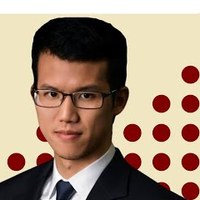
From Abandoned PhD Project to DOE-Funded Startup: How Jimmy Chiu Reconnected With CO2 Chemistry
Jimmy Chiu's path to co-founding Loop CO2 did not begin with a business plan. It began with a high school info session in Taiwan where a visiting professor told students that chemists are the world's true makers. That framing stuck. Chiu pursued chemistry through college in Taiwan, then joined Professor Tung's lab at the University of Minnesota in 2013 as one of the first students in the group. His first assigned project was using CO2 as a building block for valuable materials. The chemistry stalled, funding dried up, and Chiu switched projects around 2015-2016. He graduated in 2019 and joined DuPont, one of the largest chemical companies in the United States, where he progressed toward a managerial role.
The reconnection came through a casual catch-up with his former advisor. Professor Tung had filed a patent on a new CO2 utilization technology and asked Chiu if he was interested. Chiu describes the appeal simply: "That resonated. That's still my dream, right, to use to solve some real world challenges using CO2 and to reduce the carbon emissions from the chemical process." The team submitted a DOE grant proposal, received Phase One funding of approximately $260,000, and later secured Phase Two. The total DOE award across both phases came to roughly $1.9 million, which funded the construction of Loop CO2's current lab in Marlborough, Massachusetts.
The Three-Founder Division of Labor: Science, Technology, and Commerce
Loop CO2 launched with three co-founders and a deliberate separation of roles. Professor Tung anchors the scientific side as principal investigator. The CEO, described by Chiu as a serial entrepreneur without a chemistry background, owns the commercial and operational side. Chiu himself sits in between, leading the technical development and scale-up work as CTO.
This structure reflects a conscious answer to a real constraint in deep-tech startups: chemistry hardware requires capital before it can produce revenue signals. Chiu is direct about why he waited so long to start a company. "Chemistry is really really hard. Chemistry is part of the hardware, right, and then chemistry stuff is more like commodity, so there will definitely be a lot of investment that is needed." The Phase Two DOE money, at $1.6 million, was barely enough to build what Chiu calls a mini pilot lab. Without that non-dilutive capital, the technical proof needed to attract commercial partners would have been impossible to generate.
The founding team structure also reflects Chiu's upbringing. His father, an HVAC engineer who ran his own company, encouraged Chiu from middle school onward to build technical depth first and then step out to run his own venture. That long runway of preparation shaped how Chiu evaluated the right moment to make the move.
40-Year-Old Chemistry, One Key Breakthrough: The Polyester Pathway
The core science behind Loop CO2 is not brand new. The underlying chemistry was discovered approximately 40 years ago in Germany. What Professor Tung contributed was identifying a single key step that redirects the reaction into the polyester family, a broad chemical category that includes PET bottles, bioplastics, and many materials used in daily life. Polyesters are notable because they degrade more readily than most major synthetic materials, which gives the CO2-to-polyester pathway a dual sustainability story: it consumes CO2 as a feedstock and produces a material class with lower end-of-life impact.
Chiu's technical work since the lab opened in the summer of 2023 has centered on two parallel tracks. The first is intellectual property: because the material is genuinely new to the market, Loop CO2 has had to document and protect each application through patent filings while simultaneously running performance tests for prospective customers. The second track is scale-up demonstration. The 20-liter reactor at Marlborough is the first of its kind for this chemistry. Each batch yields five to seven kilograms of sample material, a quantity that potential customers in the B2B chemical space specifically requested before they would evaluate commercial partnerships. "A lot of companies actually wanted to see the result out of our big reactor," Chiu noted, explaining why the physical lab was a prerequisite for any serious commercial conversation.
Building the lab itself proved more difficult than anticipated. The process required a design team to translate the team's internal process diagrams into engineered P&ID drawings, followed by contractors capable of working with high-pressure systems operating at 60 to 70 atmospheres. Finding contractors comfortable with those specifications added significant time and complexity to the 2024 buildout phase.
Customer Validation Before Scale: The B2B Deep-Tech Sequencing Model
Loop CO2's commercial model is business-to-business. The target customers are large chemical corporations that need to understand how a novel material behaves before they can integrate it into their supply chains. This shapes nearly every technical decision Chiu makes. Sample quantity, pressure tolerance, batch consistency, and application-specific performance data all serve the same purpose: reducing the perceived risk for an enterprise buyer evaluating whether to test an unproven material.
The sequencing Chiu describes is a practical framework for any deep-tech startup selling into industrial markets. Proof of concept at lab scale earns non-dilutive government funding. That funding builds a pilot-scale reactor. The reactor produces samples at commercially meaningful quantities. Those samples go to potential customers to demonstrate scalability and application fit. Only after that cycle completes does a realistic path to licensing or supply agreements emerge. Chiu and the Loop CO2 team are currently in the middle of that cycle, two-plus years into operating the Marlborough lab and working through a portfolio of application tests and patent filings that will define the company's commercial surface area.
Frameworks from this conversation
- The Three-Founder Deep-Tech Division: Science, Technology, and Commerce as Separate Seats
- Non-Dilutive Capital as the Prerequisite for Hardware Startups
- Sample-Scale Demonstration as B2B Trust Infrastructure
- 40-Year Dormant Chemistry Unlocked by One Key Step
Full transcript Click any timestamp to jump to that moment in the video.
-
Oh, welcome to another episode of the Grove. Shout out to our partners, Clean Tech Growth Lab. If you're growing anywhere in the clean tech space and if you're in any other industry, crazy friends, but without them, it would not be possible to interview cool people doing cool things like Jimmy. Welcome.
-
Thank you. Thank you, Blake. Glad to be here to share our story. Oh, cannot wait. So, I want to recognize you for uh hopping on the schedule for for today. Jimmy and I met last week at an event in uh in Boston at Greentown Labs. They had uh their annual summit.
-
Was super awesome to be part of it. Jimmy and I met. Jimmy gave me context into what they're doing, which uh we'll learn more about. But uh immediately I I was really excited to talk to you about um how you got to where you're at, how you came up with the idea, your story personally,
-
everything like that. So uh before we get started, if you could give a brief introduction of yourself and what you're building. Yeah. Yeah. Uh hello everyone. Uh I'm Jimmy Chiu. So my I'm a chemist by training. So a little bit of of myself like how I get into this this whole journey. Yeah.
-
So back in 20 let's just let's just do it like start from my high school right like I was thinking what should I what should I do right in college like what major I should do I should do so in one of the like kind of a info session there was a a college uh professor he just visit our
-
our high school and he told us that yeah everyone can do like math can do physics can build some machine and stuff but if If you really want to become the maker, right, the the world maker, then you should become a scient a chemist, right?
-
You are you're making the molecules like just like the the maker, right? That of the like modern nature. You're making everything. So that's actually the moment I thought, all right, that's cool. That's awesome that I I can make the world happen, right? The real world.
-
So I decided to become a scient a chemist. Yeah. And then since then I finished my college at in Taiwan. Oh, I forgot to mention I I I grew up in Taiwan and I then I went to the University of Minnesota for my PhD work.
-
Nice. Yeah. And I I joined uh Professor Tunk's lab. Later I will introduce uh our the the ongoing relationship with his group. So yeah, I started my my PhD uh work at the TUK group as one of his first uh generation. So we started there his first project like he he wanted me
-
to start or like he he introduced like a few different projects. The first thing he brought to me is like using CO2 carbon dioxide as the building block. And I I was I was attracted to that idea, right? Like we we have learned like CO2 or carbon dioxide is a pretty pretty big uh greenhouse gas right that
-
cause some like uh that we we learn about the those kind of weather uh extreme conditions and things gets worse and worse right the the global warming about from the carbon dioxide. So that was very exciting uh thing that my my uh advisor is highly interested in this topic and wanted to to do some real work from this the chem
-
che chemistry perspective. So that actually was my first project right just take CO2 to do something else to make into valuable materials. So that was my my first initiative. Of course, like by that time it was a little bit too early. So the chemistry didn't go anywhere. We failed, quote unquote failed. Uh we didn't get enough
-
funding. So I I ended up uh switching my project to another different topic. Totally not related to the the CO2 or any kind of material. Yeah. Interesting. How long ago was this? Wow. I was I started in 2013 and then I switched project probably like 2015 16ish.
-
Okay. Yeah. Yeah. So almost 10 years ago, right? I kind of quotequote dropped that that dream using CO2. Yeah. And then and then after 2019 uh 2019, yeah, I I graduated. I actually I started my actually first job at Dupant right one of the biggest uh uh chemical companies in this United States. So I
-
was working there had some chance actually to progress my career into the manager managerial role. So very lucky and then by that time my my advisor uh professor tons uh we we had a we had a catchup session and he just brought out to me like hey Jimmy we uh they we we
-
have filed a patent on this the new CO2 utilization technology. Oh wow. Like and just asked me whether I would be interested. So I thought yeah that's sounds very cool because that resonate like that's still my my dream right to use to solve some real world challenges right using CO2 and to reduce the carbon
-
emissions from the chemical uh process. Yeah. So yeah so we decided to to file to to to submit a grant proposal through the department of energy and luckily we we got it. We got phase one we got phase two. So the this the phase two the phase two money was big was uh great enough
-
for for us to really start our like full-time lab. So the total amount we got from department the department of energy was about 1.9 millionish. So that we uh we use the whole chunk of that money to build our current lab at Marbor and that was and that was 2019 2020.
-
Uh no that was actually 2022 2023. Yeah. Yeah. We got our first proposal uh the the grand that was back in 2022. That that time I was more more like a behind the scene doing more like consultant work. A lot of work was the majority of the work was done at a school. Our project was uh the STR so
-
technology transfer research. So the professor tongs uh still was still the the PI the uh the principal investigator of the whole project. Okay. So the the overall work done was at the school and in 2023 we got the phase two that is the money that we allowed us to build a lab and for me to to become
-
full-time. Oh great. So then so so is the technology that he ended up getting the patent for the the stuff that you were working on in 2011 2012 or was it different? No no that was a totally different uh Okay. Okay. Okay. That would be that would be a crazy comeback.
-
Yeah. I I I hope that was the case but unfortunately no that was this is a totally different thing. Yeah. So, so then, so then my next question is, you know, before we get into um Loop CO2, what the progress has been in [snorts] the last few um years or so, I'm curious what what was the decision
-
to go from such a stable situation, right? A stable environment at a massive corporation. Uh like you said, you got lucky and you got an opportunity to do more managerial things. What was the thinking around going and doing something on the complete opposite side of business scale where you're completely just starting out uh you know with a small team
-
a huge risk um a bunch of uncertainty all of these things what was your had you always thought about starting your own company or was this new to you? Yeah. Yeah. To um so it it all started with my dad. So my dad is an entrepreneur. So he has been brainwashing me since I was a kid that
-
he he said like Jimmy like you you have you have to get your like strong technical background first and then and then come out to do like your your own career company. So yeah. So yeah, I think basically since I can remember as early years as I was in like middle school, but my dad already already tried
-
tried to convince me to do so, right? Like at my my my home, my parents' home like my dad is a HVAC engineer. He has his own company, engineering company. But like there was one moment my my my parents' place was filled with dirt because he my dad was super interested in making dirt from some like organic
-
materials like he was like I want I had I want to do that. So he he just studied a lot of dirt thing like for of course for agriculture purpose. So he he yeah he he just thought yeah we had a lot of dirt. It was kind of uh that was kind of dirty really. And I
-
mean and that the place he put all his dirt is the same level of my my room. So that was kind of a little bit annoying to be honest with you. Uh yeah. But had had you had you never thought about or tried to or wanted to start your own company before this opportunity came
-
about? No. that time it there wasn't a strong opportunity for me to do so because chemistry is really really hard chemistry is I of course is part of the hardware right and then chemical chemistry stuff is more like commodity so there will definitely be a lot of like investment uh that is that is
-
needed so it's pretty much until we get the phase two money which is like uh phase two is like $1.6 6 million dollar, right? That's that's the the money that's only barely can cover our like a mini pilot lab right now at Marboro, Massachusetts.
-
Sure. So before that, I there it's it's very hard to come up with an idea that okay that don't need much money to do so. So yeah. So only up to this point I Okay, gotcha. Okay. So then, so then let's uh so then let's go back to that moment where you guys had a catch-up
-
session and you were pitched on the idea of joining this team and you ultimately said yes. Um what was the state of I mean I guess you guys hadn't built out the lab that you're currently in now. So what was the state of Loop CO2 at the time that you joined? Did it have a name? Was it just
-
uh like verified research that you were pursuing? How many people were a part of the team? These types of things. Wow. By that time there it we start everything from zero. So by that time he uh I was pitched like there was nothing only like my profess uh my PhD advisor his lab he had he had a student working
-
on that. They published a very good uh in a very good scientific journal. they had the the the patent filed and that's it. So there's only one student working on this topic. So yeah, we start from zero. We we got it. Luckily, we just got the phase one for the SCT STR, which is about 20
-
$260,000. So that was enough for us to to uh to do some some proof of concept. Okay. Yeah. But majority of work still at the school to to pretty much tell uh the department of of energy like how this material can can be applied. What's the potential of this material?
-
How long did that take the the proof of concept? Yeah. Yeah. That was the just that that first year uh was the STR phase one money. Okay. And then and then so it was you so how many people were a part of the team that were coming up with proof of concept? Oh. Uh, so besides my PhD
-
advisor, we have a CEO. So, A11, he he was also in the Greentown uh event. Uh, he was busy talking with other people. Yeah. So, he's he's our CEO. He he doesn't have any chemistry background. He but he has he has uh established a few like startup companies before. So, serial entrepreneur.
-
Okay. So, he he's leading the on the business side and also the operation. Yeah. So he he's on the commercial side and I'm from the the technical side. Got my advisor is on the uh the science scientific side. So yeah, we started with three three of us, the three founders.
-
Mhm. Okay. And so it was three of you that worked until a proof of concept and then after the proof of concept, you received the funding and then what you used the funding for was to open a lab and hire a few people. Uh yes. Yes.
-
Okay. So, and how long ago was that again? Remind me. Oh, the after the proof concept. That was the summer of 23. So, about two slightly more than two years ago. Okay, cool. So, then so then walk me through what has been happening since then. How how have things changed?
-
Wow. Yeah. Uh that's a really good question. So, we we spend a lot of time on the IP for sure. Right. Uh okay because our material this chemical is new. It was never on the market before. So we had to demonstrate right besides the proof of concept I mentioned that we demonstrated to the department of energy
-
we also need to demonstrate our potential customers. So this business will be more a B2B business. So the customers are those big chemical corporates. They need to know how to use this new material, right? They need to understand this a little bit more. So we have to demonstrate it inhouse and also to protect those applications.
-
So we spend a lot of time on the testing different applications file uh and then file the the patents around those applications. That's one. The second thing is just like I mentioned the lab that we built the first kind of uh first of a kind like the 20 liter reactor for this type
-
of this type of chemistry. To be honest with you, this chemistry was actually discovered 40 years ago in Germany. My advisor, Professor Tons, he identified a key, one of the key step to turn that into uh a broadly chemical category we call polyesters.
-
So polyesters besides the PET bottles, there's a lot of different polyesters that has been used in our daily life. One thing that is most outstanding or people heard a lot is actually called the bioplastic because polyesters are the category that's easily to be degraded uh compared to other m major materials in the uh in
-
the market or in our daily life. Okay. So, professor tongs he found a way to turn this chemistry this process to make in to put into the polyester family. So that's how uh how he discovered this or made the the huge breakthrough and that's how we get the the p proof of concept done right and then so we had
-
the money we put the money in to build our lab that's the first of the first kind of this reaction to be scale up to this big large quantity. Sure. Right. So each batch we can generate five to seven kilo of the samples and that's actually a lot of customers that we talked to during our phase uh phase
-
one funding. We talked to them and they say they want to see the scalability because a lot of stuff only come I mean if it only comes from the the school lab it's very tiny tiny quantity that no uh the customers they worry about the scalability if they they found anything that's promising but this chemistry cannot be
-
scaled up then that will be a huge issue to them uh because they their their effort will be all wasted. So a lot of companies they actually wanted to see the result out of our big reactor. So that's how important this this lab is.
-
We had to we have to demonstrate the scalability as well as to use that to deliver the samples to the potential customer. So is is is this mainly been what has been going on in the last two years or or did you accomplish these goals in the last in the first year let's say in 2024 and then in 2025
-
you've expanded on there. Have there been certain milestones that you've hit in the last two years. Yeah that's that's you go into very details. Uh yes. So the first like 2024 we still working on we working things on in parallel. So we actually were preparing for the lab. Uh surprisingly building a lab is so difficult. Uh
-
okay. We we uh of course we need to find the design team to help us to put everything together right like the the SC the uh the process in our brain like how to make into the they call the PM ID. So pipeline and the the the design the like the like a diagram. The di the diagram.
-
Yeah. Uh so we we had to find a design team to to put that into a very engineered uh diagram and then we to we needed to find the contract uh the contractors that can help us to build the this this diagram into the real real uh equipments right that's actually also very challenging because we are
-
operating into the high pressure uh system which is like a like 70 atmosphere 60 atmosphere. So that is pretty high. So because because of safety. So we need to find the real professionals like who can do that and also every single parts that we would purchase that can handle under this high pressure.
-
So that's actually very challenging because the one thing actually is from logistic. a lot of specialty like chemistry related things during the co they actually have pretty pretty long uh lead time after co. Okay. So yeah our we started our design in 2024. We were also looking at the meantime we were looking for the desired
-
uh last space because we we need to use flammables. So that requires pretty good ventilations. Mhm. So we spent almost more than six months just to find the right place and we we felt very lucky to find our current place with the the landlord that that who is super supportive.
-
So then that's that that was one of the milestones that you hit was literally just moving into the right space. Exactly. Your lab. Yeah. So find the right space that's we move in like 2024 uh in August 2024 and then we start we already start to to make the the diagram and then and then
-
since 2024 the summer 2024 we start to to get like to prepare everything in like every single joint or valves or any pipes. A lot of them they just if one of them is delayed right every pro the whole project will be delayed right we cannot just miss one one of the join and
-
not just put it onto the system we have to wait everything to be ready otherwise the contractors will just come they will just come on different days their schedule is also very busy so yeah so when was it that you got to start working out of the construction the lab yeah the construction was we started
-
January pretty much this this year when was the construction construction done. Oh, no. Oh, the done. Uh, it was almost done. I I would say it was done in April. However, we we needed to wait for like a ventilation system to come.
-
Okay. Yeah. So, we actually everything including the ventilation was done was in July. So, then it's been about a year uh a year and a year and a couple months that you've been actively operating out of this lab.
-
Yes. Yeah. So, so while so during the time that you've been in this lab, uh what type of development have you been going towards is it a simultaneous like you know you you talk about speaking to customers what types of use cases are you guys seeing or what types of use cases are you developing for uh at the
-
moment? Yeah, that's a good question. And so we started using our material as like um the raw material into elastors right like the those like stretchy materials that's our first target and that's how we start uh that's how we proposed to the department of energy and so like 2023 20 uh 2023 2024
-
I was actually traveling a lot to the University of Minnesota just to had uh the materials uh ready and talked to the scientists to see uh how like whether our scientific hypothesis is correct, right? So I had a lot of uh brainstorming uh collaboration with the university researcher. So we actually used the funding to hire a postto at the
-
the tons group and then I I and then we we brought those materials back to Massachusetts uh to do those kind of formulation work. Okay. So yeah, even though our lab wasn't ready for to do a lot of for uh a lot of like a flammables chemistry, but we could do formulation work.
-
Well, because what what what you had showed me what you guys were tableabling was a sort of adhesive. Oh yeah. So you got another point. So we actually have been pivoting quite multiple times. Yeah. Because because it's how it go. Yeah. Because this is a like platform material. So a lot of possibilities. We so we were searching
-
for our head market, right? I believe you have heard this term a lot of times for for the startup company. We really need to find the first application as our beach head, right? uh that has like higher profit even start I mean even though it might start with lower quantity in general but
-
if it has a high higher margin right allows to uh kind of sustain our business that's our that's definitely the the the first target to go so we have been spend we have spending I've been spending about like almost a year since last summer to really determine what would be our first market
-
first application and where what what what different like can you can you just quickly take me through the stages of what you thought your market would be and the different ways that it's changed. So you were talking about it being like an elastic right as of last year and now it's more of an adhesive. Was it anything in
-
between or did you pivot directly from the elastic to the adhesive? There there were there was one thing in between. So we actually start uh yeah when we when we were looking into the elastic materials then by the same time we were looking into the adhesive already but we didn't like push very
-
hard on that side and then the end of probably like the end of last year we were looking into like bioplastic uh materials. So using our materials more like a plasticizers into uh bioplastics. Okay. because some uh the polyactic acid, not sure how familiar with this term, the PLA. So PLA has been uh used
-
recently uh in some consumer products, but it's pretty brittle in general. So our material is on the other side is pretty soft. So we kind of want to blend them together, right? You can imagine you blend some very brittle, very hard material with some soft material together. So you kind of get the
-
balance. Okay. Right. So that make it not so brittle that can potentially be applied in different applications. Yeah. So that was like the end of last year that I as we thought that maybe a good place to go but then but then we we w we we kind of pivot again from there. The
-
reason because bioplastic is more on the commodity side. So the volume is there's a there's a huge potential in terms of the volume. However, the price will definitely be very competitive because if we use in like consumer packaging for example, no one wants to spend like a lot of money in packagings, right? So,
-
so that definitely will be very challenging for us. We we still see a huge potential on that. So, if any but for now but for now the focus is the adhesive now. Yeah, adhesive and coatings and yeah, that's so then quick question for that. How did you get how did you arrive at that
-
decision? Why is it that that's what you're focusing on now? Yeah. So, we did a lot of customer discovery. We talked to more than 80 80 different companies and people about how did you get in front of those people like just in your network you were calling out reach. How did you get in
-
touch with those people? Yeah. Yeah. So, I think well uh actually three three different way three different channels. One is called outreach and then we we share because we we we were founded by the department of energy. So so people are more willing talk to government funded projects. True.
-
Right. To share some of the insight. So that's that's a blessing for us. That's that was very good. Uh the second channel was from like a trade show. So we we actually got supported from from department energy. they they have a commercialization workshop. So they they they get they pick a few of their
-
awardees and to do that kind of the commercialization workshop a lot a little bit like those training program and then they sponsor us about uh $5,000 to the commercialization activ uh exploration activities like custom discovery. So that allows us to go to some of the trade show to cover our uh the attendance fee and also like a hotel
-
and also traffic. The last one definitely is through our network. Sure. Yeah. So um so with this f and and so the feedback that you got from all that research was that there was an opportunity in adhesives or coding that you wanted to uh pursue. And so when you come up with a hypothesis like this,
-
how are you going about testing it? Like uh are you you know is it customer partnerships? Is it really lab experiments that you're using to uh confirm or deny this hypothesis that adhesives or coding is the right way to go? like how do you guys plan to go from okay this is an opportunity
-
and validating that it's an opportunity and you know going to market. Yeah. So that's that's you you're right that we had to do we have we have to do some validation inhouse. So that was actually uh the activities that we have been doing to fill the gap while we were waiting our full lab to be operational.
-
We could still do some like as I mentioned like a small formulation work that that didn't require any flammables. We just mix stuff together and that would just that can be done in like without without the the the required ventilation for example because we were not handling any flammables.
-
Okay. Yeah. So, so that kind of preliminary uh formulation was another focus while we were planning for our full lab the lab uh construction. Yeah. So with those like preliminary data uh we can then engage with customers to say hey we have like those samples that you saw in the event that we we have achieved like a coding or a
-
Yeah. Yeah. that we we just hand it to to the potential customer. Actually like three weeks ago we were in Germany for the the the worldwide largest uh trade show which is called uh Kayfair in uh in Dusenorf Germany. So it's like the largest plastic show the whole ecosystem was there around the
-
plastic. So people saw those those samples they people were were pretty excited about the potential of those materials. So we got we got talked to a bunch a few different uh brand branding companies. Yeah. Yeah. So they when people saw saw those kind of stuff they they definitely have a lot of ideas es especially chemists
-
right people people can started to think about how to use this kind of material and how to blend mix uh fit into their product line. So yeah. So, so Jimmy, a couple more questions for you, but one of them is why So, I I I I want you to get into the uh the technicals if if you if you
-
have to because that's cool. But to me, on the surface, it seems like such a like uh not an easy idea, but maybe an obvious one to take captured CO2 that's on the market and turn it into a material that like there's a bunch of different people, a bunch of different companies that are using captured CO2 to
-
then create materials. Um like why hasn't something like this happened before? Let me think. So there are a lot of great companies they they are doing they are also using the chemical way to turn the capture CO2 to the the the products. Uh they are using they are using some like some well-known one uh ones they use what
-
they call electrolysis. The electrolysis is to directly use electricity as the the energy source than to turn the CO2 into some other molecule which is which is awesome. Uh the electrolysis is kind of a new newer technology compared to thermal like typically thermal reaction right the thermal reaction you just heat it you
-
you do kind of like a pressure cooker for example right it's more straightforward but the electrolysis uh electrolysis technology is slightly newer so people have to uh design more uh more advanced reaction uh uh in in re reaction infrastructure for example new equipment and stuff. So that's I think that's slightly more challenging in general but
-
definitely they are many companies they have demonstrated that which is also very cool. I really like that as well. Our ours on our side we are doing the the thermal process but we are generating new molecule. So I forgot to mention for they do the electrolysis uh directly input electricity they are making existing molecule. So their their
-
products are the same molecule in terms of the atoms like like the same uh structures same atomic structure I mean and so for them is like their process will need will be we need a lot uh more efforts to develop those infrastructure.
-
Okay. For us we are we are taking the different route. We just directly use the heating system very typical uh chemistry reaction but we are building new molecule. So that's that's actually the challenge on our end is to demonstrate the customers to de to show the demonstration to the customer how to use the new molecule. But once we
-
demonstrate it, that's pretty cool because we're making something new. That's if we demonstrate the use of those material and the the differentiation and also potentially the end of life of the the material, right? We don't definitely want don't want to create any new hazardous material. We we already have enough. We don't want more,
-
right? So once we demonstrate all those check marks either the new molecule actually will be be very very uh promising to the the the plastic industry. But we have to demonstrate that. So they are like different technology they have different different challenges right one is on the process side is more advanced and for us the molecule side is
-
more advanced. So so is it so the re so what differentiates your technology is the chemical complexity is is is how and that's why someone else hasn't attempted this before. Exactly. So as I I think I mentioned like this chemistry was discovered 40 years ago, right?
-
Uh people have tried to try to use this molecule in a variety of different reactions. They they all work pretty well, but there wasn't a like aha moment for people to really invest in. it was more on the academia uh testing like study side of work not yet to be commercialized until uh
-
professor tungs my PhD advisor come up with an idea how to turn that into a little bit more relevant environment to our uh those commercially available materials then that was the our aha moment to say hey that's that's the the the route we potentially can commercialize that Yeah, got started. So I got so so I have uh
-
two more general question. Thank you for walking me through uh the technology by the way. So I got two more general questions for you and the first one is what is the at this moment today? What is the biggest hurdle that you guys are facing and how is it also an opportunity?
-
Yeah, that's a great question. So the biggest hurdle uh also the the of course the hurdle always actually is the opportunity uh is the material right so the material the the overall not the not just the the like the the the green tech e ecosystem but also I think general audience people it's it's hard for people to understand
-
chemistry right I I for example based tell my personal experience whenever everyone I talk to they when I when I say hey I'm a chemist people say oh that's so cool like we we suffer from chemistry in high school or in college right because chemistry is like you could imagine let me just take example
-
right if you see a liquid you think oh that's that's water but this actually can be ethanol right it can be alcohol can be a lot of different things it's really hard just by seeing this this liquid like colorless liquid to tell what it is. So that's the challenge you know people it's hard like for example
-
plastic when we talk about plastic for a lot of people plastic is plastic but they are actually if we look at the recycling chart there are seven at least seven different category for recycling and there are actually more than hundred of different plastics. So that's that's the that's the challenge and hurdle for people to
-
understand uh material and also chemistry and as that and this challenges that brings to us more directly is on the funding funding side because if we are making new molecule and and investor uh if they don't have for example their their uh their G uh their LP if their LP is not like chemical
-
corporates then that will be a little bit challenging for them to make connections then they don't understand how challenges it is to develop the chemistry uh startup for example. So that's that's one side and the and that also comes from the opportunity that that being said if once we get into the commercialization stage this material
-
will stay there forever right once it gets to into this complex supply chain people loves once people love it like once we prove it it will stay there forever it will not it will it will not be easily replaced of course to get into the market takes a lot of time and effort So that's also the reason we we
-
see ourselves like we like we need to find an industrial partner who are forward thinking willing to try new materials. There are a lot of companies they are willing to do so I I I want to make it clear. So we we we see that momentum right in Greentown Labs. A lot of uh Greentown Lab partners have
-
stopped by our booth and just to have want to have a deeper conversation uh to to make for example to make connection with their tech uh technical team, right? So so once this uh once we make that connection and really successfully commercialize it, this material just stay there forever, right? So so that's that's the that's
-
the opportunity. Oh, well said Jimmy. That was so beautiful. So, the last question that I have is with uh with all those challenges that you're speaking to, this the stickiness of of uh once you're in market, you know, that that vision of being there, but understanding the work that that goes into getting to
-
that point. What inspires you? What inspires me? Can you maybe elaborate a little bit like what kind of which uh which perspective do you want me like you you'll be interested? I am interested. Uh the thing that I love hearing from people is that what you're doing is some of the hardest, you
-
know, work as as far as building a company. Uh you know, as far as far as doing a job, as far as developing a new science, all these things are really hard. And um I'm curious what drive, you know, I guess a different way to ask the question is what drives you, you know,
-
and it can be something as simple as, you know, I love solving complex challenges. I love learning new things every day. It could be as uh you know sincere as like you know I've I've always I've had this dream since I was a kid of being an entrepreneur and I'm doing it and I love it and it could be
-
something super um some something very personal about the chemistry that inspires you but it's just there's so much challenge in what you're doing and I'm just curious for you personally what keeps you going you know. Yeah. What drives you to continue working on it?
-
Yeah. So that I think you you mentioned often already like like from being as as a as a chemist I always feel curious to everything I'm handling like even though this chemistry has been demonstrated in the small scale but but once during the scale up process there are a lot of uh questions that we have to answer and
-
that's pretty pretty fascinating right you get to put uh your hands into to those real real uh science that has the potential to be commercialized. That's actually that's the the biggest achievement as a as a chemist, right? you you are you are not really I we shouldn't say like we are inventing the
-
molecule but we are we are making a molecule that will be in the market which is unbelievable achieving to be honest with you as a chemist because in as a chemist in the lab you can make a lot of different things you can do but in the commercialization scale that's very very challenging so that's
-
one thing another thing is uh right that kind of family thing with my my father as an entrep entrepreneur and I'm also a father of two boys. So, I really want to show them, hey, this is hard. Uh, of course, a lot of uh frustrations, but uh I I'm not giving it up yet,
-
right? So, want to demonstrate to my my boys that yeah, I your father can do it and even your their grandfather was doing it, right? And I can do it too. and they should be able to do it as well. So that resonates like a lot of philosophy that we are we are holding
-
right now like we we we love to make connection with uh colleges. So we have actually hired uh five at least five I'm sorry counting six six interns through mass CC mass clean energy center program they that program is very supportive to us so our uh we those interns that we we uh work
-
with they they are all super awesome there's one uh intern that decided to to do PhD Right. He we had a very close relationship. Uh he asked me a lot of questions what's it like being a PhD and then he decided to do it right which is awesome. And we have another intern now is working with us as
-
a full-time. So developing those young talents right demonstrate that there are possibilities in this world. That's fascinating. That's what we that's that's what why what we believe in the value is just running this this technology is not just to to sell something right we are developing the technology together we're developing we're making this war
-
more sustainable amazing Jimmy thank you so much see this what I'm talking about I'm glad you asked for the clarification of the question because that was a beautiful answer uh it's very inspiring to me so if anyone else listening is inspired or what's the best way to follow along with your journey?
-
Yeah, feel free to uh I should should be able to find me on LinkedIn LinkedIn or just search uh loopco2.com that there's some like we have our contact info on the website. So I I I feel I I I would be happy to to talk even like from the personal perspective right for young talents who wants to
-
learn because I have experience right in the big corporate as a as a manager and now I'm working in the startup. So definitely be happy to share my personal experience from like both very extreme uh conditions right like share what what that feels like in different scenarios.
-
Good. So yeah and also of course like make some connect making connections to corporates who would like to to work with us in like the CO2 utilization technology. I think that will be awesome as well. So we we would love to make any connection.
-
Beautiful. Do it. Go do it. All right. Jimmy, thank you so much for your time. I'm excited to be in touch. I'm excited to see where you guys go uh the next quarter, the next year. Uh we should do an an update episode just just to see where you guys are at with the uh the
-
coating and the adhesive. But thank you so much for your time and uh looking forward to the next one. Yeah, thank you so much, Blake.


