
Low Flow, Big Impact with Russell Schindler, Founder & CEO @ SampleServe
Russell Schindler turned a Michigan regulatory change in 2001 into a software company by listening to customers who wanted the tool, not the service.
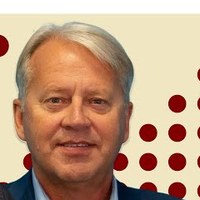
Why Michigan's 2001 Low Flow Rules Became a National Standard
When Michigan changed its environmental sampling regulations in 2001, most of the industry was unprepared. The new requirement centered on low flow sampling, a technique designed to prove that water drawn from a monitoring well originates directly from the aquifer with minimal chemical disturbance. Russell Schindler, a geologist who had been doing environmental work since 1987, recognized the confusion and stepped into the gap by founding SampleServe as a third-party sampling company.
The core problem with older purge-and-sample methods is aeration. Aggressive purging agitates water inside the well casing, stripping volatile chemicals from the liquid phase into vapor. The result is a sample that understates actual contaminant concentrations, sometimes by fractions of a percent but enough to compromise data integrity. Low flow sampling solves this by matching pump outflow to aquifer inflow. When draw-down stabilizes, temperature, pH, and conductivity readings taken every three to five minutes also stabilize, confirming that water reaching the sample container is genuinely fresh from the aquifer. Schindler notes that a typical well takes 20 to 40 minutes to reach this equilibrium, with some wells requiring up to 90 minutes. Michigan pioneered the requirement; by the time Schindler built software around the process, nearly every state had adopted it.
The Field-to-Lab Data Problem SampleServe Was Built to Solve
Schindler did not start with software as a product. He started with a personal limitation. Labs were calling his consulting company to ask him to write his threes and fives more legibly because field technicians could not distinguish between them on handwritten labels. His response was to automate the paper trail, not improve his penmanship.
The software SampleServe developed handles the algorithmic work of stabilization calculations in real time, prints QR-coded labels via portable field printers, and pushes chain-of-custody data directly into laboratory information systems through a companion lab app. Schindler estimates that 99 percent of the industry still handwrites sample labels and chain-of-custody forms, requiring labs to manually re-enter every data point. The compounding error risk in that workflow is the market SampleServe targets.
The Language Immersion Model for Crossing Industry Boundaries
Schindler has started roughly 18 companies across sectors ranging from a Traverse City charter catamaran operation to jet ski rentals to environmental services. The common thread in how he enters unfamiliar domains is deliberate immersion rather than formal credential acquisition.
When customers began asking to license SampleServe's software rather than hire the sampling crews, Schindler's first instinct was to refuse. "I'm not a software company, you know? I'm a geologist," he recalled thinking. But after hearing the request often enough, he began attending technology meetups in his region. His framework was explicit: "I equated it to trying to learn a new language and in a way coding and software is a new language. If you're trying to learn a new language the best way to learn that language is to go to that country and live there," Schindler said. Within a couple of years of consistent attendance at tech meetings, he had absorbed enough vocabulary and mental models to structure a software organization, hire for the right roles, and evaluate developer proposals without writing a single line of code himself.
The transition completed in 2022 when Schindler sold the field sampling division entirely. SampleServe is now a pure software company, a result that would have been unrecognizable from the company's 2001 founding premise.
Customer Pull as a Product Roadmap Signal
The pivot from service company to software company did not come from internal strategy sessions. It came from repeated, unsolicited requests from the consulting engineering firms SampleServe was pitching for sampling contracts. Those firms wanted to keep their own crews in the field but recognized the data management layer as something worth paying for separately.
Schindler's response to those early requests illustrates a discipline that runs through his account of the business: he delayed action until the signal was strong enough to be unambiguous. He did not license the software the first time someone asked. He waited until the volume of requests forced a re-examination of what business he was actually in. That same customer-signal orientation now drives feature development, with QR-code label printing and the lab intake app both emerging from specific frictions that field operators and laboratory clients named directly.
Founder Psychology and the Cost of Ignoring Rejection
Schindler's advice on entrepreneurial resilience is precise rather than motivational. He frames the psychological risk not as doubt but as personalizing rejection to the point where it consumes decision-making capacity. "You're going to have clients go, 'Nah, get out of my office,'" he said. "Some people take that stuff personally. And believe me, there's times where I do as well, but you got to learn to shrug it off and just go, 'Look, you're not going to please all the people all the time.'" He pairs this with an important counterweight: thick skin is not the same as persisting past a bad idea. Founders who push too far beyond what the evidence supports can exhaust resources that would have been better redirected. The skill is distinguishing between a good idea meeting friction and a weak idea meeting a fair market verdict.
Frameworks from this conversation
- Aquifer Stabilization as Data Quality Proof
- Language Immersion Model for Industry Crossover
- Customer Pull as Unsolicited Product Roadmap
- Service-to-Software Transition Triggered by Repeated Licensing Requests
Full transcript Click any timestamp to jump to that moment in the video.
-
Oh, today on the show we have Russell Schindler. Russell is the CEO and founder of Sample Serve. Sample Serve offers hardware and software solutions to water sampling. Now, a question you might ask just like I asked myself is who needs that and why and what is the application? What is the value proposition here? Well, it turns out
-
it's very interesting and it's very substantial and crucial to our everyday lives. Um we also discuss uh his journey as an entrepreneur, his mindset and the cool and exciting ways that uh entrepreneurship uh a certain value proposition, a certain technology can evolve over time to have applications in markets that you could have never uh
-
imagined when you had started your company. So I'm grateful to Russell for that. That's an important perspective to keep in mind. Thank you as always to our partners Craz Friends for production. If you're looking to grow in any industry, they're the people to talk to. And to do clean techch growth lab, if you're
-
looking to grow in clean tech, those are the people to talk to. And with that, I bring you Russell. Oh, welcome to another episode of The Grove. Shout out to our sponsors. Mentioned right before this started, but without them, it would not be possible to interview awesome people doing awesome things like Russell. Welcome.
-
Yeah, thank you. Oh, yeah. Something we were just talking about is uh Russell's surrounded almost surrounded by water. So, it makes sense to me that uh that you've ended up where you're at. I'm all about water. That's right.
-
Big sail big sailboat racer. Oh, nice. On the water all the time. I was like Well, I hope when you're out there you're not thinking about work even though you're you're very invested in it professionally. When I'm at work, I'm thinking about sailing. Oh, okay. All right. All right. So, maybe you earned it. But, so with that, um,
-
for anybody that doesn't know yet, uh, if you could give a brief introduction of yourself and what you're building. Yep. So, um, Russell Schindler. I'm a geologist. I've been doing environmental work since I got out of college long time ago, 1987.
-
And, um, I started out as a, you know, regular geologist doing environmental investigations and stuff. And in 2001, I actually started my own environmental consulting engineering company. Uh grew it to like 33 people, I think it was. And in 2001, the state of Michigan um changed some rules on how to collect environmental samples. And I uh people
-
that basically they developed what's called lowflow sampling. There's a lot of confusion in the industry and not a lot of people knew how to do it. So I decided I was going to start my own company doing specializing in collecting samples like a third-party sampling company. So I started Sample Serve in 2001 as a sampling as a service company.
-
And so we sampled for other companies and went all over the country. We actually ended up having offices all over the place. Uh grew it to pretty big company. Uh as I went around it asking companies to um let us you know hire us to do their sampling for them. A lot of
-
big consulting engineering companies uh people started um asking if they could use our software because I started creating software early on actually in 2001 and it was because there was a lot of data required specialized equipment and I'm my penmanship is horrible. So, we started creating software that would do things that would make it so I didn't
-
have to take so many notes. I didn't have to print so many labels in the field because my penmanship was horrible. I've actually had labs like call me up and go, could you please speak with Russell Schindler and ask him to write his threes and his fives better because we can't tell the difference.
-
And I'm I'm like, I know what you mean. I'll have a talk with them. And uh so you know so I started creating software to kind of do a lot of the ma take a lot of the manual work out and make our own operations more efficient. You know the faster we could do it the more we could
-
uh kind of take the paperwork out of everything the sooner everyone got home. And so uh fast forward the software got better and better. I'm like, I got all this data. I could start creating some graphics for my customers, right? Taking that data and put it on um graphics. And so I'm talking to these
-
consulting engineering companies going, hey, if you hire us to do your sampling, you could use our software as well included with the package. And a lot of, you know, people started going like, hey, you know what? We really like to do our own sampling, but your software is pretty cool. is there any way we could
-
just use your software? And I was like, no. I'm like, I'm not I'm not a software company, you know? I'm a sample. I'm a geologist, right? Sampling company. And after I heard that enough times, I was like, you know what? Maybe maybe I should let him use it. I mean, like, you know, this time of year when it's
-
snowing and blowing out and it's cold, you know, and you're like, I wouldn't have to go outside, you know, as I get older, it seemed more and more appealing not to have to go outside all the time. you know, I was younger, I kind of liked it. But, uh, so I was like, you know, we eventually
-
transitioned into a software company and actually in 2022, I actually sold off the sampling side, so we're just pure software now. Awesome. That was an incredible overview. I mean, I usually like to get into uh those types of timelines anyway.
-
So, I'm glad that you that you presented that because I have a bunch of questions lined up for that. So, right before we get into that though, I'm curious for you personally, uh, I mean, it sounds one of my favorite questions is, is this your first venture? And it seems like it's not. You started a company
-
beforehand. So, my question for you is, you know, has starting a company, being an entrepreneur been something that uh, you envisioned yourself doing or wanted to be since you were young or did you stumble into it after studying geology?
-
I was actually answering that question just the other day. I've started about 18 different companies. Oh wow. And not all of them are most of them were not in the environmental world. One of them had to do with sailing. I started a charter boat in Traverse City where I'm at which still going to this
-
day. It's a big catamaran sailboat. So when I say I'm into sailing, I was really I still am really into sailing. So yeah. Right. So you and then you know I had a jet ski rental operation for a while and you know so all kinds of weird stuff because it is a big tourist town and uh right on
-
the lake and so you know the jet ski rental was natural and um I started a whole bunch of stuff but you know the ones that have really been my passion have been um either related to sailing or the environmental industry. So gotcha. So, so then, so then uh since since we're here and you got the sample
-
serve uh behind you, I'm curious uh so let's see if how let's just pick two. I'm curious if there's two main experiences from the other 17 ventures that you've been involved with that um and and you know an example could come from just from sample serve as well just an earlier version of it but um let's
-
just talk about two experiences or impactful lessons or something that you've learned acquired that impact how you navigate running sample surf. Yeah, you know, so like I mentioned, I was a geologist and now I'm a software company. I I always tell people I go, I'm a software owner owner of a software company, but I've never written a line
-
of code in my life. Never. Like I don't write the code. But early on, I was working with, you know, when I say early on, I'm talking 2001. Uh I was working with software developers. So over the years, I've learned how to talk to them. I learned what they can and can't do. I've picked
-
up on some of the, you know, acronyms and the lingo and I know how, you know, you know, essentially things talk to each other and again, I don't do any of that type of work. I just kind of help design it and come up with the concepts and that kind of thing. So, that was the
-
the the big thing. I probably really got into it like in 2012, 2013 when I was starting to get these questions about people wanting to use our software and started thinking like may you know maybe we should be a software company. And so I started going to and here was my theory. I started
-
going to all these tech meetings and meeting software people. And my theory was like if you're trying to learn a new anything I equated it to trying to learn a new language and in a way coding and software is a new language.
-
Uh if you're trying to learn a new language the best way to learn that language is to go to that country and live there. So I was like I need to immerse myself in the software world. And so I just started going to all these tech meetings and you know it didn't take very long
-
you know I mean when I say not very long you know couple of years sure and I could start to tell what they're talking about and how software companies should be structured and who you need to do what and you know so that's kind of how it all about. So that was really the
-
big thing is like you really have to immerse yourself in that world in order to kind of uh absorb it and it can be done with any industry. Right. Right. So Okay. So cool. That's that that's uh that's that's really useful. So uh definitely there are a lot of people I think that don't come from a
-
software background find themselves solving a problem and and discover that software is potentially the best way to go about that. So I think the perspective of anybody can learn how to speak software uh is helpful and inspiring. So I and I'm definitely around that. I' I have written lines of code but I'm not a developer.
-
Right. So uh is is there a second thing that comes to mind that um that seems to be particularly impactful for you? Um you have to learn to um just know you're going to have sleepless nights. you're going to wake up in cold sweats worrying about how you're going to pay the bills and whether you're going to go
-
out of business and uh kind of secondguessing yourself. You're going to have clients go, "Nah, get out of my office." You know, yeah. Like, and you know, some people take that stuff personally. Um, and it and and believe me, there's times where I do as well, but you got to learn to shrug
-
it off and just go, "Look, you're not going to please all the people all the time, and some people aren't going to like you, and you know, competitors are going to be critical of you." And, you know, you just kind of go like, "Well, of course they are." And so, um, you just have to, um, really have some thick
-
skin and just know that, uh, you know, you just got to keep, you know, trudging along and just kind of keep putting the effort in. And and, uh, I'm not saying some people should should quit. And I'm not sure, you know, sometimes people go way beyond their their um, you know, what they should be doing.
-
Sometimes they just have a bad idea. Yeah. But um you know you just really got to have thick skin and just have that desire and drive and know that every day is not roses and sunshine. Gotcha. So good. Yeah. Those Yeah, those are those are two awesome uh I think pieces of information that will if if nothing else
-
help people feel seen because I know uh personally I've experienced both of the things that you're speaking to. So I appreciate you uh talking about both of those things. Something I want to go back to is is when you said Michigan had changed the laws around the type of sampling type of water sampling that was
-
occurring in the state. Are those laws the same now? Yeah, as a matter of fact, uh they Michigan was probably one of the first adopters of this technique called lowflow sampling and pretty much everybody requires it now. Okay. So, can you Yeah. Can you talk about what that is, why it's beneficial, things like that, why there was
-
confusion at the beginning? Yeah. So, the way it works, so used to be that you would just kind of purge a monitoring well and then take a sample. Well, in the act of purging the monitoring well, uh especially if you're very aggressive about it, you're going to airate the water. Um and you don't necessarily know
-
that you're getting water straight out of the aquafer. could just be the the water in the well casing. And so the idea behind lowflow sampling is to be able to prove that the water you're putting in the sample container is fresh from the aquifer with a minimal amount of u disturbance to the chemistry of
-
that water. Now, you'll never be able to pull it from the aquafer and put it in a container without changing uh some of the physical and chemical characteristics of the water a little bit. The idea is to make that change as minimal as possible. And so, lowflow sampling, you're pumping water out of
-
the aquifer and the the water is going to start going down inside a monitoring well. It's going to create what's called draw down. But you don't want to draw it down too much because now this water flowing in is going to be agitated airrated. When you airate water with volatile chemicals in it, you're
-
actually moving the water the chemical from the water to the vapor and it it's essentially, you know, lowering the water concentration. It might just be by, you know, fractions of a percent, but it is happening. And so when you uh are pumping the water out, you're going to measure uh temperature, pH, conductivity, a whole bunch of other
-
physical characteristics. And um you what you're trying to do is see the change when uh you're you're measuring the change. You're taking a reading like every 3 minutes, every five minutes on all these parameters. Then as you're pumping and the water starts to stabilize that draw down where you're the water flowing into the well is equal
-
to the water flowing out of the well. So that draw down stops because the pressure differential on the outside of the well versus the inside. It equilibrates. The flow in equals the flow out. And now the physical and chemical characteristics that you're measuring, temperature, pH, etc. start to stabilize. You can then almost
-
certainly say that you are getting water fresh from the aquifer because you're measuring it up top of the well. You're getting water fresh from the aquifer and you've you're changing the physical and chemical characteristics as minimal as possible. And now once all those things stabilize and our software actually calculates all that for you and it's
-
pretty big algorithms, right? I mean it's a big process. The typical time it takes to sample a well is about 20 to 40 minutes, right? 20 is about the the low end. Some wells will go 90 minutes. So then you'll open up the container and you're going to try and very gently put
-
that water in the bottle and uh then you put it on ice and send it to the lab. Now our software also uh we use um you know portable label printers to print labels. I don't if you see those. We got different QR codes. I already pulled one of those off. So, there's two QR codes. We put one of
-
those QR codes on the lid of the bottle. And then that allows the labs to without having to pick up the bottle and log everything in, they just use a separate app that we have. Here's one of our apps right there. Um, this is the field app. We have a second lab app that the lab scans these QR
-
codes and they don't have to type anything in. It just pushes that data file right into the laboratory. Uh most of the time, when I say most of the time, 99% of the time, right now, people are handwriting these labels, handwriting the chain of custody, and now the lab has to go in and type that
-
in. Right. Kind of what you Yeah. Pardon me. Kind of what you were speaking to before about that the handwriting. Yeah. Right. And it's is that is wrought with problems. isn't as you might imagine. Um, you know, I'm from an older generation and my penmanship is horrible, but as new people are growing
-
up on keyboards, right? They're growing up, you know, they're the penmanship quality is actually going down. Yeah. Like penmanship legibility is actually getting worse over time. So, so I, so I appreciate the the explanation about about the low flow. uh just about the beginning of a sample service well. What was the confusion at
-
the beginning and what was the opportunity that you uh well before they would just like go to the well, purge a bunch of water out and take the sample, right? And now it is reading data reading data every 3 to 5 minutes calculating the percentage of change. So if you've got temperature of
-
say and we usually use Celsius you know the initial water coming out of the well is like you know 8 degrees Celsius but then it goes from 8 to 8.1 to 8.2 2 to 8.3. Um then and usually it'll change, you know, there's temperature changes. Um because the well in the the water in the
-
well casing, right? So it's a pipe with a screen at the bottom. You're trying to pull water into the screen and now it's fresh from the aquifer and that water in the well up high is going to be different than the water in the aquafer at the screened interval.
-
And that's what you chose to specialize in. Yeah. Yeah. Essentially, so that's what we specialized in. Now, we've since transitioned into other types of sampling, um, soil, surface water. Uh, as a matter of fact, our biggest area of growth right now is in the drinking water facility. So, the municipal drinking water. One of the contracts we have is
-
with a firm that is doing all of the municipal drinking water sampling for the entire state of Texas. So 7,200 separate cities in Texas are using our app to collect their drinking water sampling every day. Any given day there's 45 50 people out in the field in Texas somewhere collecting, you know, two 300 drinking water samples every day
-
using our software. Yeah. So you so you started to allude to it right there. What um who are the uh the companies in the world that are using your your software? you just spoke with municipal so some of the bigger consulting engineering companies Stantech and Tia um you know some midsize companies I'm
-
trying to think of some other companies that are using it I don't want to say if they're not really using it very much bunch of midsize companies uh oil companies are using it um a lot of wastewater and drinking water facilities gota uh so we picked up you know some some big engineering companies are using it
-
for drinking water and waste water. Have you always been servicing the same kinds of clients or has that evolved over time? It's evolved over time. So you can imagine a a groundwater like uh associate. So we have essentially two distinct markets. The environmental market we call it and that's where there was like some kind of spill leaking
-
underground storage tank, a pipeline broke, uh maybe a refinery where there's been a spill and groundwater contamination is, you know, moving and migrating. That's kind of where I grew up. But there's a whole another market we call the municipal market and that's the drinking water facilities. So every city, you probably live in a city that's
-
got city drinking water. And then they also usually have a wastewater system as well. So they got water coming in, they got to test it. Everyone's heard of uh the you know the Flint water crisis in Flint, Michigan. Right.
-
Right. That's kind of you know where really emphasize like you got to test your drinking water constantly because it can change over time. you have other all kinds of little issues that uh you know contaminate the drinking water and they want to make sure that everything's uh running well. So they test it
-
frequently. Well, the you know state of Texas is using our app to you know send people out all over the place and test water. Um so at these same cities they'll have um wastewater treatment systems, right? Water comes into your house, you use it, flush your toilet, whatever, take a shower, goes out to the wastewater treatment plant,
-
and now they're treating it and they got to discharge to some surface water somewhere. So, they have they want to know what's coming in because it does change over time, uh during the day, you know, they got industrial facilities, they've got, you know, all kinds of stuff. They they've got processes inside the
-
wastewater treatment plant that they have to test all the time. And then they have discharges to surface waters usually. uh the river or a lake. Um like I'm in Traverse City, they discharge to the Boardman River which discharges right into Lake Michigan. So um they're testing that every day, collecting samples every day. And so
-
they're using our app, even our own uh wastewater treatment plant here in Travis City is using our software. So um so you know, that's kind of the the other municipal market. Yeah, I think I think something that's uh something that's extremely interesting about your trajectory is how drastically it has evolved because at first, you know,
-
specifically, I mean, you said you're a services company. Uh, you know, which means that you were uh testing all the time the hardware. You weren't developing the hardware yourself, but or you weren't correct. You were No, no, no. Where it's offtheshelf hardware.
-
Gotcha. But, but you were using it all the time and becoming very familiar with the market and understanding what the best tools were and things like this. Uh and then you transitioned into um eventually like you're saying uh completely software and to the point where you you sold initially the um uh the the sampling uh arm of the company.
-
So over time with all of the opport the different opportunities at any given time that are available to you to to build the company towards uh how did you make the decisions about what to prioritize and when and how to build it?
-
Well, you know, like uh quite frankly, and I kind of kicked myself about the municipal market. I wasn't really that I knew it was there. I didn't think it was that big. And um you know, it's as big as the environmental side, maybe bigger.
-
So, I wish I would have identified that market sooner. um because it's almost the exact same process, different questions that people ask, different field data that you're collecting, but it's the same bottle labeling process and shipping it to the laboratory and having that digital chain of custody. Um that's really what we have. We have two patents on digital
-
chain of custody. Um and so I wish I would have learned about that a little bit more, but there are even other markets that we're considering going into. As a matter of fact, as we speak, we are uh starting a new company for crime scene evidence collection because it turns out that uh collecting an
-
environmental sample, putting a label on it, sending it to the lab, using digital chain of custody uh is the exact same way they do crime scene evidence, right? Only there is no digital product in the crime scene world. They're all using paper processes just like the environmental world was, you know, prior to us. And so that's a whole another
-
market. Cannabis is another big market. Although it's a, as you might expect, it's a little weird market. Uh, it's not legal in every state. So whenever they do have legalized cannabis, they require all kinds of testing. Um, and so that's another market that we've dabbled in a little bit, but I haven't pushed real hard just
-
because it's kind of a immature market. Sure. And so and so at some point you said uh at the beginning in order to make the decision to pivot into software you said it was just because you you heard it enough or it had been requested enough.
-
So what what was that level of enough? Because I think there's a lot of founders that are faced with the same thing. I mean when you have a business that has momentum there's like 50 different directions that you could take the company on any given day and choose to build it. uh and you just have to do
-
the best uh the best that you can with the uh data available to you at the time. So can you can you walk us through that decision to invest in like was it gradual? Did you test it? Did you you know jump right in?
-
So uh the decision to really become a software company, you know, like that was what we're going to focus on. I it stands out vividly in my head where I was talking to a big major consulting engineering company and they're like look we like to do our own sampling uh but you know if you're if you can let us
-
use your software we'd be happy to you know try your software out and I was like well I'm not in the software business and they're like okay well and they they literally the last thing they said as I'm walking out the door was if you change your mind on that software let us know. That's what they said to
-
me. I could remember. I could tell you the person's name. How long ago was this? This is like 2013, 2014, somewhere in there. And uh as I'm walking out the door, I can remember walking through the parking lot going in my car. I'd actually driven from Traverse City to Detroit, which is like 4hour drive, and I'm going to drive
-
home. I can just remember him going like, maybe I should let him use a software. You know what I mean? I can just remember going like, maybe I should just, you know, because I'm like, I'd get some money out of this. They just wasted a day, right? I get something out of these guys. And I was like, well, not
-
a software company though, you know? And but I was like, well, our software is pretty cool, right? I mean, like they're asking to use it. So that's when it was like, if they're asking to use it, like maybe I should let them use it.
-
So that was really the the the impetus. And then I and I had heard that a little bit before and a little bit after, but that one conversation was really got me thinking. And um you know and then and then another one I was talking to a guy from Ford Motor Company and he was like
-
um he was literally like if you could figure out a way to do digital chain of cussy that would be great. He goes, "Cuz this paper chain of custody stuff is just rot with problems, right? And you know, they it just takes a lot of time.
-
People's penmanships, they they don't fill everything out, right?" And so this is 13 14 years into your company. Yeah. This is probably Yeah. about, you know, and I started thinking like, you know, I honest when he actually challenged me with that was like the head environmental guy for Ford Motor Company. and he challenged me with that
-
and I was like, "Let me see what I can do." You know, I literally that's exactly what I said. Let me think about that. And I started thinking and started thinking. I had some employees that were working for me, bouncing off ideas off of them. You know, I'm starting to write things down, working out how this might
-
work back and forth. By this time, I already know a little bit about software, right? And so I kind of put this together and I you know I'm like you know talked to some software people is this going to work you think and you know like yeah I think we can build that
-
and so I actually file filed for some patents and um you know it took a year and a half to get issued the patents but uh I got the patents issued so for for the for the software component for the digital chain of custody part of it.
-
Understood. because there was no digital chain of custody out there prior to that. Gotcha. And then after that, you had you had committed more seriously to developing the software product. That's so the patents got issued in late 2018.
-
You said we're going and I said that's it, man. Like and by that time we had already kind of built out the software as well. Okay. Absolutely. Okay. So, so, so during that time in that year and a half you had built out the software you used resources to do. Okay.
-
Yeah. So, when you file for a patent, I actually have seven patents to my name. I'm actually working on an eighth right now. But, uh the um it takes years, right, for the patent people to get through the process. But, uh you can start saying patent pending the day you drop your patent application
-
in the mail, right? You say patent pending doesn't mean you have a patent, but you've applied for one. And so, uh which offers a little bit of protection. you know, somebody can still copy your patent pending, but if you get the patent, they can't use it anymore.
-
And so, uh, we started building out the the digital chain of custody process and, um, you know, only a year and a half later, we got issued the patents. Understood. Awesome. So, so with where you're at, um, with where you're at now with your perspective on, well, I guess the the the company's gone in the
-
direction off of that patent, the the the digital, um, uh, what was it called? The chain of digital chain of custody. Digital chain of custody. I was going to say chain of command. Digital very common mistakes they see.
-
Yeah. Yeah. So, chain of custody. Yeah. Yeah. Okay. So, so the um so what I'm what I'm curious about and let me know if this is an accurate question for where sample serve is at at the moment, but I'm curious what the state of the industry is with water sampling specifically because I understand it's
-
really cool and interesting and exciting for you that there's other applications and I'm curious, you know, how this technology has been uh implemented in uh these different areas uh that pertain to to water sampling specifically. What are the pain points? What are the solutions?
-
where does your solution fall in that things like that? So, the big pain point is like chain of custody, right? And when you're doing things on paper, um people can, you know, one, penmanship is a big problem. Two, they just simply don't fill it out, right? They fill out the form, but they
-
don't put the date down, right? And so, you're like, "Okay, great. I got all this other information, but what day did this happen on?" Which you would think is like, you know, they would naturally put it on there, but a lot of people don't. What time? that kind of stuff.
-
And uh when you do it digitally, you can mandate fields. I can actually just pull the date automatically, right? Because the device is going to have the date in the cloud and the time from the cloud. And so it saves a lot of time because there's stuff you don't have to, you know, populate and
-
it really streamlines things. And then the big benefit is it starts assembling your reports like your data files and the documents your field data forms where all the data you collected. You can take photographs and it all becomes one record. It starts assembling that.
-
So as soon as you're done sampling that document that on that all the data that you collected from sampling is actually available if you're connected to the internet is actually available to your project manager. seconds after you're done. So, it's like your project manager can actually sit over your shoulder and see what you data you collected just
-
now. You don't have to wait to get back to the office. There's been many, many instances where uh people uh get corrected before they're done, before they even left the site. They're like, "Hey, dummy, you sampled the wrong well.
-
You're on the wrong location." Because they can see the pictures, they can see the GPS. Um, and so they or they go, "Hey, I you said that the depth of the well is, you know, 100 feet deep. It's only 10 feet. It's 10.0, not 100, you know." Gotcha. Gotcha. Got forgot the decimal.
-
And so they can make those corrections right there before they leave the site, which is a big time saver. Yeah. So you So you would say as far as the the water sampling industry goes, the the biggest pain point among everything is is more logistical than anything.
-
logistical and accuracy. So, we built in some guard rails like say if you're putting in uh you're entering pH, we've, you know, we've got it so you can't enter 15, right? Because there's no 15 pH. It goes from, you know, 1 to four.
-
So, you put guard rails around data. Um the format is automatically set. We in in the water and wastewater plant, they we built in alerts. So if you're discharging to a surface water, the regulatory agencies will mandate that you collect discharge samples every day.
-
Well, sometimes people forget to get them, right? Some guy calls in sick, someone else thinking someone else is doing it and it doesn't get collected. Next thing you know, you're getting a $1,000 fine from the regulators or somebody collects it and they're going to hand it off to somebody else and that person's supposed to take it to the lab.
-
So, we build in these alerts that say if this isn't collected by 9:00 a.m., send out text messages and emails and phone calls to these people to make sure it gets done. And then we've got a secondary alert because I mentioned earlier that we have a lab portion of this. So, if the sample go is not at the
-
lab by say 100 p.m. because somebody may have collected it, everything's fine there. Shuts off the alerts when it was been collected, but it doesn't get to the lab, right? So now we got a secondary alert. It's like, hey, didn't arrive at the lab by 1 p.m. Send out text messages, emails, phone calls. So,
-
um, those are the kind of things that help you make sure that you're on track, you're collecting the right date at the right time, that kind of thing. the the the progression of your suite of products sounds very much like uh to com to to widely generalize uh and I I'd like you to correct me but with the
-
journey of sample serve it really was there was an opportunity there was a very niche specific um uh value proposition that you gave to people that really mattered to them which was um consulting with the uh with the sample collection and over years and years of um of being consistent with that business, growing that business. There
-
were there were more opportunities that presented themselves the deeper that you understood your customer and the ecosystem within your customers uh within which your customers existed. And then the the uh the more understanding that you had of this ecosystem uh the the more opportunity you saw for applications of your products and then
-
you went and built those. Yep. So, we try to do and not everyone wants to do them, but we try and we try and you talk them into it doing what we call customer discovery meetings. We do them monthly.
-
So, every new customer we get, we set up a monthly customer discovery meeting. I just had one today at 12:30 with a customer out of Minnesota. And um we the first questions I asked them normally are like okay any problems any bugs any issues you've had over the last month you know in the beginning it was like oh
-
yeah you know they had they would list them you know then I would document them and we'd figure out what happened anymore I'm not saying we never get the bugs or problems but they're way less frequent than they used to be. Then the second question I asked them is what could we do better? Is there any things
-
like features, functionalities, any thing that we could do to make this the software more efficient? Sure. And quite frankly, that that's where most of our ideas come from now is through those customer discovery meetings where people go, "Hey, it'd be nice if you could have some kind of alert. You know, a guy missed a sample
-
last month and you know, we got fined $10,000 because it was our fifth missed sample this year. And I'm like, "Oh, be so what?" And explain that. You know, you're like, "Yeah, we missed a sample. We got fined $10,000." And you know, be like, "So the the guy was supposed to collect it." Yeah, he
-
collected it, but he put it in the fridge and the second shift was supposed to take it to the lab, right? And they didn't take it to the lab. And you're like, I think we can work something out, build something out to make that not happen, you know? And so so that there's an
-
alert like we can't, you know, make the guy drive it to the lab. We can go, "Hey, somebody's got to go get that sample that's in the fridge and take it to the lab." Got it. Right. So is is there is there anything at the moment? Uh two two of my favorite questions, by the way. Are there is
-
there anything at the moment that you would label as your biggest hurdle? And also, uh how is it an opportunity? So, our biggest hurdle right now is um we're picking up so many clients so quickly, especially like wastewater treatment plants and drinking water plants. And uh when I say picking up a lot of them, I'm talking thousands of
-
new customers coming in the pipeline. And right now, our onboarding process because the wastewater treatment plant schedules are complicated. Like for instance, they have to sometimes they have you have to collect a sample every shift, right? First shift, second shift, third shift. Sometimes it's just once a day. Depends on the size and the volume
-
of water. Uh sometimes just a couple times a week. But they have daily samples, multiple times a week samples, weekly samples, monthly samples, quarterly samples, semianual samples, and annual samples. each from different locations, different parameters that have to be collected. So, if you can imagine, they're all stacked on top of one another, right? So, sometimes you're
-
going to collect the daily, the weekly, the monthly, and the quarterly all at the same time. And so, that kind of uh complication of schedules, trying to make it as efficient as possible so you don't go, "Hey, go do that daily sample." And then you're like, "Oh crap, he already left. I want him to do the
-
monthly sample as well." Gotcha. Yeah. So being able to create that efficiency where that software is just going to automatically organize that. So we kind of do that like manually right now. We're working on some AI agents that are going to look at those schedules and just start stacking sampling events so it's made as efficient as possible. Um,
-
that's our biggest hurdle right now because right now it takes us 90 minutes, 120 minutes per customer. And I told you we've got thousands in the pipeline. So, you start doing the math and you're like, I it's a full-time job for somebody just to talk and get them organized, right?
-
And so I know we're trying to get it down to like 10 minutes and then eventually get it to where you just kind of say upload your permit, upload your Excel spreadsheet that you have right now or the bar napkin you got the schedule on and the AI will uh organize it all. So
-
Russell, with all this work left to be done, uh these hurdles, you're you're you keep pushing, you expand into these different opportunities. What inspires you? You know, it's fun. It is fun quite frankly, you know, getting into new markets, solving new problems. The whole crime scene thing is just uh blowing up quite frankly. Nice.
-
Um, you know, and it's a whole I like the crime scene. Like growing up, my dad was a detective, you know, so I kind of grew up with cops all over the place. My dad taught me to take fingerprints when I was like 11 years old. So, um, so getting into that market is kind of
-
interesting. um and you know and just kind of working through how they collect evidence. And I'm by no means a crime scene expert or anything like that, but tomorrow actually I have uh a meeting with like the top crime scene evidence collection guy in the state of Michigan.
-
That's awesome. You might be a little bit of an expert after that. Yeah. Well, I won't be as as expert as he's been in the industry for like 26 years, but um but you know there there he's interested in our software, right?
-
He's like, "Hey," and I've already had a couple of conversations, sent him some powerpoints, and so he sees what we're doing. And so now we're doing a in-person demo tomorrow. So awesome. Well, that's that's exciting. So So it's so it's fun solving new problems, exploring different opportunities. That's what's inspiring about it.
-
Yeah. Well, this is well well it's inspiring for me also. I think Jen um my personal interest in this is the fact that you you work in water a the fact how you've uh developed uh into this business that services so many more uh downstream points than when you'd first started the amount of consistency that's
-
that's in your journey. Uh and also now how it's just happening where you have this core technology that's been applied in this one way and how it has so many other applications that you're finding and you have the opportunity to explore.
-
So that's really awesome. I'm excited to see where it goes. Uh I appreciate you uh sharing about your journey, sharing about samples. Um what if anyone else is inspired, what's the best way to get in touch or follow along?
-
Go to sampleserve.com. You can see that right back there. Sample right there. Right there. sampleserve.com. Russell, thank you so much for your time. Like I said, I'm excited to stay in touch. See your goals with these new uh these new avenues, these new markets you're exploring.
-
my goals with him. Oh, just excited to stay in touch. Oh. Oh, yeah. Yeah. Yeah. Definitely. I'll Yeah. Yeah. You know, I I hope you know that your kind of new iteration of what you're doing is going to be successful for you, too.
-
Yes. Awesome. Well, let's do it. Thank you so much, Russell. All right.


