
Betting on Water with Steve Kloos, Partner @ Burnt Island Ventures
Steve Kloos maps a $1.6 trillion water sector and explains why flood forecasting startup Provisico is crushing it.
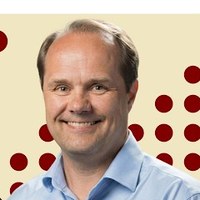
The $1.6 Trillion Horizontal: How Kloos Frames the Water Sector's Scope
Steve Kloos opens with a framing move that most water investors skip: he insists the sector is horizontal, not vertical. His working definition covers all terrestrial water use, municipal and industrial supply, wastewater, stormwater, flood risk, and even insurance products, while excluding open-ocean applications except where seawater desalination returns water to land use.
The number he anchors to is $1.6 trillion in annual global spending across operational and capital expenditures, which he places at roughly one and a half percent of global GDP. His logic for why that number understates strategic importance borrows directly from energy: "Water pretty much touches everything. So just like energy is really a broad topic, like what's tech for energy? Like it's really, really broad. The same thing is true in water," Kloos said.
This horizontal framing has a practical consequence for how Burnt Island Ventures sources deals. Any sector that touches water is a potential entry point. Food and beverage, commercial real estate, industrial cooling, and insurance underwriting all qualify. The question Kloos applies is whether a startup's technology meaningfully impacts the production, delivery, quality, or risk profile of terrestrial water.
Two Climate Drivers, One Accelerant: Floods and Droughts as Market Signals
Kloos describes climate change as the single accelerant running underneath every sub-sector he invests in, but he is precise about the mechanism. He separates the signal into two distinct pressure tracks rather than treating climate as a single undifferentiated force.
The first track is extreme precipitation. More frequent and more intense rain events are producing uninsured flood losses at a rising rate. Kloos points to the pattern of billion-dollar flood loss events and characterizes the trend as exponential. This creates demand for granular, property-level risk modeling that traditional insurance underwriting cannot supply.
The second track is scarcity. Shifting rainfall patterns are increasing both the frequency and intensity of droughts, which pushes industrial and municipal users toward water recycling, reuse, and desalination as operational necessities rather than optional upgrades.
The portfolio implication is that Burnt Island Ventures looks for companies positioned along both tracks simultaneously, since a technology that addresses only supply or only flood risk captures a fraction of the total pressure the sector is under.
Provisico and the 72-Hour Forecast Model
Kloos offers Provisico as his clearest worked example of how Burnt Island Ventures turns the flood-risk thesis into a portfolio company. Provisico sells 72-hour advance flood forecasting to asset owners. The product combines satellite imagery, hydrological modeling, and local sensors that measure stormwater levels and local absorption capacity.
The value proposition is purely operational. A car dealership can move inventory to higher ground. A manufacturing plant can sandbag or take other mitigation steps. The customer pays a subscription fee and avoids losses that would otherwise be uninsured. "They're crushing it," Kloos said of Provisico's current trajectory.
What makes the Provisico model instructive as a framework is the specificity of its time window. Seventy-two hours is long enough for a customer to act and short enough to be actionable rather than advisory. It is a design constraint that reflects deep understanding of the operational decisions asset owners actually face, not a general aspiration toward better climate data.
Sewer Pipe and Data Centers: Where Aging Infrastructure Meets New Demand
Kloos uses two statistics to anchor the municipal infrastructure side of the thesis. The United States has 800,000 miles of sewer pipe. Europe has 1.5 million miles. Much of both systems was built after World War II. Utilities operating on constrained budgets cannot replace everything, so the investment opportunity lies in inspection and prioritization technology that tells operators where to spend first.
On the industrial side, Kloos points to data centers as the clearest current example of water scarcity meeting market pressure. Hyperscalers are treating their water usage as a license-to-operate issue and pursuing a combination of efficiency improvements, offsets, and replenishment programs. The metric he flags is water utilization efficiency (WUE), which he positions as an emerging peer to power utilization efficiency (PUE), the metric the industry has tracked for years. The implication for investors is that any technology that measurably improves WUE has a ready audience in a capital-rich sector already organized around efficiency metrics.
What Opened the Market: Founder Quality as a Lagging Indicator
Kloos closes his market framing with an observation about what actually changed to make Burnt Island Ventures viable. His partner Tom Ferguson ran the Imagine H2O accelerator before starting the fund. Ferguson's thesis for launching the fund was grounded in a specific pattern he observed: the quality of founding entrepreneurs entering the water sector had risen, and that rise tracked the opening of real markets.
This is a useful inversion of the standard venture narrative. The common story is that great founders create markets. Kloos and Ferguson are arguing something closer to the reverse: that market urgency, driven by water security pressures, attracted better founders, and that the improved founder quality was itself a signal that the market had become real.
Kloos reinforces this with his own career arc. He held board chair roles at Current, a Chicago-based water nonprofit, for five years. He stayed adjacent to the water ecosystem through his broader sustainability investing at True North Venture Partners before returning full-time to water at Burnt Island. The decision to return was responsive to what he was observing in the market, not prior to it.
Frameworks from this conversation
- The Horizontal Water Sector Map: Terrestrial Scope as Investment Filter
- Two-Track Climate Accelerant: Flood Intensity vs. Drought Frequency as Separate Market Signals
- The 72-Hour Action Window: Provisico's Operational Specificity Model
- WUE as the Emerging PUE: Data Center Water Efficiency as an Investment Signal
Full transcript Click any timestamp to jump to that moment in the video.
-
Oh, today on the show we have Steve Kloos. Steve is uh one of the people over at Burnt Island Ventures that are helping revolutionary water tech companies uh make it into the world. Uh they are VC investors and Steve has been around the water tech industry for a long time. Uh if you're
-
following along with these episodes, you'll know that I just did a recent series with Clean Tech Group. Um, and Steve is a a good a good friend of the clean tech group. He is full of knowledge of this industry, of the market, of the different companies, uh, where they're going, and it's very
-
inspiring the amount of of energy that he has about the space. It's, uh, it's something I can relate to. So, uh, learned a lot from his personal story and his takes on, uh, what has happened in the water industry and where it's going. Uh, shout out as always to our partners, Clean Tech Growth Lab. If
-
you're looking to grow in clean tech, they are the people to work with. And the producers of this podcast, Craze and Friends. And with that, I give you Steve. Oh, welcome to another episode of The Growth. Shout out to our sponsors.
-
mentioned just before we pressed record, but without them would not be possible to interview awesome people doing awesome things like Steve. Welcome. Thank you so much. Appreciate it. Glad to be here. Thank you. So, like many people listening to this podcast and know me personally know water is a favorite of mine. I dressed
-
color accordingly today. But, uh, we are we are about to witness something great. Steve is a a leading voice in, you know, Steve, you can say whatever you want, but this is this is true. Leading voice everywhere in the industry on water. So, I'm excited to learn a lot about how to think about it.
-
Uh what's happening, where to go for anyone that doesn't know yet, if you give a brief introduction of yourself and what you're building. Yeah, happy to. So, I'm Steve Close. Uh I'm a chemist. I'm from Minnesota originally. Um, and out of graduate school, I was lucky enough to get a job at a company in Minnesota called um,
-
Osmonics that was a manufacturer of systems for using membranes for water treatment as well as for industrial separations. One of their first applications was actually concentrating the the the sugar in sap from maple trees to make maple um, syrup. So that the sugar comes out in the sap. The sugar level in sap is around 2%.
-
Um and if you can concentrate it up to 8% you take out 3/4 of the water and then you can put the 8% over you know sugar solution sap over um over a fire then and burn up it. So you can save a lot of energy. So that was one of the first applications. Then there were mini
-
and then also standard reverse osmosis um applications as well. and the company made membranes and I got hired into the R&D group. We kind of got lucky, got some large federal funding, were able to grow the team. Uh the the company grew and then we got acquired by General Electric and which was pretty cool. So I
-
was working for this small mediumsiz company and then all of a sudden one day I was a GE employee which was pretty cool. And then I got a phone call from my boss um Phil Ro Chico at the time um uh that said hey Steve uh we want you to move to China uh he's got a research
-
center there and so I did that took my family spent three and a half years in China then got back from that then was in advanced technology leader role looking at bringing innovation and new concepts to the business as well as helping to manage the longer range uh R&D programs we had and as part of that
-
I was on the venture capital team at GE which is where I got my first investing experience. Then from there went to Chicago to work for True North Venture Partners as a partner um helping with uh deal sourcing and portfolio company management and then about uh two and a half years ago joined Burnt Island um as
-
a partner. So I've kind of got this hard tech deep science well done water treatment background is um uh that's me. So thank you. Well done. Well, lots of So, some fundamental questions. Do you still process your own maple syrup tend?
-
No. No. No. I enjoy maple syrup, but no. Okay. But membranes are membranes are are used in that though. Um, and not everywhere, but in places. Yes. So, cool. So, yeah, I assume you have a high bar then for the stuff that you do source. So um a after that so it seemed
-
like from your story that uh water kind of it happened to be what happened and it happened to be the momentum you fell. Okay. So was there any point then after you were uh absorbed into the industry where you said wow this is really important cool and I'm very passionate about it. Yeah, I you're
-
exactly right. Initially it was a job you know that I could get which was really important obviously but then water does grow on you. Um and I think you know I felt it when I went to True North Venture Partners it was really fun because it was investing in sustainability broadly. So water but
-
also energy um hydrogen chemicals and fuels waste batteries those sectors and I really loved that really got into it. Um, but then I kind of felt this urging to get back into water. And during that time, I think like I always stayed really I mean water was part of what I was doing the whole time. And I'd stayed
-
close to like accelerators like Imagine H2O um current the Chicago water uh nonprofit. I helped get that going as the initial board chair um for the first five years. I' still stayed on that organization since. So water is kind of something that really grew on me and I saw what was happening in the sector and
-
what Tom Ferguson, my buddy, was doing at at Burnt Island Ventures and I just I did feel a pull to get to to to get back full-time in the water and and join back up with Tom. So yeah, you're right. I'm not sure exactly the moment in time where it really completely hit me, but
-
you know, absolutely um I'm a water guy. So well something one of one of my favorite uh conversations uh so far has been with one of your friends uh John Robinson and it is around the idea of like I've just thought about this a lot since since he said it but what is you know we talked
-
about the water sector water tech water industry like literally I was having you know cuz I was looking forward to this conversation so I was explaining it to one of my roommates and they said what do you mean water tech you know and so so for you, you know, being in the in the space for so long,
-
what is it? How can we understand it? Yeah. And and John is great. And John does a a great job with water. He'll say, "Okay, so you're in the commercial real estate business." Well, you're also in the water business because there's a lot of water that's used in commercial buildings. Larger buildings are now
-
recycling their gray water. The the irrigation, he'll say, "Oh, you're in um you're in the beverage, but you're in the water business. You're in oh, you're in the food. Oh, you're in the water business." Those are all water businesses. So for the way we think about it is um when we say like water
-
tech that we invest we invest in in in in tech for the for the water sector overall. So water is um really important society. It's it's the global water sector is about 1.6 trillion a year in our math. Other people's bottomup math is comes along similar. That's a overall opex and capex total annual spend across
-
you know municipal industrial you know commercial consumer in the water sector but more importantly than that kind of $ 1.6 six trillion dollar year which is about one and a half percent of global GDP is that water is a really important sector horizontal kind of think of it like energy is really important but
-
energy you need energy kind of to to drive economy and society same thing with water water is used really I mean obviously we need it for life we talked about food and beverage but so many industrial sectors need water as an input or as a cooling fluid or some part of their process so water pretty much
-
touches everything. So just like in energy is really a broad topic like what's tech for energy like it's really really broad right the same thing is true in water. So water tech is tech that somehow impacts water could be software could be a treatment tech um could be you know related to business models to help the
-
delivery and utilization of water. The way we keep it a little bit narrow is the terrestrial water sector, not so much oceans. There are some overlap. Seawater desalination is absolutely in scope because that water's kind of, you know, used more on land. But when we say the water sector, it's that terrestrial sector, all uses for industrial, um,
-
municipal, consumer. Um, we even look at the intersection with insurance like flooding and flood related insuranceances uh, as well. So tech for those things, you know, startups and innovation. Okay. So, so just uh for me for for this uh for the for this map of of water. So you laid out some really interesting uh
-
sectors. So you said for you guys uh you you you tend to stick in the terrestrial right realm and uh terrestrial. So so then underneath this terrestrial realm of what water means there it breaks out into different subsections that you just spoke to. So one of them is uh risk assessment for insurance.
-
Yeah. Right. Um so the majority of flood related losses are not insured and we're seeing like an accelerant for every you know everything in the water sector and the for water tech one accelerant is climate change. climate change is resulting in a lot more extreme rain events. And you can just map out and
-
people have and we know where the puck is going that as the CO2 equivalent emissions continue to go up there's going to be a higher frequency of extreme rain events and the average intensity of each of those extreme rain events is going to be increasing as well. And so this means there's going to
-
be more floods and flood related losses which is you know really negative and and first street and others have mapped this out the number of billion dollar losses it's just been rising exponential and it's not stopping. So then people are looking at how can we be more precise with understanding very granular property level specific
-
um underwriting for insurance because majority of losses are uninsured or there's large infrastructure projects where now flooding is maybe impacting them. How can we get some sort of an insurance product on that? One of our companies, Provisico, um does per uh does uh this 72-hour flood um forecasting. So, let's say you're an asset owner and just a simple
-
but let's say that you're a car dealership and you've got all these cars on a lot or let's say you're a manufacturing plant that is susceptible potentially to flooding. you pay per visiico uh a small fee and they will tell you 722 hours ahead of time if you need to move those cars off a lot to
-
higher elevation if you need to take some mitigation measure maybe it's sandbagging maybe it's something else for that manufacturing facility. So, it's it's it's satellite imagery. It's a lot of precise modeling. It's even some sensors to look at what is the level of storm water and the the ability of that local area to absorb that rainfall
-
versus just have it all of a sudden rise up. So, the now Provisico is doing really well. They're crushing it, but that is yes an area that we do it best in. So, would you would you say you mentioned sensors would sensors be another subsector under this? Uh for sure. Yep. Technologies.
-
Yep. Uh and like and that now starts to get into storm water overall which is an area that we've been looking at. Um so you know needs to be managed too. Yeah. Go ahead. Yeah. Sorry. Ju just to just because you rattled them off the beginning and I just I just wanted to write them down.
-
So um so under this terrestrial like umbrella umbrella l we have uh we have risk insurance you know we have the sensing tech. Are there any other subsections? Yeah sure. So I mean just broadly municipal and a municipal there's two sides of municipal really there's there's the water supply that you know the drinking water supply or the you
-
know supplying water and then there's the wastewater side. Both of those are, you know, on the drinking water side that now this is where scarcity gets into because the other side of climate change, not just floods, it's that there's more um more droughts and each the the the intensity of droughts is increasing and the frequency is
-
increasing too because rainfall patterns are shifting and so now um going to water recycling, water reuse, desalination are really important tools. So then on the on the wastewater side um wastewater infrastructure and infrastructure overall for municipalities is generally aged in the US and Europe like in the US there's 800,000 miles of sewer pipe in Europe
-
there's 1 and a half million miles of sewer pipe a lot of it was built after World War II so how can you inspect that pipe because it's in terrible shape but like and utilities have got limited budgets so how can they best apply those budgets inspecting and then repairing as pipes is kind of a big thing. Another
-
sector is um industrial like industrial uses of water which is you know huge um and as water gets more scarce and as as water rates rise industry then is obviously motivated to be uh more efficient with their water use and and that would that would uh uh recency bias I guess but uh something an
-
example of that would be like cooling of data centers cooling of Absolutely. Yep. Data center water use is a is is a big issue and data centers and the hyperscalers are finding it a license to operate that they have to really look at their overall water usage and try to get to be sort of you know net impact net
-
zero on their water use. So they're looking at water benefits, water offsets, replenishment programs as well as just being much more efficient in the data centers. And at data centers, it's usually power utilization efficiency, PUE, that's really important metric.
-
Well, now WE utilization efficiency is a really key metric. Absolutely. Awesome. Well, um this is this is cool. I think this maps out a lot of what we can dive into in more specifics, but uh to add context to that conversation, to step back a little bit.
-
Yeah. Um you so you've been operating uh from an investment perspective for a number of years. You're involved with Imagine H2O. Uh you're involved with Current like you're saying. So like on a on a in a bigger picture, what do you see this industry needing?
-
What are the things that it lacks as far as supporting its entrepreneurs? Is there anything specific to the water sector or is it something that's uh more common in maybe hard techch or or deep tech or something as a whole?
-
Yeah, water has done I think a really pretty good job of building up this support ecosystem and and water is a neat little community of its own where people know each other generally. It's a a a generally a helpful collaborative environment for the most part. Overall, imagination tool has played a a huge
-
role in you know the startup ecosystem. It really does take a village. Yes, it takes great founders and entrepreneurs to get it done, but that support ecosystem like you know piloting programs or pilot assistant you know more demonstration pilot assistance programs and then you know more uh accelerators. So the world economic forum has uplink we're involved with
-
that there that's you know a great program also that you know for early stage companies to plug into. I think the biggest kind of support system that has really been needed that is there now is frankly that the dynamics and the needs for in water are just showing that um we're at a point of urgency of water
-
security that solutions are needed and this is creating the the market demand the market pull and that's frankly why Tom Ferguson started Burnt Island Ventures. He'd been running the Imagine H2O accelerator and he saw something happen. He saw that the quality of the founding entrepreneur was getting higher which was also related to that the
-
markets were now starting to open and that the sleepy water sector where you know water's always undervalued. It's underpriced. There's no market takes forever. Some of those things were starting to change. Some of these companies were getting traction which then you know also led to more high quality founders coming in. And so Tom
-
saw that there was a gap in the market where these early stage you know most promising water startups needed to get funded and there was no dedicated VC. So that's why he formed Burnt Island Ventures to do that. And then now 5 years later with Christine Bole and myself joining Tom and then you know
-
with more full staff with with Jenny Marissa and Jessica and a and a fuller team we've now just launched a growth fund an early growth fund because you know these companies that were Now they're emerging at this growth stage here. So I think the biggest acceler that the biggest thing that's been needed is really for the dynamics
-
in water to open up to make room for water tech and and what what you know tech does like it does in so many other sectors. It just allows you to do so much more quickly with kind of more of a limited spend because these are improved solutions for getting things done and
-
we're seeing demand and pull for it. Um, so that was that that was another thing that I was curious about is what ha and and you spoke to it there just in the last five years this difference between a sleepy water sector versus an active one interest in it things like this what
-
has uh you know to whatever direction you want to take it what has the history of water water sector water industry uh water tech what has the history of it been in this country or uh elsewhere you know overall it's been I think pretty good um uh you know we've had um I mean there was an office of saline
-
water and John F. Kennedy talking about, you know, if we could just do seawater desalination and his vision and that actually was a huge accelerant from from him. And then we had the Clean Water Act, you know, the Kayhuga River caught on fire and, you know, really deciding that we needed to be, you know, good
-
about um the environment and discharges and protecting our our water sources. Those were kind of huge. Now, in general, when water was mostly in balance and and fresh water was available and mostly in decent shape and, you know, cities and industry could take from it and use it, water was cheap. The the need for much additional
-
tech beyond what was in existence kind of wasn't, you know, that necessary. Okay, we're just seeing now I think with climate as an accelerant you know continued population growth this many more years on this infrastructure the pipes and treatment plants are this much more you know older and the civil engineering grade on those is like a DD
-
minus um and now we've got the rising industrial demands of all this new economy stuff like you said AI data centers but in those data centers are all these chips that need to get manufactured and they need a lot of water wash those and as the chips get you have to have, you know, thinner lines on
-
them, the the the the quality water is even that much incrementally higher in order to get good yields. And then all the metals and mining that we have right now and that utilize a water water related process, lithium and so on, it's just got this perfect storm of all these things kind of moving that are now
-
causing the sector to really wake up and and the demand for you know new solutions and tech be there. So, so another thing as far as far as the story uh of of water and the history of it and all these demand drivers that you're exper that that you're explaining, um I I had some
-
really awesome and interesting conversations with researchers from this group uh clean tech group and they had they had released Yeah. So, they had released their annual report. I loved it. I got to talk to them about it and uh in I had uh there were two conversations one about uh mining and metals and uh one about um uh renewables
-
in general and both of them it was specifically interesting something I was not aware of was the history of uh procurement in in these rare earth uh um or sorry processing after they've been mined and they were all sent to China grew this you know huge uh hold on the supply chain and now the world is
-
dealing with the state of of metals and all this demand that you're saying for these um these different metals and things. So it's really interesting to learn about uh the narrative of China in the histories of those sectors is what what is China's relationship to this this water industry this water sector you know is there a similar relationship
-
that it has with somehow there's some kind of you know grip on a supply chain or some type of large influence or they've deployed water tech in a in a way that's uh that that's really interesting or specific you know what what role does China play in this China you know I lived in China for
-
three and a half years in Shanghai from end of05 to middle of09 and you know love the country. Um had a great experience there. China at that time was still a little bit early in water related tech. When I was there the holo fiber membranes reverse osmosis membranes companies were you know beginning to scale up. I think right now
-
those those in inside of China there's some really great companies and China's done I think a really nice job of advancing its infrastructure in water and bringing much more you know sanitary like you know wastewater treatment process across the country you mean yeah absolutely and even improving on the industrial side which is you know at times is really difficult
-
because like if you're a stateowned enterprise it's kind of hard for the government to come and define you because you're sort of finding yourself as you know an enterprise right whereas the foreign companies like when we were there we're just held to the highest standards but the local ones they employ a lot of people so there's a delicacy
-
over you know how you know strictly they're enforced but I think some of that's been changing what we haven't seen so much we've seen a little bit is where China is exporting you know their tech and their their um you know companies and their innovations uh elsewhere where outside of the world, some in, you know, elsewhere in Asia for
-
sure, but we're seeing less of it in uh North America. There's been talk of the reverse osmosis membrane companies of which are, you know, dominated by the US and Japanese that the Chinese membranes are actually starting to get good enough that they're maybe going to begin to compete in, you know, more global
-
settings and they're really inexpensive and you know what's going to happen there. So, um, so far, you know, China's been still a little bit contained its impact inside of China, but I think that's probably going to be, you know, changing.
-
Cool. So, yeah, it sounds like there's a lot of activity, a lot of history, a lot of uh of movement and support in the US. Is there anywhere else that has been any other? Well, I mean, Europe is a is is a huge leader in in water water tech. You know, look at the Netherlands. They're kind of
-
mostly below sea level and, you know, the water management. They have outstanding universities. They've got um um an organization called wetsys that is kind of a a place where a bunch of you know PhDs can go and get their their their degrees but then also associated with it is water campus that's really
-
pulling these um tech into startups and a really robust um environment there. UK is really strong and you know Germany and France and so many places across Europe. Australia has been really strong that Israel is really been great on water tech out of necessity. You know, mother, you know, necessity is the mother of invention and Israel has had
-
to make the desert bloom. It's had to grow its, you know, food. The water recycling in Israel is about 90% almost 90% of its waters recycled. The country is now almost completely uh using seawater desalination. It used to be taking taking water from the Sea of Galilee as part of its freshwater supply, but now it's actually reversed
-
the pumps and they're taking seawater, desalinated sea water, and they're refilling up the Sea of Galilee. It's like a crazy story. And then another one is in Singapore. Singapore out of its own national security has had to find a way to get water independence from Malaysia. It's it's part of a core founding principle of the country from
-
when it was formed with Lee Lee Kwanu and they've done an outstanding job of their four taps. One of which is Malaysia, but it's also of of building in catchments so the rainwater does not just you know fall it they can keep it but then um uh water reuse and seawater desalination they're an absolute
-
tremendous user. So these are like the hubs of innovation around the world where there's you know disproportionate and Canada's been great um really strong in in water and water tech as well. Do you see uh and it's okay if this if this too broad of a question for there to be an answer. Do you see most of the
-
the innovation being driven by public interest or private interest? Because in a place like Singapore if it's national security it seems like a lot of it would come from government spending versus uh private investment. You know that's a really really good question. Um I think initially mo much of it is from the municipal sector but what tends to
-
happen is a company will think of you know it'll it'll come across a large municipal need but then they discover that their go to market strategy might actually be fastest if they address an industrial problem first. So yes, both.
-
I'd say just thinking about it here without checking our CRM, I think probably municipal is often initial focus maybe slightly more than industrial or but people often find going to industry is a little bit faster in and getting your beach head than not always not always.
-
Cool. Well, I mean that that that I think touches on another question. Not again this just like from what we're talking about but like the utility of a lot of a lot of water tech is is hard tech and it's deep tech and it's physical. So when when we're talking about time scales like this we're
-
talking about research and we're talking about you know time to return on investment. How how does how does VC as a as an investment vehicle versus other different types of financing? How does that how does that fit with water technology?
-
I think in the past it's been a little bit more challenging, but now with the dynamics I think it's uh it's a very viable and reasonable proposition for a water VC to be able to deliver really strong cash and cash returns and I think we're we're showing and others are that you can make money in water VC that
-
there are really compelling companies out there. Last year we evaluated Burn Island ventures we evaluated in 2025 730 water related startups and we actually feel that there's more supply of really strong startups to invest in than what you know we're able to do. So we're you know we're sort of cherrypicking you know the best of the best. We still have
-
ways to go like we've got to complete a fund return all the capital but you know in you know multiples of that back to our LPS but so far on paper I think we're I think it the story is there that yes like there is money to be made in water and and
-
it's it's it's a comparison of like what is the entry pricing when we you buy shares in a company what's the valuation of the company and then when it goes to exit what's the what's the valuation of that and right now like valuations are still generally speaking reasonable. Yeah.
-
And we're seeing more and more heating on the exit side. Last year there was either seven or eight billion dollar M&A deals in the water sector. We predicted three there would be three at the beginning of last year and there was a lot more than that. The uh interest in the strategic incumbents other large
-
corporates that are looking at getting in water as well as private equity in infrastructure firms that are saying oo this is a really because they see the same same dynamics that we're talking about. So, the exit markets are really there. Um, we wrote a blog piece why you really shouldn't worry about uh a few
-
months ago why you really shouldn't worry about the exit market in water. So it's a high a really strong pool of of innovators that are coming up with the needed solutions that are being able to get in the market on some reasonable time scale and get traction and be able to m you know migrate that allows them
-
to get on their gen 2, their gen 3 solution to reduce the cost which allows them to get into the next market segments and you have those reference cases provide the you know the the fuel, the word of mouth and the validation they need to be able to get those next customers.
-
And yeah, it it is happening. So, so do you, so do you see then out of with with all that research and the activity uh and and the companies that are being successful in this space, do you see that there's a particular uh type of business model or something that creates an environment for a
-
founder in Watertech where VC makes sense uh makes most sense or something that they should spend time doing relative to other, you know, financial vehicles? There's not a specific sector. We've been successful with some um software companies um like you know I I mentioned Pervisico uh sewer AI is for um AI inspection of of of sewer pipes for
-
municipality to be able to inspect way more pipe than they would with manual inspection to let the the AI do the video take the video and process it and be able to say where the best use of the maintenance budget is on on what section of pipes that need it the most or
-
company Doppler is just absolutely crushing it and they're completely software for emergency response. I should say both Doppler and SU AI their sell they sell the utilities which you would think you know municipalities would be really really slow their sales cycles are incredibly short their their growth rates are really are really high
-
now on the on the treatment side we've got really strong companies in the treatment side has been a darling they're doing fantastic and then what we really like Blake is when when founding entrepreneurs come to us that have seen some problem they've lived it they have incredible founder market it because they've seen that problem. They come to
-
us with like Beagle Services is a plumbing company. They're absolutely crushing it. Um, Enline is and Energy is one of our companies with a a pressure turbine to capture energy from the pressure stepped down in boilers from the pressure in the boiler to the pressure of the steam that's needed for use. They just capture that energy that
-
would typically be lost in the step down valve. Their step down belunds of kilowatts of electricity which is fantastic. We have a wide sort of eclectic range of portfolio companies. They're not just all treatment for municipal wastewater or something like that. They're they're they're really interesting portfolio, a nice um construction of companies addressing
-
different pain points across the sector with founders that have seen some problem and have this incredible solution that just makes sense. Okay. So, so, so this is across software, hardware at different levels of banks. Absolutely. Yep. Interesting. That's right. So, okay. So, then, so then outside of, so then outside of that, um, what else is,
-
I mean, you talked about, um, you know, founder market fit outside of, uh, the different types of expertise, what else in your mind goes into a company being a like a strong candidate for success? The two things that we really judge in their initial appraisal of companies is founder market fit. You know why them?
-
Does this make sense? Would they why do they have such insights? And then number two is another kind of soft one is entrepreneurial process. So if we're going to write a check into a company, we want to see that how they are managing their business, how they're thinking about it, their intellectual honesty, that what they're worried
-
about, where where they're putting their activities, how they're preparing the company, that their entrepreneurial process is sound and solid because we're not our check is just once we write a check, it's already in the past. were really can these guys hit the the funding milestones of this round and then the next can they advance this
-
company on the trajectory to achieve its potential or not. And so we're looking for those entrepreneurial breadcrumbs to show they've done a great job so far that there's reason to underwrite them to be able to do a great job going forward.
-
So so then so then a a lot of it comes down to the founder founder team the the individual. Absolutely. Absolutely. Especially in the early stage when you don't have so much market traction to go off for a growth fund when we invest out of the growth fund stage you've got revenue you've got some track record you you can
-
see you kind of what they've done and it's it can be a little bit more numbers based it's numbers based in the seed fund in the early stage too we do financial modeling and multi scenarios and we do all that too but the first screen is really that entrepreneurial process how they've done
-
in the growth fund when we get there we've been able to track these companies these teams for some period of time. We we know who the best is best, the cream the crop is. Cool. Cool. So, I have So, okay, back to what we mapped out before. So, I have this little uh terrestrial umbrella
-
and uh I have uh municipal sensing technology, industrial water use risk insurance. What is a particular uh favorite? And you know you can choose arbitrarily you know no no pressure but uh is there anything specifically interesting as far as the market goes whether you guys are invested in it or not as uh in in this uh terrestrial
-
umbrella of water tech you know one um that that that just it's a recency bias and I'll give you one uh we've got a company called Aquisense and Aquense um is UV treatment um of of water which is about a2 billion dollar a year sector inside of something 30 some billion dollar or so disinfection market
-
that's dominated by chlorine but you've also got UV and ozone so UV is about $2 billion a year it's really important UV treatment today is done with mercury bulbs so these these quartz tubes with mercury in it mercury mercury and mercury is like it's toxic it's a neurotoxin and it's on a path to getting
-
banned our company Aquisense that we're we're so thrilled to be in they're doing great they are using UV so LED bulbs that put out UVC the the right wavelength of of light but with LED bulbs 5 10 years ago these bulbs were inefficient um you know too costly um but the company started and they started in some
-
niche markets they've now sold over 500,000 devices and most of them in small scale but now they're scaling up the large scale and in in in the LED tech for UV is something called Hates's law. It's just like Moore's law in semicer chips that just says there's going to be a steady march of improvement. So
-
efficiency is going to improve, the light output's going to go up, and then costs are going to drop. And right now law for for light bulbs, you said or h a tz hat's law is the same thing as like Moore's law is. And so you just look at this and we know where the
-
puck is going and their tech is already competitive with medium pressure systems today for the large scale and just around the corner it's going to be for the low pressure the really inexpensive mercury bulbs and then there's something called a minimana convention which is a global convention that is going to lead to a ban on mercury. You can look it up.
-
And then there's customers that are saying, "Why should I buy a conventional mercury bulb system when on a 20-year depreciation cycle when it could be banned and maybe I can't even buy the replacement bulbs anymore?" Plus, like it these are just like if you go into a gym and you turn on the old mercury
-
bulbs, it takes 10 to 15. It's the same to to warm up. It's the same thing with UV. They're not instant LED tech. Instant on. You turn on, boom, it's on. It's much more compact because you can get much more dosage of light in a shorter. So the pipes and the the device
-
are small. It's just like you see where the puck is going. You know what's going to happen? We already see it. The company had a great year last year. It's like wow, isn't that a cool one? So is is this is this something that is uh where as as far as going to market,
-
this is municipal or or industrial? telling me how do you choose like how do you choose where to where to where to apply your energy with with a solution like that? So well that's for the management team you know we don't we it's not up for us to run the company but they started
-
initially with the small scale devices small scale tech like for ice machines or beverage machines and then they got into some larger ones for pools and then they've been beginning to sell into municipal systems and into industrial. So it's part of that plotting out the go to market strategy which is a blend of
-
what's the capabilities in the company and and what what's reasonably somewhat easy to do with where the tech and the product and the cost is today relative to markets that are going to be somewhat quickly adopting and you pull together a market migration strategy and at the beginning it's all about getting adoption and reference cases. It's not
-
you know it doesn't really matter what the market size is. You can only make so much product anyways. Who cares if it's you know 20 million or two billion? it doesn't matter where you practice. You just need reference cases. So that's the part of the company what the company's done a really nice job of of playing
-
that market migration strategy and now AT's law has improved. They've got reference cases now they can go to these next applications. So yeah kind of fun. Has there has there been any um you know again whether whether you've invested in it or not has there been a company or a series of companies or space that got a lot of
-
hype uh and and did not perform the way that everyone expected them to that taught you about how this industry works. Something that comes to mind as of recent is uh like carbon capture or carbon voluntary carbon market facing a lot of you know um uh hardships. Um, so yeah, has there anything has anything
-
like that happened in the water industry? I I'd say on both of the uh uh the the carbon I'll give you example there in a quick one on POS PFAS which are the forever chemicals. So we invest in a company clarity which is a great company but the POS markets have been slow to
-
develop you know when the the US EPA put regulations in place and so did the EU and I think a lot of people felt like instantaneously overnight this massive market is going to just blow up and there's going to be this huge demand but you find it it's it's actually more pragmatic and actually some solutions
-
like activated carbon can work and so for these destruction technologies where are they best positioned sometimes it's actually in industrial or other segments to begin with. So I think POS has been an area where there has been a little bit of overhype to it. Kind of for those of us in the water sector reminds us of
-
ballast water when when that was overhyped. And then on the carbon capture we have a really interesting company aquatic labs that has a chipbased sensor for pH and alkalinity sensing. So reagent free and it's a gap in the market. There's no reagentfree sensing of alkalinity on the market.
-
It's it's reagent free. I mean, no chemicals are needed. It's not like you put in a pheninoalene indicator and it changes color or some sort of a titration type process like typically for alkalinity. This is just it's on a chip and you and put water over the chip and it continuously tells you what the
-
alkalinity is. But initially aquatic labs and the founder is a really incredible MIT woods hole professor, fantastic, brilliant person. He's he was passionate about using that chip for MRV, measurement, reporting, and verification of oceanbased carbon dioxide removal. Okay.
-
And what he's found is that that market is slow to develop. No surprise, especially with, you know, political changes. Mhm. Um but what he's found is that alkalinity measurement, alkalinity plus pH, but really alkalinity measurement is the missing piece in being able to online reagent-free simply measure uh something called the uh lang uh the LSI
-
is um an index that's really important in uh pool water chemistry treatment as well as cooling tower treatment. And so now that is their first go to market and it's the same general tech and he's got a whole road map of what can be done over time. Yeah. As well. But that's an
-
area where the company quickly pivoted and I got to hand it to my partner Christine um who's the lead on that company works really closely with Allen and Allen and his team for being able to make that pivot so well. So is there anything is there anything uh in your mind hot take
-
uh that is getting a lot of attention or hype at the moment that potentially you know could end up in the same way as these markets. Um you know I I mentioned PIA a little bit of a but that that market is starting to come around I think. Um I nothing else comes to mind right now.
-
There's a lot of need and opportunity in in water. Um I can give you a couple other portfolio companies examples of some cool ones if you'd like. But no, do it. Let's get in. Yeah. So talking about water and water scarcity since that's a big one. I'll give you two examples just quickly. We
-
we have one really interesting company got a ton of press recently. Seawater desalination but done completely different. So instead of having the seawater desalination system on land which is you know the way it's done today and a landbased del system you've got to pull the water from the ocean and where you pull from it can be really
-
regulated you know to minimize marine life. It could be extremely expensive just to pull that water in from the ocean. And then that water is treated, you know, to remove just, you know, floaters and stuff from it. That's actually use a lot of chemicals, a lot of treatment to make it more crystal clean. And then
-
that water is pressurized and goes through a reverse osmosis system of which only about 40% of that pressurized water is converted into pure water. The other 60% you try to recover some of that, you know, water from it. And then you you put that enhanced extra brine, you know, high strength brine back in
-
the ocean with those cleaning chemicals in it. Not the best. It used a lot of land. Turns out if you take a seawater desalination system and if you put it offshore about 500 m deep in the ocean at that depth in the ocean, the natural pressure at that depth is enough to overcome the the be the static pressure
-
for to drive reverse osmosis. So all you need is a suction pump on the permeate site. So that suction pump is your high-pressure pump then, but it is only high pressure on the one volume of water that's being purified. Whereas on land, it's 2 and a half times the volume of water that goes through the
-
high-pressure pump because it's only 40% that's um purified. But in subc so it's much less high pressure pumping. Also at depth the water is almost pristine. So once you get below about 120 150 meters depending where you're at you get in the aphotic region where sun really can't get to the particulate level is really
-
low. The chlorophyll content is really low. Marine life is very low there. So the amount of pre-treatment you need is really minimized. It turns out if you put a seawater exalination system on the on the ocean floor, it's actually a simpler system and it's about in the aggregate all things uh you know added
-
in about 40% lower energy and it's cheaper water for the scale of system than it would be if you did it on land. A better way where are they looking to to deploy that at the moment? So uh the company company we invested in is based in Norway. It's a bunch of uh
-
uh people that were in the that are from the heritage oil and gas industry, the subc oil and gas industry. Yeah, these these these guys know subc really well. And the first installation we are building on balance sheet. I can say we were an investor. I'm on the board of this company. It's called Slloian.
-
It uh we're building right now the world's first commercial subseal desalination plant. It's it's a modest size. It's a million liters a day, which sounds like a lot, but isn't that much. um u going at uh at a at an industrial base that's the largest in Norway and then we've got the company's got a
-
pipeline of projects um from that um that this world's first demonstration plant will start up in Q2 of this year. So it's exciting. Oh, Q2. That's another one of our companies, Aqua Membranes, has has has made like the reverse osmosis module that would go in the Floion system, you know, $5 billion a year market. DAL is like 20 billion
-
that the five, you know, these membrane modules go into. They've got the first real change in the design of the reverse osmosis module in like 65 years really. And where they at? The um company is uh initially in uh Albuquerque, New Mexico, but uh just commissioned its um nice manufacturing plant in Knoxville,
-
Tennessee. And so it's a it's a it's a dramatic improvement in the performance of the reverse osmosis module without an added cost penalty that's just like better in every way without an understandable downside to it. If somebody knows the downside, please tell me.
-
No. Um, so it's just it's really interesting these ideas that people can come up with and it's like it's like the guy that ran the patent office in the you know 1800s said well you know there's no you know everything's been invented there's no need for anymore.
-
It's like we cannot conceive of what people might invent in the future. And that is the beautiful thing like then the the need is there and that's why this founder market fit people that live a problem they go aha you know what about this for a concept and we're seeing that as water starts to wake up
-
as a sector the demand is there we're seeing these entrepreneurs come up with these you know fantastic ideas that can be the solutions that we need well so for you and it's inspiring how much energy you know there there is when you when you talk about these things so uh so I really appreciate that for you
-
when you're doing this work and you're seeing all this opportunity. You talk to these founders. What is the biggest hurdle for that that you experience uh either at Burnt Island or you know you can speak on elsewhere and how is it also an opportunity?
-
Well, I make you know everything I'm saying here. I don't mean to make it seem like everything's a straight easy smooth lineup, you know. Um there are always challenges with these companies. Um always challenges that we're dealing with. Things, you know, typically don't go to plan. U we do have some positives. One of our
-
companies absolutely surprised us last year by being ebida positive that we couldn't believe it was an absolute surprise. So sometimes you get positive surprise, not just negative. But I I think it's it's just being honest about what the issues and problems are, always facing them headon, recognizing and just immediately addressing them and getting down to
-
business and and and attempting to solve those issues and dealing with them immediately. nothing goes smooth with these companies. Um it's still a lot of hard work, a lot of hard yards, which hence, you know, our reason for really looking at that entrepreneurial plow rests and the founders and the and the teams to be able to have the grit,
-
determination, the skills and the abilities to, you know, overcome problems and be able to advance companies forward. Competitive tensions. I competitive is really really hard, you know, to make money and be successful. It really is. So, so, so, so you're saying, you know, a hurdle there, there's there's new hurdles every day.
-
It's just But that, but there's also simultaneously. Yeah. I mean, the fundraising environment has been really poor. There's just like investor capital to invest in startups is really poor. It's really fundraising is really hard for our portfolio companies, as is for, you know, most of them out there. Um, so we spend a lot of time making
-
introductions, um, holding webinars to make sure that people are aware of who our our companies are. We work with them on their slide deck, their messaging. Um, you know, it's, yeah, there's just challenges all over. Well, lastly, Steve, uh, it's, uh, it's not hard to see that this space energizes you, but my question is, with
-
all this work to be done, what inspires you? I think I am most inspired by these um, people that are on the front lines of trying to bring their innovative ideas forward. As my partner Christine said, um, at an event we had here in Colorado in December, these founders are getting punched in the face from customers and
-
then they turn around and they pitch to investors and they get punched in the face from investors and they just keep at it. And that grit, that resiliency, that determination, it's really inspiring. And sometimes, you know, we we say no no 99% of the time to these founders and we, you know, we can get
-
sort of a shark tank idea where, you know, like we know it's no, these founders and entrepreneurs are our heroes. These are the ones in the front lines that are bringing us the the needed innovations that are making it happen. And that all the innovation champions and anybody that's really kind of digging in and being sincere with
-
whatever job it's corporate or utility, these honest good people that are putting in the good fight to make things better for us overall. That's really inspiring. Nice. Yes. Let's keep it going. Well, thank you for being a resource for them, Steve.
-
Thanks for having me. You bet. No, this is super cool. I appreciate if anyone else was was inspired to follow along or get in touch, what's the best way to do so? Um, reach out to me, steve burnentventures.com or on LinkedIn, Steve close. Um, yeah, happy to hear from you. Thank you.
-
Cool. Do it. Well, Steve, thank you and uh I'm excited for the next one. I'm leaving with more questions than I had at the beginning, which is a good thing. So, uh, thank you very much. You've been great.
-
Appreciate it.


